
 EN
EN


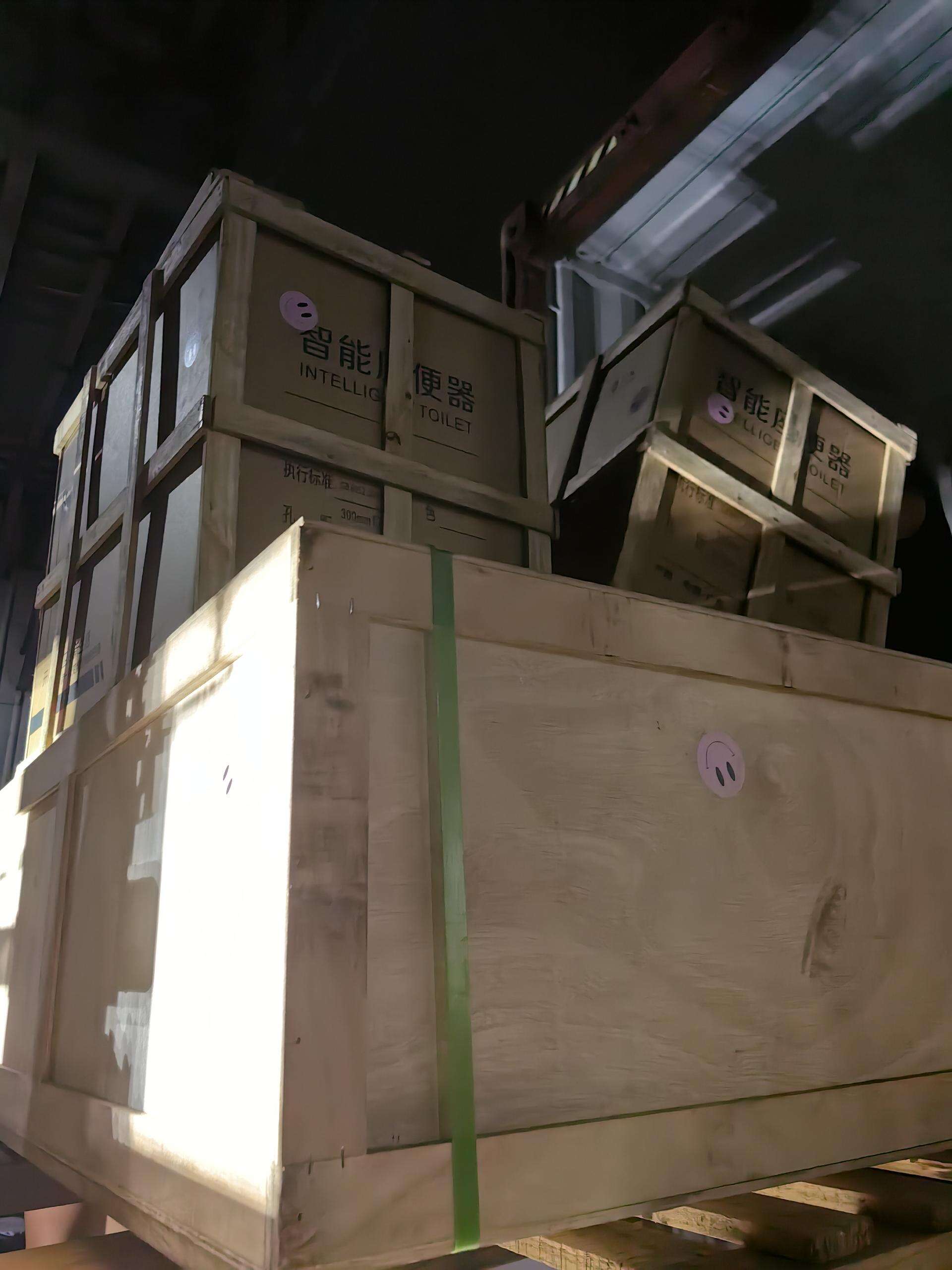
Fretum aeris commercium globale revolutionavit, quod est celerissimum et fidissimum vecturae genus pro mercibus pretiosissimis et tempore urgente per continentes transmittendis. Contra alia vecturae genera, fretum aeris combinat praescripta securitatis provecta cum processibus operativis expeditis, ut certum fiat merces integrae et ad tempus ad destinata loca pervenirent. Hoc vecturae genus iam indispensabile factum est industriae quae expediuntur celerem distributionem componentium criticorum, rerum periturarum et subsidiorum in casu necessitatis.
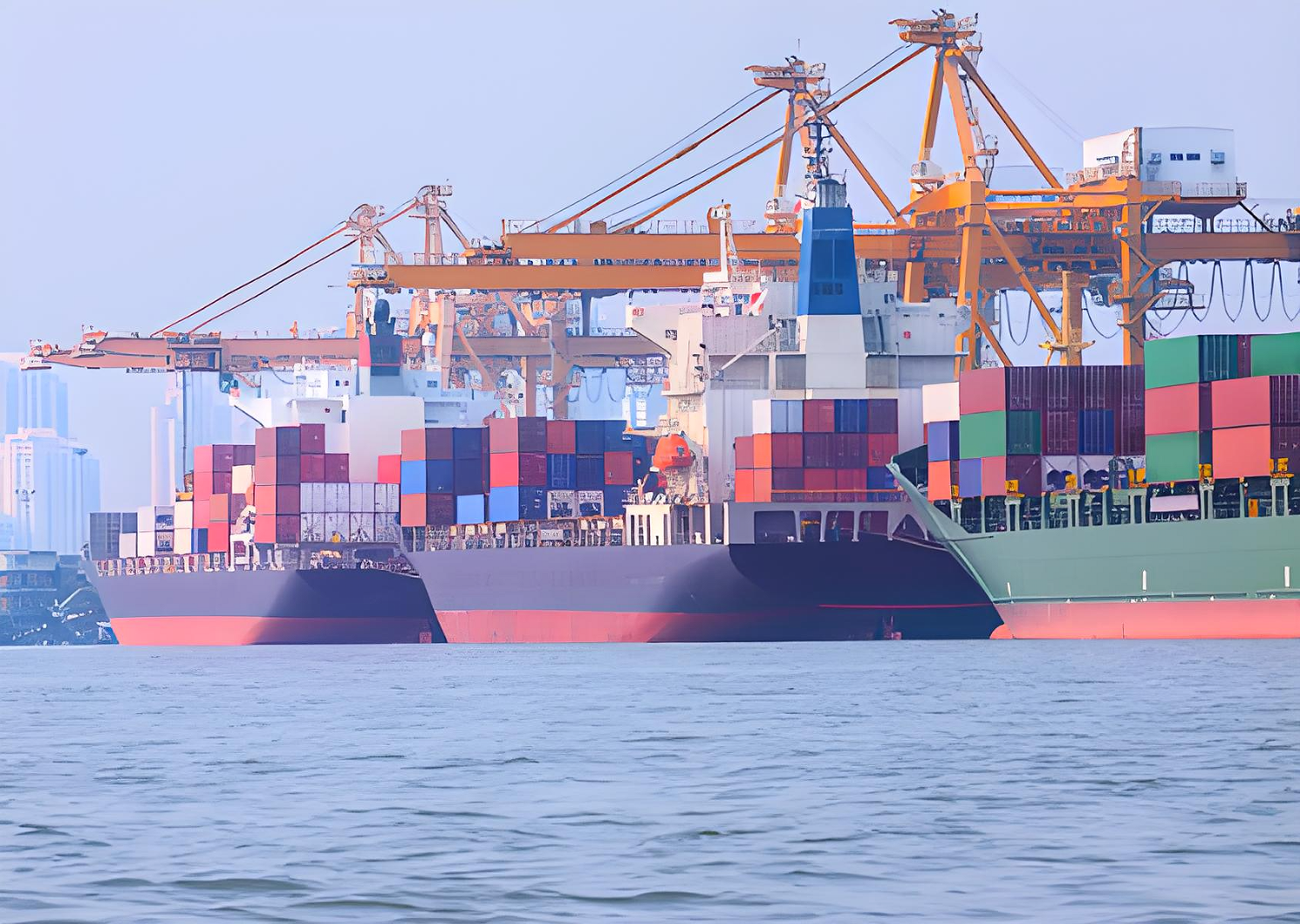
Efficientia aeris commeatus ad tutum et efficax globale commeatum procurandum ex eius singulari structura operativa oritur, quae systemata persequendi subtilissima, severissima praesidia, et optima rete logistica complectitur. Modernae aeris commeatus operationes technologiam novissimam et probata internationales normas utuntur ad tempus transitus minuendum dum tutela mercium maximitur. Intellectus quo aeris commeatus haec duo obiecta consequatur ex examinatione specificorum instrumentorum et processuum pendet, qui hanc criticam viam transportandi sustinent.
Praesidia Profecta in Operationibus Aeris Commeatus
Systemata Multiplicis Examinis Mercium
Securitas per aerem mercium inchoat a perquisitionibus onerum explexis, quae plures technologias detegendi simul utuntur. Haec systemata radiographiam, apparatus ad detegendos explosivos, et protocolla inspectionis physicae adhibent, ut minae potestales ante ingressum onerum in catenam subministrandi aerovia recognoscantur. Personale securitatis, quod in agnoscendo minis institutum est, omnia onera secundum normas internationales securitatis aeroviarum inspicit, ut solum onus probatum ad loca onerandi aeroplanorum procedat.
Processus perquisitionis methodos aestimationis periculi complectitur, quae onera secundum gradus periculi securitatis classificant. Onera altae periculositatis perquisitiones augendas subeunt, quae revisionem exactam documentorum, verificationem navicularii, et inspectionem physicam additam includunt. Haec structura stratificata certam facit ut securitas summa in mercibus per aerem servetur, dum milia onerum quotidianis in retibus globalibus tractantur.
Documentatio Series Custodiae
Secura operatio aeris mercium confidit in diligenti documentorum serie de custodia, quae motum merces a loco originationis ad destinatum locum sequitur. Hoc systema documentorum omne punctum transmutationis, personalem manutentionis, et stationem securitatis, quam merces in toto itinere suō attingit, notat. Systemata digitalia secutionis statum merces automātice actualizant, auditūm ininterruptum creantia quod accessum non auctorizātum prohibet et responsabilitātem in omni gradu sēcūritātis confirmat.
Processus seriae de custodia includit procedūrās sigillandī quae manifeste ostendunt conatus ad accessum non auctorizātum. Sigilla securitātis quae in locīs originationis applicāta sunt per totum transitum integra manent, et ruptūra cuiuslibet sigilli protinus prōtocola investigātiōnis incitat. Hoc systema documentōrum completum possibilitātem praebet celeris responsiōnis ad incidentia securitātis et omnibus partibus interessēntibus plēnam perspicuitātem in procedūrīs manutentionis merces praebet.
Loca Merces Aditū Restrictō
Facilitates freti aeris zonas accessus altissime regulatas servat, ubi tantum personae auctorizatae cum idoneis permittendis securitatis manibus merces tractare possunt. Haec loca restricta systemata accessus provecta includunt, ut sunt identificatio biometrica, insignia securitatis cum chippis inclusis, et supervisio video continua. Barrierae physicae et stationes securitatis ingressum non auctorizatum prohibent, dum operae merces legitimae efficiuntur efficaciter.
In his zonis securis, aeris Onus operatores protocollos specificos adhibent ad diversas merces tractandas, inter quas sunt res periculosae, merces pretiosae, et materiae sensibiles. Loca specialia depositi cum regulae climatis et praesidiis securitatis additis merces protegunt quae conditiones speciales tractationis postulant. Haec ambientes regulati merces securas esse et integritatem suam per totum processum freti aeris conservare faciunt.
Mechanismi Efficiendi Operativi
Rete Itinerum Volandi Optimum
Efficientia aeris vehiculorum pendet ex artificiosis algorismis itinerum quae vias volandi optime constituunt secundum volumen mercium, necessitates destinatarum locorum, et cohibitiones operationales. Haec systemata analysant data realia, ut sunt conditio caeli, schemata trafici aeris, et capacitas aeroportuum, ut optima itinera eligantur. Software logisticum peritum calculat optimas configurationes oneris quae usum aeroplanorum maximizant simul tempus transitus pro mercibus temporis sensibilibus minuentes.
Designa rete centrum-radii permittunt vehiculis aeris mercium congerere e pluribus originibus in centralibus facilioribus sortitionis antequam expeditiones ad ultimas destinationes distribuantur. Haec structura retis numerum directorum itinerum minuit dum tempora transitus competitiva manent. Locatio strategica centrorum in locis geographicis praecipuis certam facit ut operationes aeris vehiculorum mercimonia globalia efficaciter servient, dum ad mutabiles necessitates et variationes sazonales adaptantur.
Systemata Pistoria et Communicationis in Tempore Reali
Modernae operationes aeris mercatoriae utuntur integratis systematibus vestigandi quae praebent visibilitatem in tempore reali de statu et loco expeditorum per totum processum transportis. Haec systemata coniungunt technologiam vestigandi per GPS, scansionem codicum barum, et identificandi per frequentionem radioelectricam ut informationem de merce automato actualizent ad singulos punctus tractationis. Clientes statim notificantur de quibusvis moris, mutationibus itineris, aut emendationibus ad liberationem per platformas communicationis automaticas.
Infrastructura vestigandi permittit gestionem proactivam exceptionum quae potestiales moras ante id quod influant in programmatas liberationes detegit. Systemata automatica monitionum personalem operativam de moris quae ex tempestatibus oriuntur, de problematibus mechanicis, aut de difficultatibus in explicatione ad custodiam notificant quae tempus expeditorum afficere possunt. Haec facultas praemonendi cito permittit operatoribus aeris mercatoriae ut plana subsidiaria implementent et perturbationes in catenis supplicationum clientium minuant.
Apparatus Automaticus Tractandi Merces
Terminalia aeris frumentariae utuntur systematibus automatizatis periti ad ordinandum, ondandum et transferendum merces, quae tempus manuum minuunt notabiliter dum accuratiam augent. Systemata convectricia cum technologia scansionis integrata merces automatico dirigunt ad areas opportunas tractationis secundum destinatum locum, gradum praerogativae et necessitates tractationis. Systemata robotica ondandi optimizant utilitatem compartimenti aeroplanorum pro mercibus dum laborem manuum et errores tractationis associatos minuunt.
Haec systemata automata directe interfaciunt cum programmatibus ad gestionem merces ut ordines onerandi distributionem ponderis optime efficiant et expeditam descensum in aeroportibus destinatarum facilitent. Vehicula automata ducta merces inter areas terminalis sine ulla interventu humana transvehunt, periculum damni ex manupulatione minuentes dum velocitates constantes elaborationis serventur. Integratio technologiae automationis per omnes operationes aeris mercatoriae facultates elaborationis per horarum viginti quattuor permittit quae postulantur ad expeditionem globalem per plures zonas temporales.
Qualitas controum et regula compliance
Adhaesio ad Normas Aeronauticas Internationales
Operationes aeris mercatoriae ad normas aeronauticas internationales latissime comprehensas, quas instituerunt organa ut Organizatio Internationalis Aviatica Civilis et Associatio Internationalis Transportus Aerii, conformari debent. Haec normae omnia aspecta tractationis merces regunt, a classificatione rerum periculosis ad praescriptiones impacationis et proceduras documentorum. Observantia harum regularam naviculationes aeris mercatorias ad normas tutelae universalis perducit, simul facilitans processus expeditos aditus ad portus.
Auditūs et certificātiōnēs rēgulārēs verificant ut operātōrēs aeris mercatoriae observantiam retineant erga postulāta regulātōria quae mutantur. Systemata gestiōnis qualitātis metīcūlārēs praestātiōnis, ut rātīō dēlīveriārum ad tempus, postulāta dē damnis, et relātiōnēs dē incidentibus secūritātis, trāciant ut opportūnitātēs meliorandī inveniantur. Hoc modus monitoriī continuī operātiōnēs aeris mercatoriae semper ad normās internationālēs confīrmāre sīve superāre facit, dum ad novās dēvelopmēnta regulātōria adaptantur.
Temperatura et Controlla Environmentalia
Servitia specialia per aera mercium vehendarum praebent exactas regulaciones ambientales pro mercibus quae certas temperaturas, umiditatem, vel conditiones atmosphaericas postulant dum in transitu sunt. Compartmenta mercium temperaturis regendis utuntur systematibus periti climatis quae condiciones constantes per totam operationem volatus servent. Systemata monitoriae in tempore reale parametra ambientalia observant et personalem terrae ad deviationes quascumque monent quae integritatem mercium laedere possint.
Haec facultas regulandi ambientem permittit ut merces aere vehantur, ut pharmaca, exempla biologica, fruges recensae, et alia materialia sensibilia ad temperaturam per spatia globalia transportentur, dum qualitas productorum servatur. Systemata auxiliaria potestatis continuam regulacionem ambientem garantire possunt etiam durante moras in terra vel temporibus maintenance apparatus. Systemata documentaria omnia data ambientalia per totum processum transportationis notant, plenam traciabilitatem praebens pro causis conformitatis regulativae et securitatis qualitatis.
Protocolli Praeventionesque Damni et Tractationis
Operationes aeris mercatorii implementant protocollos comprehensivos praeventiones damni, qui incipiunt a praescriptionibus idoneis ad impacchandum et progrediuntur per proceduras tractationis specializatas pro mercibus fragilibus vel sensibilibus. Programmae instructionis certificant quod omnes personae tractantes intellegant technicas rectas levandi, operationem instrumentorum, et methodos firmandi mercium. Directivae impacchandi normalizatae specificant materiales et technicas aptas pro diversis generibus mercium, ut periculum damni durante transporto minuatur.
Inspectiones controlus qualitatis ad plures locos per totum processum aeris transportis identificant damnum potestiale antequam id fiat quaestio clientis. Systemata imaginum digitalium documentant conditionem merces ad acceptationem, ad loca transmutationis, et ad delivationem ut praebentur documenta completa de qualitate tractationis. Programmae assicurationis et coperturae responsabilitatis tuebuntur clientes adversus eventum improbabilem damni merces dum simul incitant practicas tractationis cautelas per totam rete transportationis.
Integratio et Innovatio Technologicae
Intelligentia Artificialis et Analytica Praedictiva
Operatiōnēs advēnītae per aērem in crēscēns mēnsūra fīdunt in systēmātibus artificiālis intellēgentiae quae analysant immēnsās quantitātēs datōrum operātiōnum ad optimizandōs dēcīsiōnēs de itineribus, praedīcendās necessitātēs cūrae et identificandās potentiālēs rīsca secūritātis. Algorīthmī discendī machīnae continuō suam efficāciam meliōrant analysandō patrōnōs hīstōricōs morae propter tempestatēs, tempora prōcessūs ad cūstōdēs et fidēlitātem instrumentōrum. Hae facultātēs praedīctīvae permittunt operātoribus frētī per aērem adfēcere ōrīgināria adiustāmenta quae fidēlitātem servīcii servent etiam cum adversīs conditiōnibus operātiōnālibus.
Systemata analytica praedictiva praefigunt schemata postulationis quae iuvant vectores aeris mercium optimizare distributionem copiarum et allocationem capacitatibus per diversas vias et tempora anni. Haec systemata examinant indicatores oeconomicos, tendentias voluminis navigationis, et schemata saeponalia ut necessitates capacitatis praevidantur hebdomadibus aut mensibus ante eventum. Haec prospectiva ratio efficacius uti facultatibus permittit et certam facit ut capacitas idonea adhuc maneat ad postulationes clientium per tempora maximi voluminis navigationis.
Tecnologia Blockchain pro Documentis
Novae applicationes technologiae blockchain in aeris mercibus creant immutabiles records documentorum quae securitatem augent et proceduras internationales transportis expediunt. Documenta digitalia in platformis blockchain servata non possunt mutari neque falsificari, quod periculum fraudis minuit dum processus solutionis ad custodes accelerantur. Contractus intelligentes conditiones praedefinitas automato exeunt cum commeatus ad certa momenta perveniunt, quod onus administrativum minuit et transparentiam transactionum meliorat.
Integratio technologiae blockchain cum systematibus iam existentibus aeris mercibus permittit communicationem in tempore reali documentorum transportis inter vectores, auctores custodum et clientes sine detrimento securitatis datorum. Haec progressio technica tempus elaborationis chartarum minuit dum integra vestigia examinis ad observantiam regulaminum servantur. Cum adoptio blockchain per industriam logisticae crescat, operationes aeris mercibus fruuntur meliore interoperatione et minoribus impensis administrativis.
Rete Sensorum Rei Internet
Tecnologia sensorum Rei Internet permittit inspectionem continuam condicionum merces per totum processum aeris transportis. Sensores sine filo adhibiti ad mercationes sensibiles data in tempore reale de temperatura, umiditate, expositione ad impulsus et de loco ad systemata centralia inspectionis transmittere. Haec tecnologia visibilitatem praeter solitam in condicionibus tractationis merces praebet et ad reactionem statim permittit ad quaslibet deviationes ambientales quae qualitatem prodotti afficere possent.
Integratio datum sensorum cum systematibus ad gestionem aeris mercium permittit generationem automaticam monitionum, cum merces conditiones extra limites acceptabiles experitur. Analytics praedictivae ad data sensorum applicatae poterunt identificare potestiales quaestionis qualitatis antequam criticae fiant, ut interventiones proactivae ad tutelam pretiosarum mercium fieri possint. Multiplicatio technologiae Internet of Things (IoT) per operationes aeris mercium continuo secunditatem mercium augent, simul clientes certiores reddentes de condicionibus expeditorum per exactos relatos.
FAQ
Quid facit aeris mercatum securiorem quam alia vecturae genera?
Securitas per aerem mercium transmittendarum alias vias transportis superat per obligatoriam pluristratam inspectionem, aedificia aditum restrictum habentia, et continuam documentorum seriem de custodia. Regulae securitatis aviatoriae inspectionem comprehensivam mercium exigit, quae technologia detectionis praecellentis utitur, dum aedificia aeroportuum secura zonas aditus regulatas cum systematibus identificationis biometricae servant. Combinatio supervisionis regulatoriae, mensurarum securitatis physicarum, et tractationis digitalis ambientes transportis altissime securi creant.
Quomodo mercium transmissio per aerem efficaciam servat, quamvis procedurae securitatis amplissimae sint?
Fretum aeris efficiens per systemata automata inspiciendi, per fluxus tractationis optimatos, et per technologiam logisticam praecellentem quae moras in tractatione minuit. Technicae tractationis parallelae permittunt inspectionem securitatis simul fieri cum paratione documentorum et operationibus sortitionis mercium. Systemata sequendi in tempore reali exceptiones proactivas administrant quae potestiales moras ante quam horaria distributionis afficiant solvunt, dum apparatus automatizati exigentiam manuum minuunt.
Num fretum aeris omnes generis merces secure et efficaciter tractare potest?
Fretum aerium mercem fere omnem per proceduras speciales tractationis, instrumenta, et postulationes certificationis pro diversis materiis transportare potest. Res periculosae ulteriores inspectiones et conditiones impacationis subeunt, dum merces temperaturae-sensibiles in compartimentis climatibus regulatis cum observatione continua utuntur. Tamen quaedam materia periculosa, res nimis magnae, et merces gravissimae alias methodos transportis exigit propter regulas aeronauticas de salute et limites capacitates aeroplanorum.
Quomodo systemata vestigationis freti aerii visibilitatem merces per totum transitum sanciunt?
Persecutio aeris mercatoris coniungit technologiam GPS, scansionem codicum barum et systemata RFID ad praebendum loca realia et mutationes status per totum processum transportis. Scansio automatica ad omnem stationem tractationis statim actualizat databases merces, dum systemata communicativa integrata nuntiant clientes de quibuslibet mutationibus horarum vel novitatibus de advectione. Haec infrastructura persecutionis completa creat visibilitatem perfectam a collectu usque ad advectionem finalem, dum protocolla securitatis servantur.
Index Contentorum
- Praesidia Profecta in Operationibus Aeris Commeatus
- Mechanismi Efficiendi Operativi
- Qualitas controum et regula compliance
- Integratio et Innovatio Technologicae
-
FAQ
- Quid facit aeris mercatum securiorem quam alia vecturae genera?
- Quomodo mercium transmissio per aerem efficaciam servat, quamvis procedurae securitatis amplissimae sint?
- Num fretum aeris omnes generis merces secure et efficaciter tractare potest?
- Quomodo systemata vestigationis freti aerii visibilitatem merces per totum transitum sanciunt?