Ecommerce Overseas Warehouse: Global Logistics Solution for Cross-Border Business

Get a Free Quote

Our representative will contact you soon.
Email
Name
Company Name
WhatsApp
Message
0/1000

ecommerce overseas warehouse

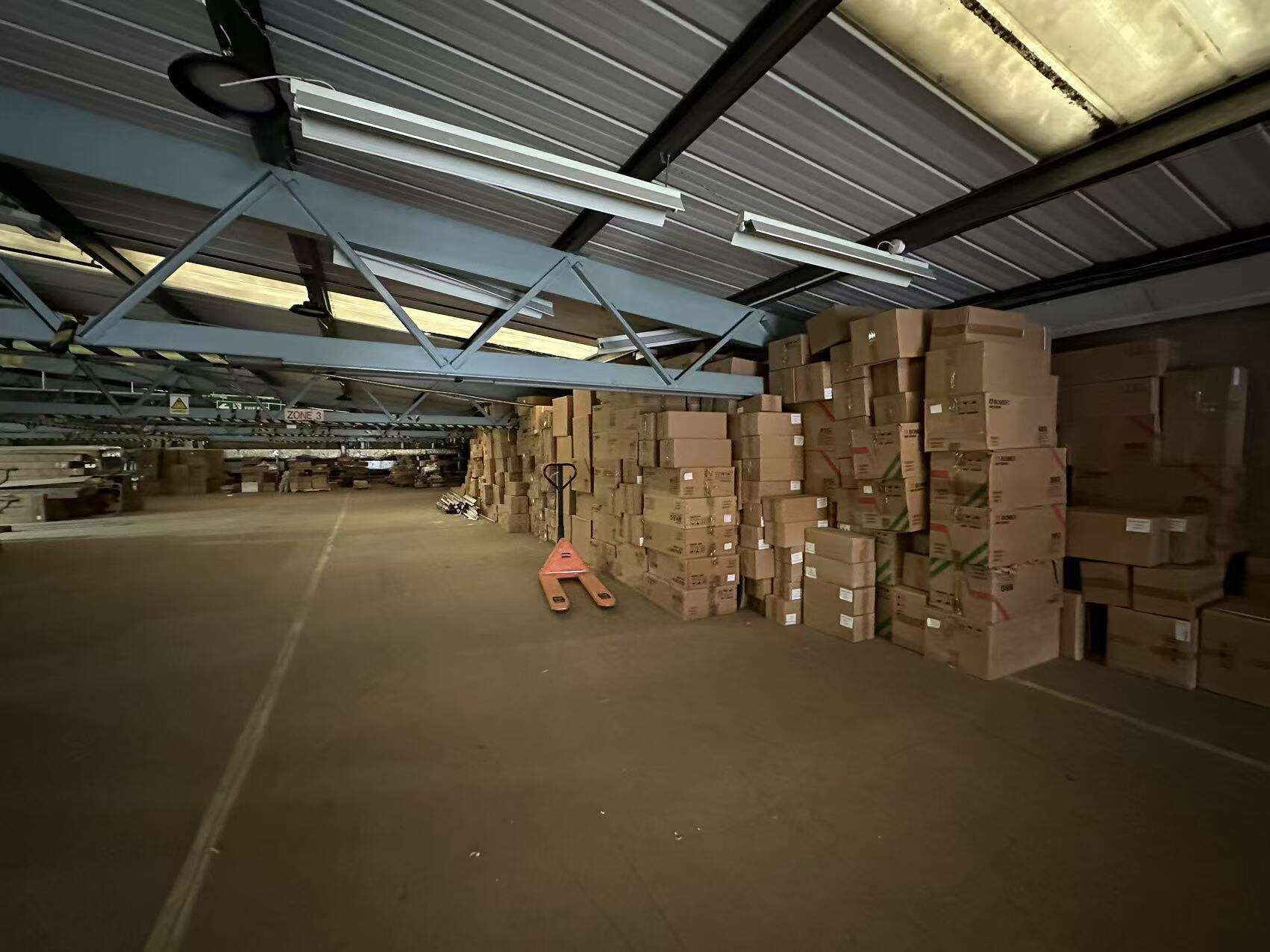
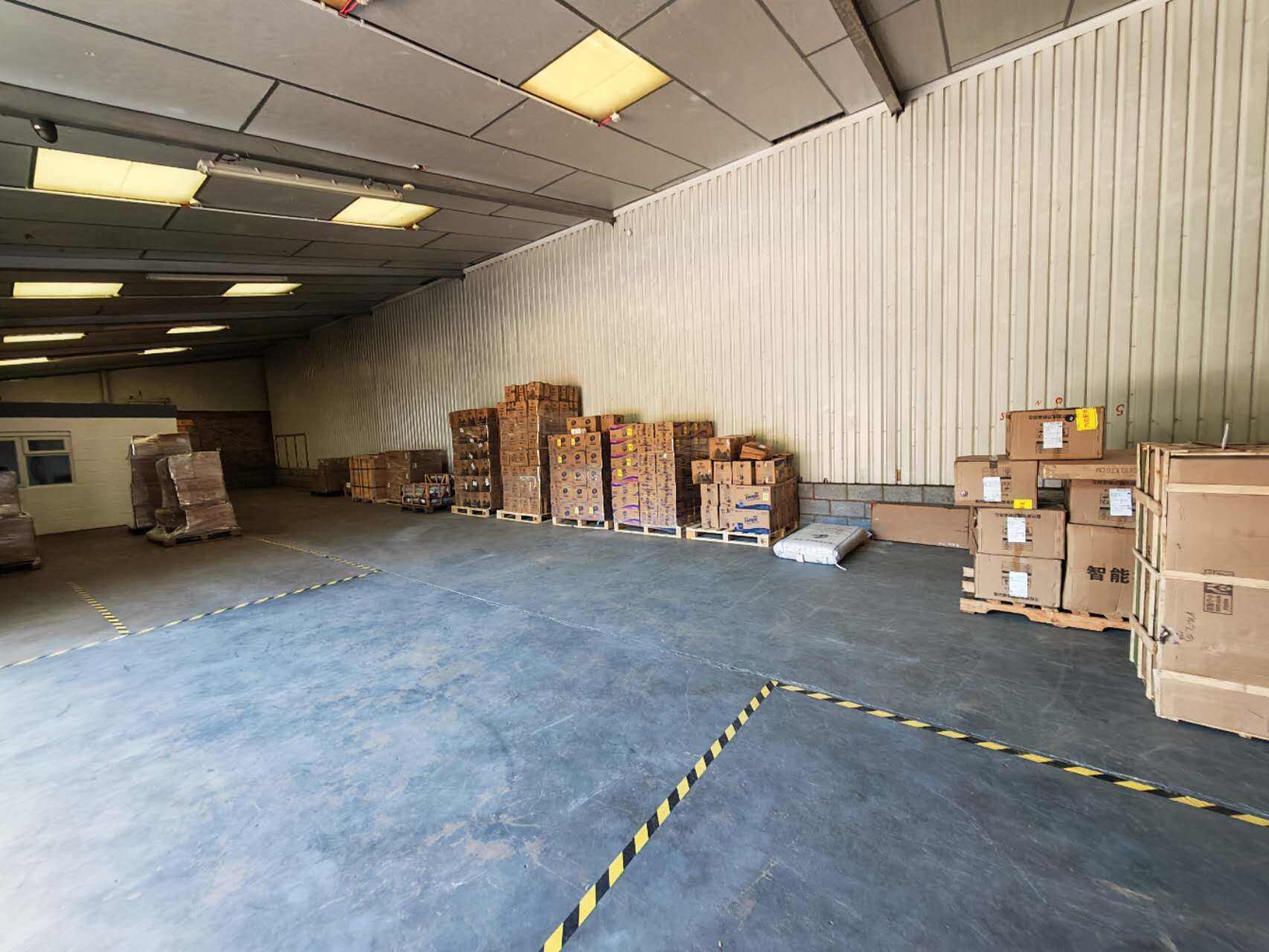
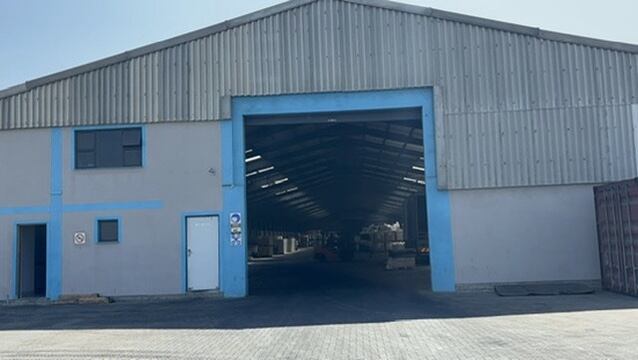
An ecommerce overseas warehouse serves as a strategic logistics hub that revolutionizes cross-border online retail operations. These facilities function as localized distribution centers in foreign markets, storing and managing inventory for efficient order fulfillment. The warehouse system integrates advanced inventory management software, automated sorting systems, and real-time tracking capabilities to ensure seamless operations. Through sophisticated warehouse management systems (WMS), businesses can monitor stock levels, track shipments, and optimize storage space utilization. These warehouses employ cutting-edge picking and packing technologies, including barcode scanning, RFID tracking, and automated conveyor systems, to enhance accuracy and speed. The facility's technological infrastructure enables real-time synchronization with multiple ecommerce platforms, providing accurate inventory updates across all sales channels. Furthermore, these warehouses incorporate quality control stations, returns processing areas, and specialized storage zones for different product categories. The application of these warehouses spans various industries, from fashion and electronics to cosmetics and home goods, offering tailored solutions for different product requirements and market demands. This infrastructure significantly reduces international shipping times, customs complications, and logistical barriers, making global commerce more accessible and efficient for businesses of all sizes.


Popular Products

The ecommerce overseas warehouse offers numerous compelling advantages for businesses expanding internationally. First, it dramatically reduces shipping times and costs by maintaining inventory closer to end customers, enabling faster delivery and enhanced customer satisfaction. Businesses can typically achieve 2-5 day delivery times instead of weeks for international shipping. Local warehousing also significantly reduces shipping costs, as bulk transportation to the warehouse is more cost-effective than individual international shipments. Second, these warehouses simplify customs clearance processes by handling bulk imports and managing local compliance requirements. This pre-positioning of inventory eliminates customs delays for individual orders and reduces documentation complexity. Third, the local presence enables easier returns handling and after-sales service, improving customer experience and building trust in new markets. Fourth, businesses benefit from professional inventory management and order fulfillment services, reducing operational overhead and allowing focus on core business activities. Fifth, the scalable nature of these warehouses provides flexibility to adjust storage capacity based on seasonal demands or business growth. Additionally, the local warehouse presence often results in lower cart abandonment rates due to faster shipping times and reduced delivery costs. The warehouses also offer value-added services such as product labeling, kitting, and quality inspection, ensuring products meet local market requirements. Finally, the real-time inventory visibility and data analytics help businesses make informed decisions about stock levels and market demand, optimizing their supply chain efficiency.

Tips And Tricks

How Can Businesses Reduce Costs with International Sea Freight

17

Sep

How Can Businesses Reduce Costs with International Sea Freight

Maximizing Cost Efficiency in Global Maritime Shipping In today's interconnected global economy, businesses are constantly seeking ways to optimize their supply chain costs. International sea freight remains the backbone of global trade, accounting f...
View More
What Key Advantages Make International Sea Freight Reliable

17

Sep

What Key Advantages Make International Sea Freight Reliable

The Evolution of Maritime Shipping in Global Trade International sea freight has revolutionized the way goods move across continents, establishing itself as the backbone of global commerce. From humble beginnings of wooden vessels to today's massive ...
View More
What Industries Benefit Most from International Sea Freight Services

22

Sep

What Industries Benefit Most from International Sea Freight Services

Understanding the Global Impact of Maritime Transportation Maritime transportation has been the backbone of global trade for centuries, and international sea freight services continue to shape the modern economy. With over 90% of world trade carried ...
View More
How Can Warehousing Service Support International Trade Growth

24

Sep

How Can Warehousing Service Support International Trade Growth

Transform Your Business Operations with Professional Warehousing Solutions Modern businesses face increasingly complex challenges in managing their inventory effectively. A professional warehousing service offers comprehensive solutions that streamli...
View More

Get a Free Quote

Our representative will contact you soon.
Email
Name
Company Name
WhatsApp
Message
0/1000

ecommerce overseas warehouse

Advanced Technology Integration

Advanced Technology Integration

The ecommerce overseas warehouse leverages cutting-edge technology to revolutionize cross-border logistics operations. At its core is an intelligent warehouse management system that provides real-time visibility and control over inventory movements. This system integrates with artificial intelligence and machine learning algorithms to optimize storage layouts, predict demand patterns, and automate reordering processes. The warehouse employs sophisticated robotics and automation solutions, including autonomous mobile robots (AMRs) for efficient picking and transportation of goods within the facility. Advanced scanning and sorting systems use computer vision and RFID technology to ensure accuracy in order fulfillment and inventory tracking. The integration of Internet of Things (IoT) sensors throughout the warehouse monitors environmental conditions, tracks asset utilization, and provides predictive maintenance alerts. This technological ecosystem enables seamless communication between various warehouse operations and external ecommerce platforms, ensuring synchronized inventory levels and order processing across all sales channels.
Global Market Accessibility

Global Market Accessibility

The strategic positioning of overseas warehouses transforms how businesses access international markets. These facilities serve as crucial stepping stones for companies looking to establish a strong presence in foreign territories without significant infrastructure investment. By maintaining local inventory, businesses can offer domestic shipping options to international customers, effectively removing cross-border barriers and enhancing market competitiveness. The warehouse network enables businesses to test new markets with minimal risk, adjusting inventory levels based on local demand patterns. Local presence also facilitates compliance with regional regulations and product standards, ensuring smooth market entry and operation. The warehouse structure supports multi-channel distribution strategies, allowing businesses to serve both B2B and B2C customers effectively. This market accessibility advantage extends to improved customer service capabilities, with local teams handling returns and customer inquiries in the same time zone and often in the local language.
Operational Cost Optimization

Operational Cost Optimization

The ecommerce overseas warehouse model delivers substantial cost savings through various operational efficiencies. Bulk shipping to the warehouse significantly reduces transportation costs compared to individual international shipments, while optimized storage systems minimize space utilization costs. The automated processes and advanced inventory management systems reduce labor costs and human error, leading to higher operational efficiency. The warehouse's ability to consolidate shipments and optimize delivery routes results in lower last-mile delivery costs. By maintaining local inventory, businesses avoid expensive express shipping fees and customs delays, reducing both direct costs and potential lost sales. The warehouse's value-added services, such as quality control and packaging customization, eliminate the need for additional service providers, further consolidating costs. The predictive analytics capabilities help prevent overstocking and stockouts, optimizing inventory investment and reducing carrying costs. This comprehensive approach to cost management enables businesses to offer competitive pricing while maintaining healthy profit margins in international markets.

Get a Free Quote

Our representative will contact you soon.
Email
Name
Company Name
WhatsApp
Message
0/1000