sea freight transport
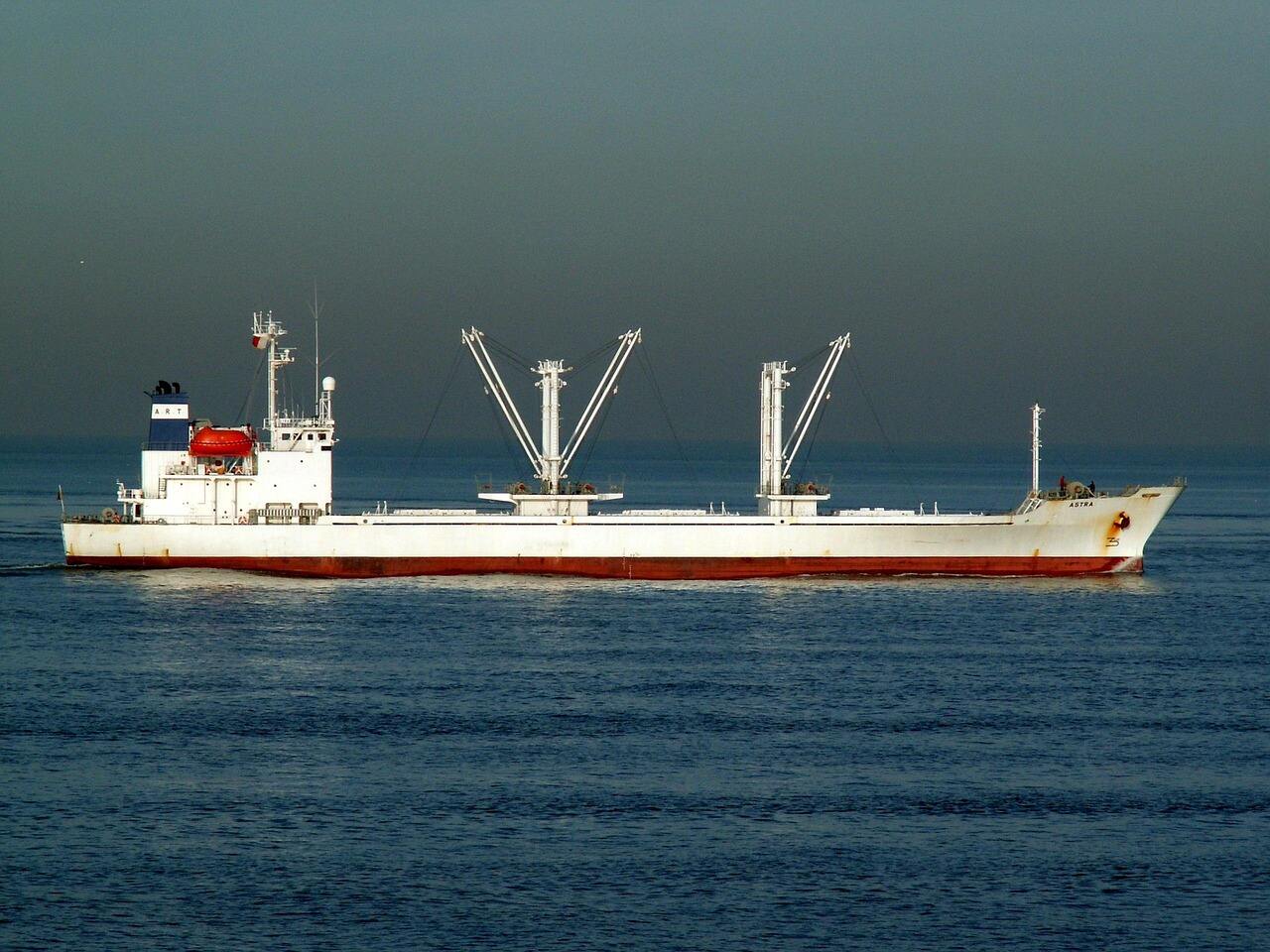
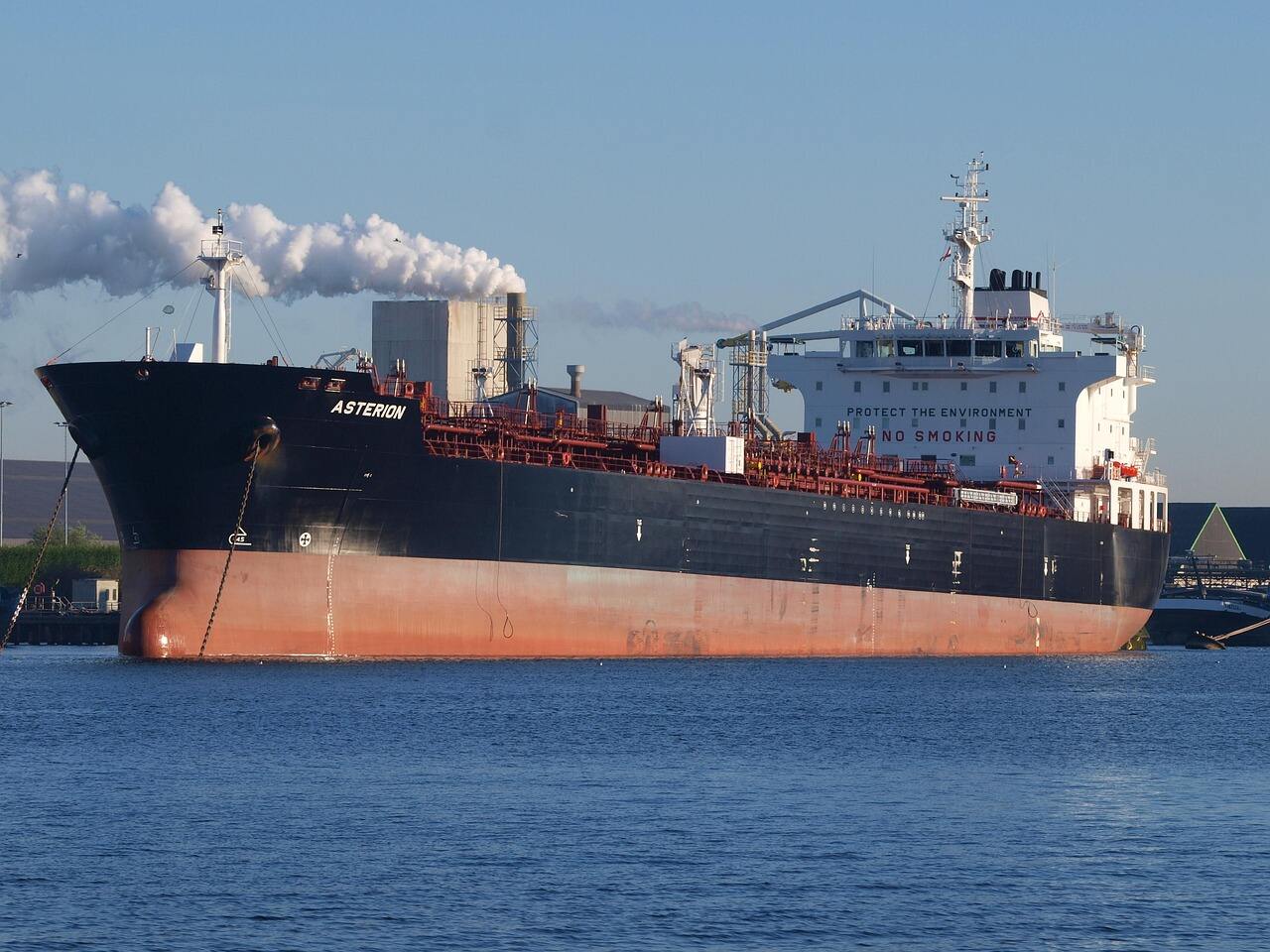
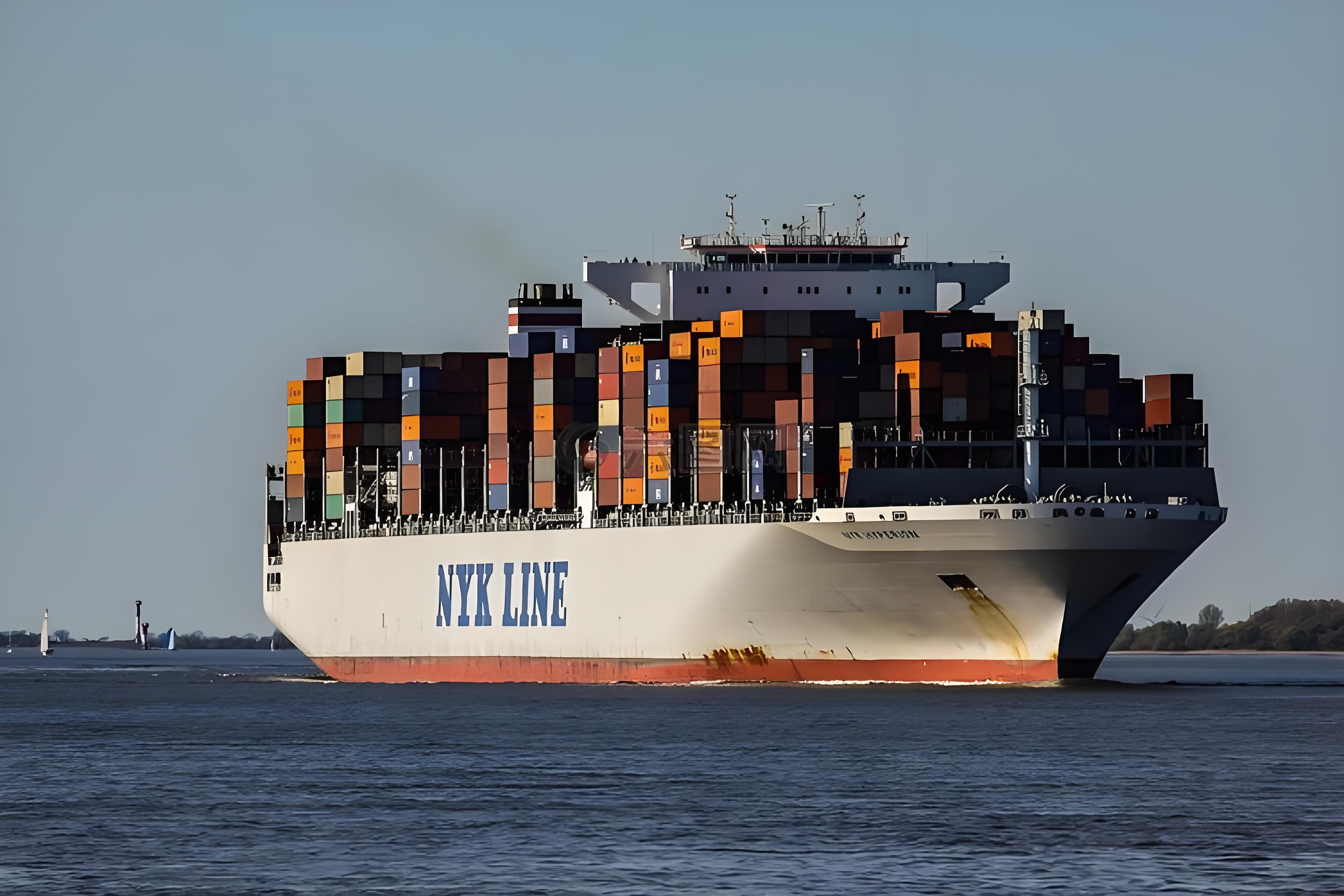
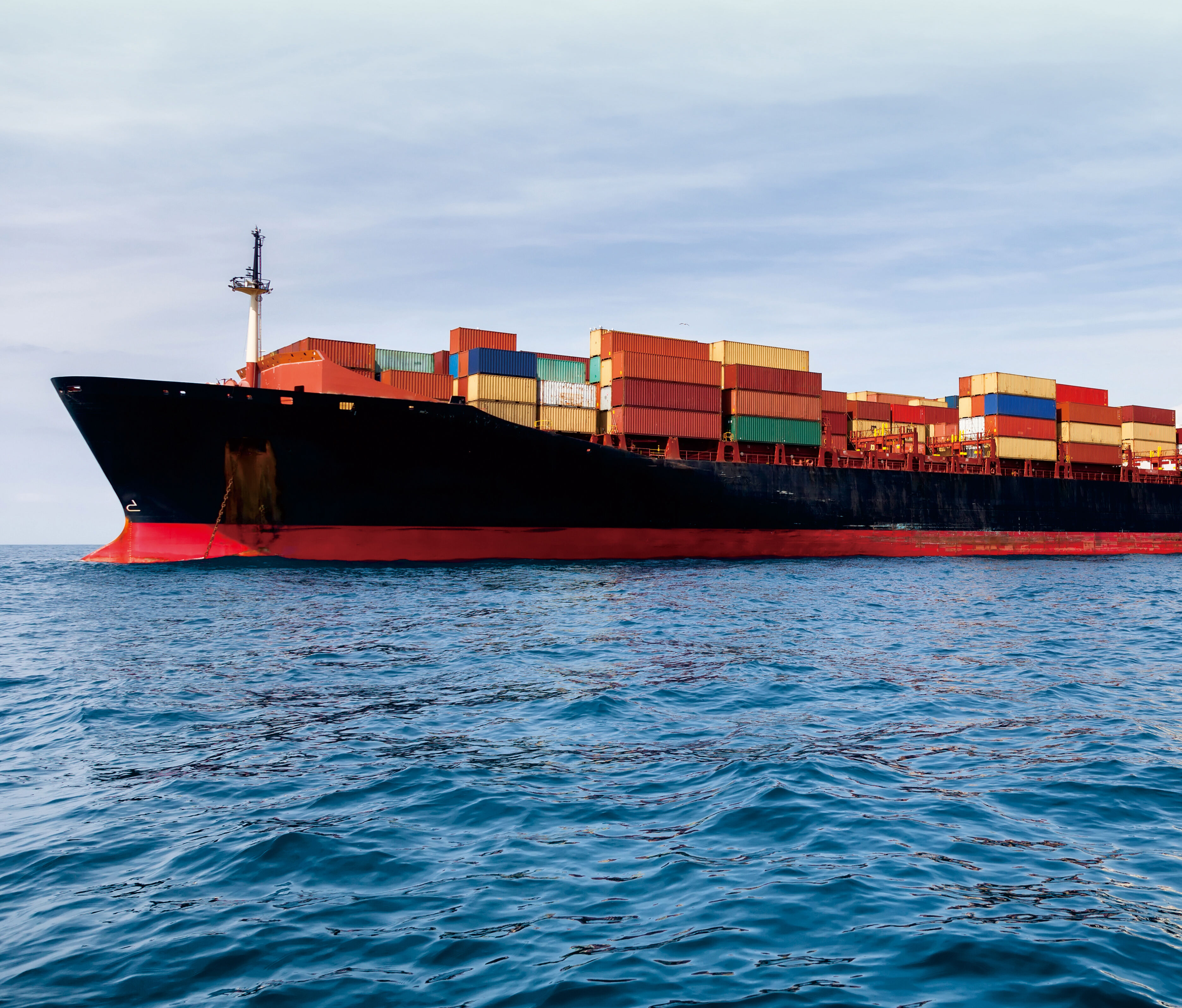
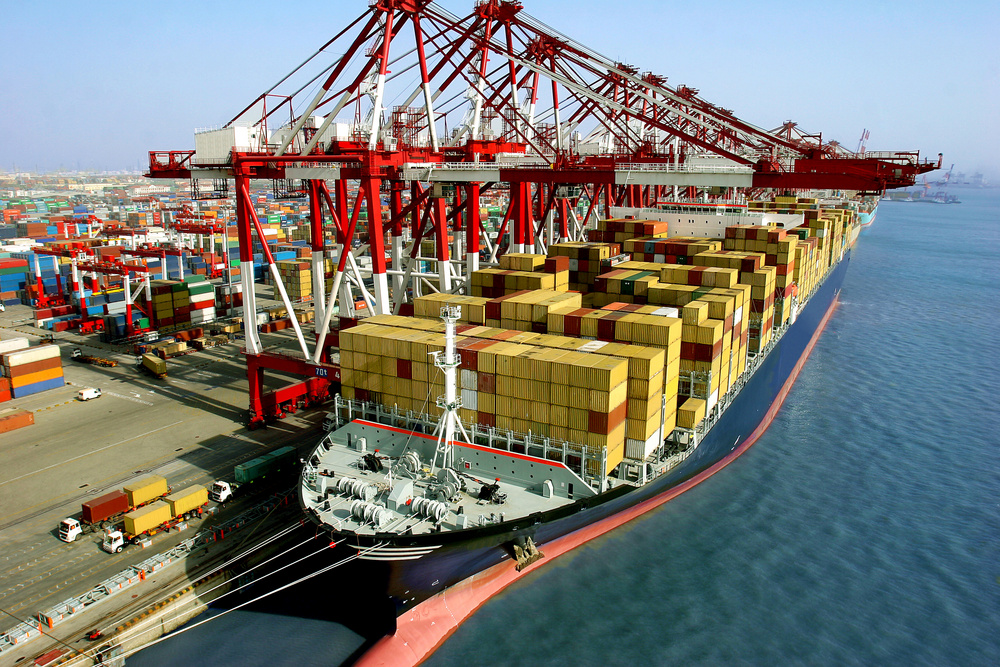
Sea freight transport represents one of the most vital components of global commerce, facilitating the movement of massive quantities of goods across international waters. This mode of transportation utilizes large cargo vessels, container ships, and specialized carriers to move everything from raw materials to finished products across oceans and seas. Modern sea freight transport incorporates advanced technological features such as GPS tracking systems, automated loading and unloading equipment, and sophisticated cargo management software. These vessels are designed with specific compartments and storage areas to accommodate various types of cargo, including containerized goods, bulk materials, liquid cargo, and specialized equipment. The industry employs state-of-the-art navigation systems and weather monitoring technology to ensure safe and efficient voyages. Additionally, modern ships are equipped with fuel-efficient engines and environmental protection systems to minimize their ecological impact. Sea freight transport plays a crucial role in international trade by connecting manufacturing hubs with consumer markets worldwide, offering a cost-effective solution for transporting large volumes of goods over long distances. The industry continues to evolve with the integration of digital technologies for improved tracking, documentation, and logistics management, making it an indispensable part of the global supply chain.

 EN
EN