
 EN
EN



International trade complexity has reached unprecedented levels, with companies managing multiple logistics touchpoints, documentation requirements, and carrier relationships across global supply chains. Door to door sea freight emerges as a comprehensive solution that consolidates the entire shipping process under one service umbrella, eliminating the traditional fragmentation that creates operational bottlenecks and cost inefficiencies for businesses of all sizes.
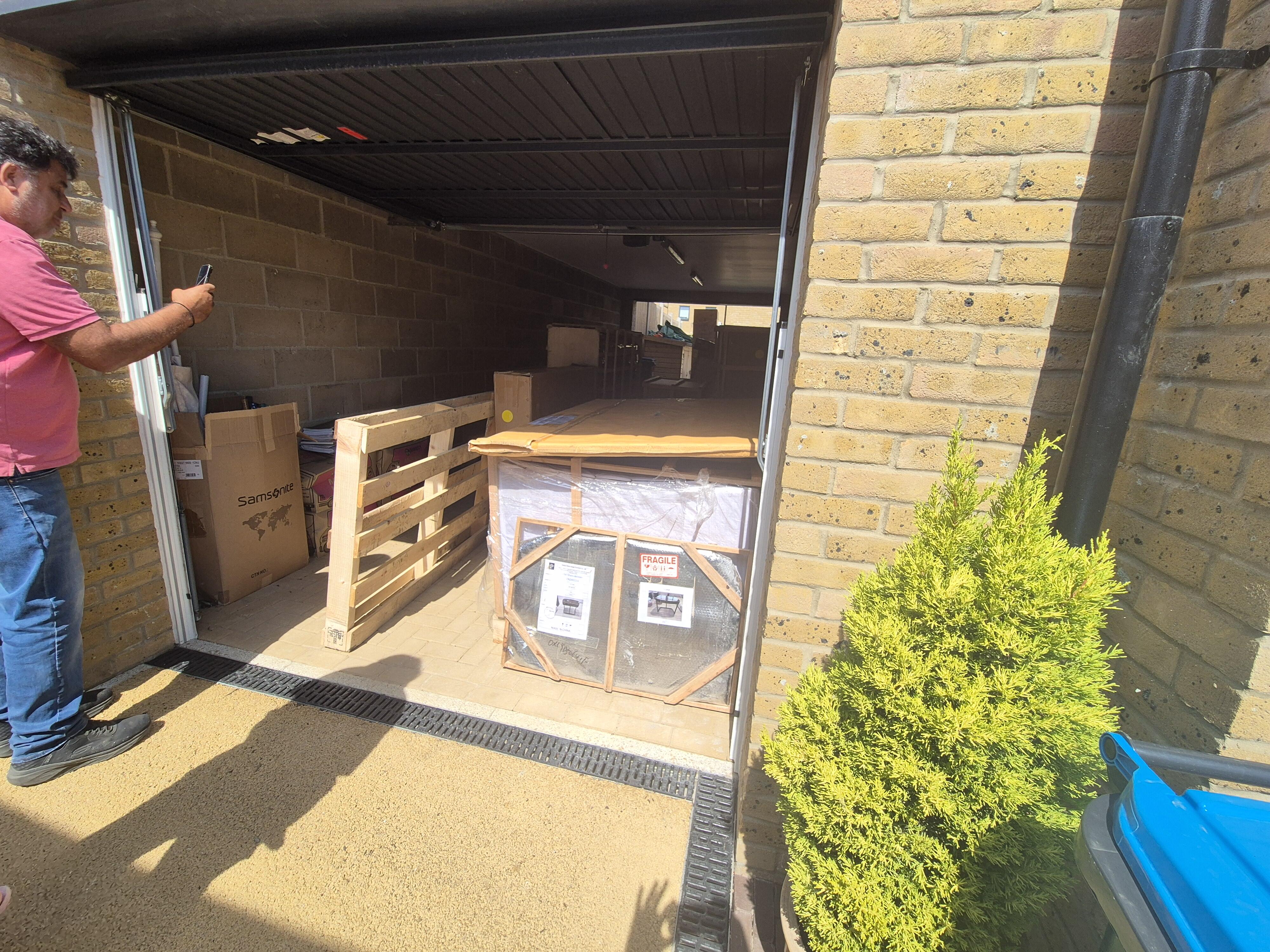
The strategic implementation of door to door sea freight transforms how companies approach international logistics by providing end-to-end visibility, streamlined coordination, and consolidated accountability. This comprehensive service model addresses the core challenge of supply chain fragmentation while delivering measurable improvements in cost predictability, transit time consistency, and operational simplicity that directly impact business performance and customer satisfaction.
Understanding the Door to Door Sea Freight Service Model
Comprehensive Service Integration Framework
Door to door sea freight operates through an integrated service framework that encompasses every logistics touchpoint from the shipper's facility to the consignee's destination. This comprehensive approach eliminates the traditional need for businesses to coordinate separately with multiple service providers, creating a single point of accountability that streamlines the entire shipping process. The service model typically includes pickup coordination, export documentation preparation, customs clearance procedures, ocean transportation, destination handling, import processing, and final delivery coordination.
The integration extends beyond basic transportation services to include value-added capabilities such as cargo consolidation, warehousing solutions, and distribution management. Companies utilizing door to door sea freight benefit from coordinated service delivery that reduces communication overhead while maintaining full shipment visibility throughout the entire logistics chain. This unified approach particularly benefits businesses lacking extensive logistics expertise or dedicated international trade departments.
Technology-Enabled Service Delivery
Modern door to door sea freight services leverage advanced technology platforms that provide real-time shipment tracking, automated documentation processing, and integrated communication systems. These technological capabilities enable businesses to monitor cargo movement, receive proactive status updates, and access comprehensive shipping documentation through centralized digital portals. The technology integration reduces manual intervention requirements while improving accuracy and response times across all service touchpoints.
Digital platform integration also facilitates seamless information exchange between various service providers within the door to door network, ensuring coordinated service delivery and minimizing potential disruptions. Companies benefit from enhanced visibility into shipping costs, transit schedules, and regulatory compliance requirements through these integrated technology solutions. The technology foundation supports scalable service delivery that adapts to changing business requirements and seasonal volume fluctuations.
Operational Simplification Through Consolidated Management
Single Point of Contact Benefits
The single point of contact model inherent in door to door sea freight eliminates the complexity of managing multiple vendor relationships across the international shipping process. Companies work with one primary service coordinator who manages all logistics activities, from initial pickup scheduling through final destination delivery. This consolidation reduces communication overhead, minimizes coordination errors, and provides clear accountability for service performance across the entire shipping cycle.
Centralized management also streamlines problem resolution processes, as companies can address any shipping issues through their primary contact rather than navigating multiple vendor support systems. The single point of contact approach particularly benefits businesses with limited logistics resources, as it reduces the internal coordination burden while maintaining professional service standards. This operational model enables companies to focus on core business activities while ensuring reliable international shipping performance.
Documentation and Compliance Streamlining
Door to door sea freight services significantly simplify the complex documentation and compliance requirements associated with international trade. The service provider assumes responsibility for preparing, submitting, and managing all required shipping documentation, including commercial invoices, packing lists, certificates of origin, and regulatory compliance paperwork. This comprehensive documentation management reduces the administrative burden on shipping companies while ensuring accuracy and regulatory compliance across all jurisdictions.
The documentation streamlining extends to customs clearance procedures at both origin and destination locations, with experienced professionals managing the entire process to minimize delays and compliance issues. Companies benefit from reduced internal resource requirements for trade compliance while maintaining confidence in regulatory adherence. This systematic approach to documentation management particularly benefits businesses shipping to multiple international markets with varying regulatory requirements.
Cost Optimization and Financial Predictability
Transparent Pricing Structure Implementation
Door to door sea freight services typically offer transparent, all-inclusive pricing structures that provide businesses with clear cost visibility and budgeting predictability. Unlike traditional shipping arrangements that involve multiple separate charges from various service providers, door to door pricing consolidates all logistics costs into comprehensive rate structures. This pricing transparency enables more accurate financial planning and eliminates unexpected charges that often arise from fragmented logistics arrangements.
The consolidated pricing approach also facilitates more effective cost comparison and vendor evaluation processes, as businesses can assess total logistics costs rather than attempting to aggregate multiple separate service charges. Door to door sea freight providers often offer volume-based pricing incentives and long-term contract benefits that provide additional cost optimization opportunities for regular shippers. This financial predictability supports more effective working capital management and supply chain budgeting processes.
Many door to door sea freight providers also offer flexible payment terms and billing consolidation options that simplify accounts payable processes for their customers. The streamlined financial management reduces administrative overhead while providing clear cost allocation capabilities for internal reporting and analysis purposes.
Hidden Cost Elimination Strategies
Traditional multi-vendor shipping arrangements often generate hidden costs through coordination inefficiencies, duplicate handling charges, and communication delays that impact overall logistics performance. Door to door sea freight services address these hidden cost sources through integrated service delivery that eliminates redundant processes and reduces handling requirements. The consolidated approach typically results in measurable cost savings compared to managing separate relationships with multiple logistics providers.
Service integration also reduces the risk of costly shipping delays caused by poor coordination between different logistics providers, as the door to door service assumes full responsibility for meeting delivery commitments. Companies benefit from reduced inventory carrying costs, improved customer satisfaction, and decreased expediting expenses through more reliable transit performance. The comprehensive service model particularly benefits businesses shipping time-sensitive or high-value cargo that requires consistent delivery performance.
Enhanced Supply Chain Visibility and Control
Real-Time Tracking and Communication Systems
Door to door sea freight services provide comprehensive shipment visibility through integrated tracking systems that monitor cargo movement from initial pickup through final delivery. These tracking capabilities enable businesses to provide accurate delivery information to customers while maintaining awareness of potential delays or issues that might impact operations. The enhanced visibility supports more effective inventory planning and production scheduling by providing reliable transit time information.
Advanced communication systems integrated with door to door sea freight services provide proactive notifications about shipment status changes, customs clearance progress, and delivery scheduling updates. This proactive communication approach enables businesses to address potential issues before they impact operations while keeping customers informed about shipment progress. The communication integration reduces the need for manual status inquiries while ensuring timely information distribution to relevant stakeholders.
Performance Monitoring and Optimization Capabilities
Comprehensive door to door sea freight services include performance monitoring capabilities that track key metrics such as transit times, on-time delivery rates, and cost performance across shipping lanes and time periods. This performance data enables businesses to identify optimization opportunities, assess service quality, and make informed decisions about logistics strategy adjustments. The monitoring capabilities support continuous improvement initiatives that enhance supply chain efficiency over time.
The performance data also supports vendor accountability discussions and service level agreement monitoring, ensuring that door to door sea freight providers maintain consistent service standards. Companies can utilize performance metrics to optimize shipping schedules, adjust inventory policies, and improve customer service delivery through more predictable logistics performance. This data-driven approach to logistics management enables more strategic supply chain decision-making and operational optimization.
Strategic Implementation Considerations for Business Success
Service Provider Selection and Evaluation Criteria
Successful implementation of door to door sea freight requires careful evaluation of potential service providers based on network coverage, service capabilities, technology integration, and performance track records. Companies should assess provider capabilities across all required shipping lanes while evaluating their ability to handle specific cargo types and regulatory requirements. The evaluation process should include reference checks, facility inspections, and detailed capability assessments to ensure service alignment with business requirements.
Financial stability and insurance coverage represent critical evaluation factors, as door to door sea freight providers assume significant responsibility for cargo value and delivery performance. Companies should also evaluate provider flexibility in adapting to changing business requirements and their ability to scale services based on volume fluctuations. The selection process should include detailed contract negotiations that clearly define service levels, performance metrics, and accountability structures.
Integration with Existing Business Operations
Effective door to door sea freight implementation requires careful integration with existing business processes, including order management, inventory control, and customer communication systems. Companies should develop clear procedures for coordinating shipments, managing documentation requirements, and handling exception situations to ensure smooth operational integration. The integration process should include staff training and system configuration to maximize service benefits.
Change management considerations include updating internal procedures, revising vendor management processes, and establishing new performance monitoring systems aligned with door to door sea freight service delivery. Companies should also develop contingency procedures for handling service disruptions and maintaining business continuity during the transition period. Successful integration typically requires collaboration between logistics, finance, and operations teams to ensure comprehensive service optimization.
FAQ
What makes door to door sea freight different from traditional ocean shipping services?
Door to door sea freight provides comprehensive end-to-end logistics management from the shipper's location to the final destination, while traditional ocean shipping typically covers only the port-to-port transportation segment. This comprehensive approach eliminates the need for businesses to coordinate separately with multiple service providers for pickup, documentation, customs clearance, and final delivery, creating a single point of accountability for the entire shipping process.
How does door to door sea freight help reduce shipping costs for businesses?
Door to door sea freight reduces costs through consolidated service delivery that eliminates coordination inefficiencies, duplicate handling charges, and communication delays common in multi-vendor arrangements. The integrated approach provides transparent, all-inclusive pricing that enables better cost prediction and budgeting while often delivering volume-based pricing incentives and reduced administrative overhead compared to managing separate logistics relationships.
What level of shipment visibility can companies expect with door to door sea freight services?
Companies utilizing door to door sea freight services typically receive comprehensive real-time tracking capabilities that monitor cargo movement from initial pickup through final delivery. Advanced services include proactive status notifications, customs clearance progress updates, and integrated communication systems that provide complete supply chain visibility without requiring coordination with multiple tracking systems or service providers.
How long does it typically take to implement door to door sea freight services for a business?
Implementation timelines for door to door sea freight services vary based on business complexity, shipping volume, and integration requirements, but typically range from 2-6 weeks for standard implementations. The process includes service provider evaluation, contract negotiation, system integration, staff training, and procedure development to ensure smooth operational transition and optimal service performance from service initiation.
Table of Contents
- Understanding the Door to Door Sea Freight Service Model
- Operational Simplification Through Consolidated Management
- Cost Optimization and Financial Predictability
- Enhanced Supply Chain Visibility and Control
- Strategic Implementation Considerations for Business Success
-
FAQ
- What makes door to door sea freight different from traditional ocean shipping services?
- How does door to door sea freight help reduce shipping costs for businesses?
- What level of shipment visibility can companies expect with door to door sea freight services?
- How long does it typically take to implement door to door sea freight services for a business?