
 EN
EN



In today's fast-paced global marketplace, businesses face mounting pressure to reduce delivery times, minimize supply chain friction, and maintain competitive advantage through operational efficiency. One of the most critical yet often underestimated factors in international trade velocity is the customs clearance process. Traditional clearance procedures can introduce significant delays, create inventory bottlenecks, and inflate operational costs. As companies expand their cross-border operations, many are discovering that specialized clearance shipping services offer a strategic solution to accelerate trade flows, reduce administrative burden, and improve overall supply chain performance. Understanding how these services work and why they deliver tangible speed improvements has become essential for businesses competing in international markets.
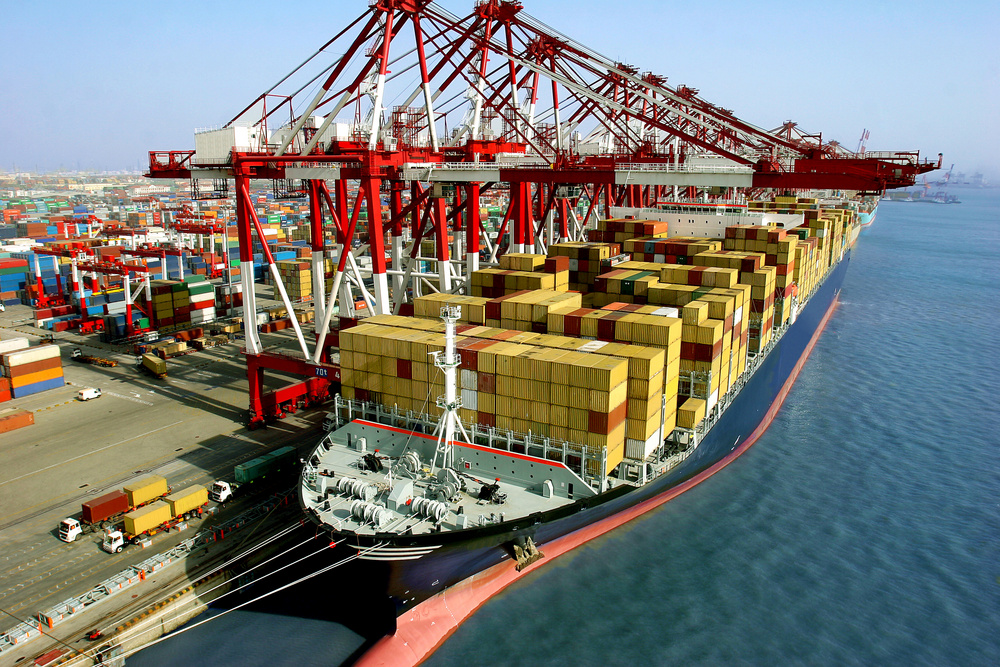
The acceleration of trade through clearance shipping services stems from a combination of specialized expertise, established relationships with customs authorities, advanced technology integration, and streamlined documentation processes. These services fundamentally transform how goods move across borders by removing the guesswork, delays, and compliance risks that plague companies attempting to manage clearance internally. When businesses partner with experienced providers offering comprehensive clearance shipping services, they gain access to institutional knowledge about regulatory requirements, tariff classifications, duty optimization strategies, and expedited processing channels that would take years to develop independently. This article explores the specific mechanisms through which these services compress clearance timelines, the operational advantages they provide, and the practical considerations businesses must evaluate when selecting and implementing clearance solutions to maximize trade velocity.
The Structural Bottlenecks in Traditional Customs Clearance
Documentation Complexity and Preparation Delays
Traditional customs clearance processes create significant time delays primarily through documentation requirements that demand precision, completeness, and compliance with constantly evolving regulations. Businesses managing clearance internally often struggle with the complexity of commercial invoices, packing lists, certificates of origin, import licenses, and product-specific documentation that varies by country, commodity type, and trade agreement status. Each document must contain accurate information about product descriptions, harmonized tariff codes, declared values, and country of manufacture details. Errors or omissions in any single document can trigger inspection holds, amendment requests, or outright rejections that add days or weeks to clearance timelines. Companies without dedicated trade compliance teams frequently lack current knowledge of documentation standards, leading to submission delays while staff research requirements or seek external guidance.
The preparation phase itself consumes considerable time when businesses lack established templates, automated data extraction systems, and verification protocols. Manual document creation introduces transcription errors, inconsistent formatting, and missing regulatory statements that customs authorities flag during review. Many companies discover documentation deficiencies only after shipments arrive at border points, creating costly demurrage charges while corrected paperwork is prepared and resubmitted. Professional clearance shipping services eliminate these preparation delays by maintaining current documentation templates, automated compliance checking systems, and experienced staff who prepare complete, accurate submissions before goods reach inspection points. This proactive approach ensures that clearance can begin immediately upon arrival rather than being postponed while documentation issues are resolved.
Limited Access to Expedited Processing Channels
Customs authorities in most jurisdictions operate multiple processing channels with vastly different throughput speeds, but access to expedited lanes typically requires established compliance records, participation in trusted trader programs, and demonstrated expertise in regulatory adherence. Businesses conducting occasional international shipments or those new to specific markets rarely qualify for these accelerated pathways, defaulting instead to standard processing queues where clearance times can extend several days even for routine shipments. The application processes for programs like Customs-Trade Partnership Against Terrorism, Authorized Economic Operator status, or country-specific trusted trader designations require substantial documentation, security validations, and operational audits that small and medium enterprises often cannot justify for limited trade volumes.
Experienced providers of clearance shipping services maintain these trusted trader certifications across multiple jurisdictions, allowing their clients to benefit from expedited processing without individual qualification efforts. These relationships with customs authorities extend beyond formal programs to include established communication channels, recognized broker codes, and operational familiarity that customs officers develop with high-volume, compliant service providers. When shipments are processed by recognized clearance specialists, customs reviewers can apply streamlined examination protocols, reduced documentation scrutiny, and faster release procedures based on the provider's track record. This institutional trust translates directly into reduced clearance windows, often compressing multi-day standard processing into same-day or next-day releases for qualifying shipments.
Reactive Problem Resolution and Inspection Delays
Perhaps the most significant time loss in traditional clearance occurs when unexpected issues arise during customs review, triggering inspection holds, valuation disputes, or classification challenges. Businesses managing their own clearance typically learn of these problems only after customs officials have flagged shipments, at which point resolution requires gathering additional documentation, arranging physical inspections, engaging in technical discussions about tariff classifications, or providing proof of compliance with product-specific regulations. Without immediate access to trade compliance expertise, companies often struggle to understand the precise nature of customs concerns, leading to back-and-forth communications that extend resolution timelines unnecessarily.
The impact of inspection delays multiplies when businesses lack established procedures for coordinating examinations, providing requested documentation, or negotiating classification determinations with customs authorities. Each day of delay generates storage fees, increases inventory carrying costs, and potentially disrupts production schedules or customer commitments dependent on timely delivery. Professional clearance shipping services mitigate these reactive delays through predictive risk assessment that identifies potential issues before submission, immediate response capabilities when questions arise, and established protocols for coordinating physical inspections efficiently. Their experience with similar products and common customs concerns allows rapid resolution of classification questions, valuation methodologies, and compliance documentation that would require extensive research for occasional importers.
How Clearance Shipping Services Compress Processing Timelines
Pre-Clearance Document Preparation and Validation
The most significant acceleration mechanism employed by clearance shipping services involves shifting documentation preparation and validation activities to occur before goods physically arrive at border points. This pre-clearance approach allows customs authorities to begin their review process while shipments are in transit, enabling release decisions to be made immediately upon arrival rather than initiating clearance procedures after physical presentation. Service providers collect shipment information from clients well in advance, prepare all required documentation using automated compliance systems, and submit clearance declarations to customs authorities for preliminary review. This parallel processing eliminates the sequential bottleneck where goods must wait at ports while documentation is reviewed, questions are resolved, and clearance determinations are made.
Advanced clearance shipping services employ sophisticated validation systems that check documentation against regulatory databases, verify tariff classifications against customs rulings, and flag potential compliance issues before submission. These automated checks catch the documentation errors, missing information, and regulatory inconsistencies that typically trigger customs holds, allowing corrections to be made proactively rather than reactively. The validation process includes cross-referencing product descriptions against restricted and prohibited goods lists, ensuring declared values align with commercial invoice amounts, and verifying that all country-specific import requirements are satisfied. By eliminating submission errors that cause rejection and resubmission cycles, these validation systems compress clearance timelines substantially while reducing the risk of penalties or enforcement actions that can freeze shipments for extended periods.
Strategic Tariff Classification and Duty Optimization
Proper tariff classification represents one of the most technically complex aspects of customs clearance, directly impacting both duty costs and clearance speed. The Harmonized System used globally for product classification contains thousands of potential codes, with subtle distinctions between categories that can significantly affect applicable duty rates, regulatory requirements, and even whether products qualify for preferential trade agreement treatment. Businesses lacking specialized classification expertise frequently select incorrect codes, triggering customs review delays while proper classifications are determined. Customs authorities scrutinize misclassifications carefully because they affect revenue collection and compliance with trade regulations, often requiring detailed technical explanations, product samples, or laboratory analysis to resolve disputes.
Professional clearance shipping services employ certified customs specialists with deep technical knowledge of tariff schedules, classification methodologies, and product-specific regulations. These experts analyze product specifications, manufacturing processes, and intended uses to determine optimal classifications that minimize duties while ensuring regulatory compliance. Their expertise extends to identifying opportunities for preferential duty treatment under free trade agreements, temporary import provisions, or duty drawback programs that reduce costs while maintaining clearance speed. By submitting accurate classifications supported by technical justifications from the initial declaration, these services avoid the review delays and potential disputes that arise from classification uncertainties. Customs authorities process shipments with confident, well-supported classifications more rapidly than those requiring independent verification or technical research.
Real-Time Tracking and Proactive Exception Management
Modern clearance shipping services leverage integrated technology platforms that provide real-time visibility into shipment status throughout the clearance process, enabling proactive identification and resolution of potential delays before they impact delivery timelines. These systems connect directly to customs authority databases, carrier tracking networks, and warehouse management platforms to monitor clearance progression through each stage from initial declaration submission through final release. When systems detect anomalies such as examination holds, documentation requests, or processing delays, automated alerts notify both service providers and clients immediately, triggering proactive intervention rather than passive waiting for status updates.
This real-time monitoring capability allows clearance specialists to address emerging issues during business hours rather than discovering problems overnight or during weekends when resolution options are limited. Service providers maintain dedicated staff monitoring clearance queues continuously, with established escalation protocols for engaging customs authorities, arranging urgent inspections, or providing supplemental documentation within minutes rather than hours or days. The combination of automated status tracking and human expertise creates a responsive exception management system that minimizes the duration of unexpected delays. Additionally, the data collected through these monitoring systems enables continuous process improvement, as providers analyze patterns in clearance delays, identify recurring issues with specific products or destinations, and implement preventive measures for future shipments.
Operational Advantages Beyond Speed Improvement
Predictable Transit Times and Supply Chain Planning
While the primary benefit of clearance shipping services is accelerated processing, the consistency and predictability of clearance timelines provides equally valuable operational advantages for supply chain planning and customer commitment management. Businesses managing their own clearance often experience high variability in processing duration, with some shipments clearing within hours while others languish for days or weeks due to documentation issues, random inspections, or classification questions. This unpredictability forces companies to maintain larger safety stock levels, complicates production scheduling, and makes customer delivery commitments unreliable. When clearance timelines vary significantly, businesses cannot optimize inventory levels or implement just-in-time delivery strategies that reduce working capital requirements.
Professional clearance shipping services deliver not just faster clearance but more consistent processing windows that enable accurate supply chain planning. By standardizing documentation quality, maintaining trusted trader status, and proactively managing exceptions, these services reduce the variance in clearance duration that complicates logistics planning. Businesses can forecast arrival times more accurately, reduce safety stock requirements, and make confident customer commitments knowing that clearance delays are unlikely. This predictability extends beyond individual shipments to create reliable patterns that inform strategic decisions about manufacturing locations, distribution center placements, and inventory positioning strategies. The operational efficiency gained through predictable clearance timelines often delivers greater long-term value than the speed improvements themselves.
Compliance Risk Reduction and Penalty Avoidance
The expertise embedded in professional clearance shipping services provides substantial risk mitigation beyond processing speed, protecting businesses from the costly penalties, shipment seizures, and regulatory sanctions that result from customs compliance failures. Customs regulations carry significant enforcement mechanisms including financial penalties for misclassification, seizure of goods for prohibited imports, and potential criminal liability for willful violations. Businesses attempting to manage clearance internally without comprehensive regulatory knowledge risk inadvertent violations that can result in penalties far exceeding the cost of professional services. Even unintentional errors in declared values, country of origin statements, or product classifications can trigger enforcement actions that disrupt operations and damage relationships with customs authorities.
Established clearance shipping services maintain compliance as their core operational focus, with continuous training programs, regulatory update monitoring, and quality assurance systems that minimize violation risks. These providers carry professional liability insurance, maintain bonds with customs authorities, and employ licensed customs brokers who bear regulatory responsibility for declaration accuracy. When compliance questions arise, their institutional relationships with customs authorities facilitate constructive resolution rather than adversarial enforcement proceedings. The risk reduction provided by professional clearance services extends to protection against supply chain disruptions caused by regulatory changes, as experienced providers monitor evolving requirements and adjust procedures proactively rather than discovering new regulations through enforcement actions. For businesses operating in heavily regulated industries or dealing with products subject to specialized import controls, this compliance expertise represents an essential operational safeguard.
Scalability and Geographic Expansion Support
As businesses expand their international operations into new markets, the complexity of managing customs clearance grows exponentially due to differing regulatory frameworks, documentation requirements, and enforcement priorities across jurisdictions. Building internal clearance capabilities for each new market requires substantial investment in regulatory research, staff training, relationship development with local customs authorities, and establishment of legal entities or agency relationships in destination countries. This requirement creates significant barriers to rapid geographic expansion and limits the agility with which businesses can respond to market opportunities or diversify supply chain risks across multiple sourcing or selling locations.
Comprehensive clearance shipping services provide immediate scalability across multiple jurisdictions through established networks of local clearance partners, regional expertise centers, and unified technology platforms that standardize processes across markets. Businesses can expand into new countries by leveraging the provider's existing infrastructure, regulatory knowledge, and customs relationships rather than building capabilities independently. This scalability advantage extends beyond geographic expansion to volume fluctuations, as professional services can accommodate seasonal peaks, promotional surges, or unexpected demand spikes without the capacity constraints that limit internal clearance operations. The operational flexibility provided by scalable clearance shipping services enables businesses to pursue growth opportunities aggressively while maintaining consistent clearance performance regardless of shipment volumes or destination diversity.
Implementation Strategies for Maximum Trade Velocity
Service Provider Selection and Capability Assessment
Achieving maximum trade acceleration through clearance shipping services requires careful selection of providers whose capabilities, geographic coverage, and service models align with specific business requirements. Not all clearance providers offer equivalent expertise or performance levels, with significant variations in regulatory knowledge, technology sophistication, customer service responsiveness, and specialization in particular product categories or trade lanes. Businesses should evaluate potential providers based on demonstrated experience with similar products, established presence in relevant markets, technology platform capabilities, and track records for clearance speed and compliance accuracy. References from existing clients operating in comparable industries provide valuable insights into actual performance beyond marketing claims.
The assessment process should examine specific capabilities relevant to trade acceleration including participation in trusted trader programs, availability of pre-clearance services, technology integration options with existing enterprise systems, and exception management protocols. Businesses dealing with time-sensitive products, regulatory complexities, or high-value goods should prioritize providers demonstrating specialized expertise rather than selecting based solely on cost considerations. The evaluation should also consider the provider's financial stability, professional liability coverage, and quality assurance systems that protect against compliance failures. Geographic coverage assessment must verify that providers maintain direct operations or reliable partner networks in all relevant markets rather than cobbling together clearance capabilities through informal relationships that create coordination delays and accountability gaps.
Data Integration and Process Standardization
The speed advantages of professional clearance shipping services multiply when businesses establish seamless data integration between their internal systems and the provider's clearance platforms. Manual data transfer processes where shipment information is rekeyed from commercial systems into clearance documentation introduce transcription errors, processing delays, and version control problems that undermine the efficiency gains professional services provide. Modern clearance platforms offer API connections, EDI integration, and automated data extraction capabilities that pull shipment information directly from enterprise resource planning systems, order management platforms, and warehouse management solutions. This automated data flow eliminates manual entry delays, reduces error rates, and enables the pre-clearance preparation that delivers maximum timeline compression.
Beyond technical integration, businesses should work with clearance shipping services to standardize product data, establish consistent classification approaches, and create reusable documentation templates that accelerate processing for recurring shipments. This standardization includes developing approved product descriptions, maintaining libraries of technical specifications for classification support, and creating standard operating procedures for common shipment types. The initial investment in data cleansing and process standardization delivers ongoing dividends through faster processing, reduced exception rates, and improved predictability. Businesses should also establish clear communication protocols, escalation procedures, and performance metrics that enable continuous improvement in clearance speed and reliability. Regular performance reviews with service providers should examine clearance duration trends, identify recurring bottlenecks, and implement corrective actions that progressively improve trade velocity.
Strategic Partnership Development and Continuous Optimization
Maximum trade acceleration requires viewing clearance shipping services as strategic partners rather than transactional vendors, with ongoing collaboration to optimize processes, share market intelligence, and align operational priorities. Businesses should establish regular communication channels with clearance providers to discuss regulatory changes, supply chain strategy shifts, and emerging challenges that may impact clearance performance. This partnership approach enables providers to offer proactive guidance on tariff optimization opportunities, regulatory compliance improvements, and supply chain design modifications that enhance overall trade velocity. Service providers working closely with clients can anticipate seasonal volume patterns, prepare for product launches, and coordinate with customs authorities to prevent disruptions during critical periods.
The optimization process should include systematic analysis of clearance data to identify patterns, bottlenecks, and improvement opportunities. Modern clearance shipping services provide detailed analytics on processing times, exception rates, duty costs, and compliance metrics that enable evidence-based decision making. Businesses should review these analytics regularly with service providers to identify products requiring classification reviews, markets with recurring documentation issues, or process modifications that could accelerate clearance further. This continuous improvement approach transforms clearance from a static operational function into a dynamic competitive advantage that progressively enhances trade velocity. The partnership should also extend to strategic planning discussions where clearance considerations inform decisions about manufacturing locations, distribution strategies, and market entry approaches that maximize operational efficiency while maintaining regulatory compliance.
FAQ
What is the typical time reduction businesses achieve when using professional clearance shipping services compared to managing clearance internally?
The time reduction varies significantly based on product complexity, trade lanes, and internal capabilities, but businesses typically experience clearance timeline reductions of forty to seventy percent when transitioning from internal management to professional services. Shipments that previously required three to five days for clearance often process within twenty-four to forty-eight hours with experienced providers, while complex shipments involving regulated products or new markets may see even more dramatic improvements. The consistency of processing times improves substantially regardless of absolute duration, with professional services delivering predictable clearance windows that enable reliable supply chain planning even when complete elimination of clearance time is not possible.
Do clearance shipping services only benefit large enterprises, or can small and medium businesses also achieve meaningful trade acceleration?
Small and medium enterprises often realize proportionally greater benefits from clearance shipping services than large corporations because they lack the internal resources to develop specialized trade compliance expertise, maintain customs relationships, or invest in clearance technology systems. Professional services provide immediate access to capabilities that would require substantial investment to build internally, enabling smaller businesses to compete effectively in international markets without dedicated compliance departments. The scalability of professional services allows businesses to access enterprise-grade clearance capabilities regardless of shipment volumes, with flexible pricing models that align costs with actual usage rather than requiring fixed infrastructure investments. Many small businesses discover that outsourcing clearance not only accelerates trade but actually reduces total costs compared to internal management when staff time, error correction, and penalty risks are considered comprehensively.
How do businesses balance the speed benefits of clearance shipping services against concerns about losing direct control over the customs process?
Modern clearance shipping services provide extensive visibility and communication tools that give businesses effective control over the clearance process while delegating operational execution to specialists. Technology platforms offer real-time status tracking, document repositories, and communication channels that keep businesses informed throughout clearance progression, often providing greater transparency than internal processes where information remains siloed across departments. Businesses retain decision authority over classification strategies, valuation methodologies, and compliance approaches while benefiting from professional expertise in implementation. The control concern typically reflects unfamiliarity with modern service models rather than actual limitations, as reputable providers operate as extensions of client organizations with aligned incentives and collaborative relationships. Businesses should establish clear service level agreements, communication protocols, and escalation procedures that define the control framework while allowing providers operational flexibility to optimize clearance speed.
What specific information should businesses provide to clearance shipping services to enable maximum processing acceleration?
Maximum clearance acceleration requires businesses to provide comprehensive shipment information as early as possible, ideally before goods depart origin locations. Essential data includes detailed product descriptions with technical specifications, accurate commercial invoice values, complete supplier and consignee information, and any relevant compliance documentation such as certificates of origin or regulatory approvals. Businesses should also communicate special handling requirements, delivery deadline constraints, and any known compliance complexities that may require proactive management. The quality and completeness of information provided directly impacts clearance speed, as incomplete or ambiguous data forces providers to seek clarification that delays processing. Establishing standardized data templates, maintaining current product catalogs with classification information, and implementing automated data transfer from commercial systems enables clearance providers to begin preparation immediately without information gathering delays that compress available processing time.
Table of Contents
- The Structural Bottlenecks in Traditional Customs Clearance
- How Clearance Shipping Services Compress Processing Timelines
- Operational Advantages Beyond Speed Improvement
- Implementation Strategies for Maximum Trade Velocity
-
FAQ
- What is the typical time reduction businesses achieve when using professional clearance shipping services compared to managing clearance internally?
- Do clearance shipping services only benefit large enterprises, or can small and medium businesses also achieve meaningful trade acceleration?
- How do businesses balance the speed benefits of clearance shipping services against concerns about losing direct control over the customs process?
- What specific information should businesses provide to clearance shipping services to enable maximum processing acceleration?