
 EN
EN


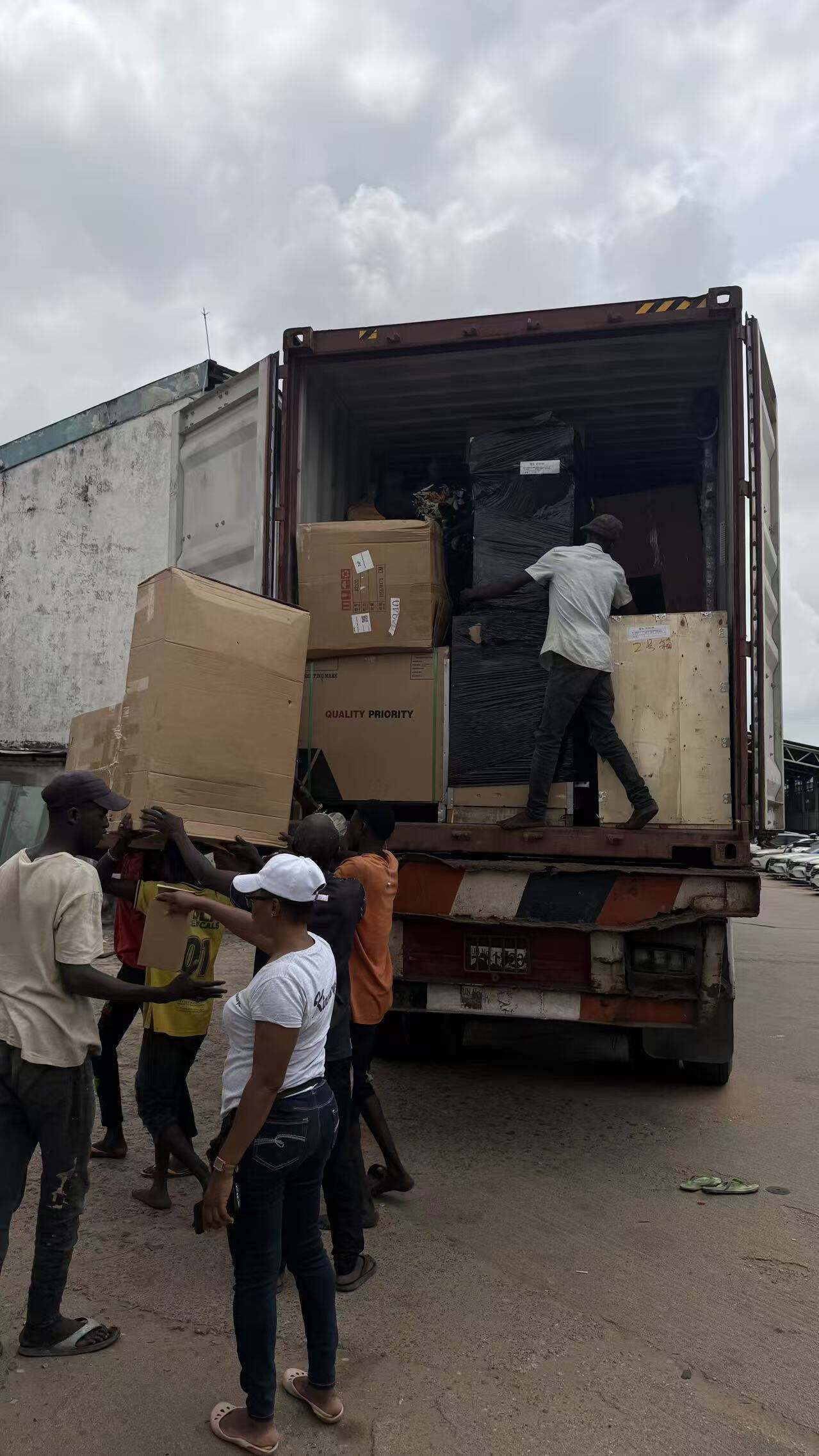
Modern industrial operations across multiple sectors frequently encounter transportation challenges that exceed standard shipping parameters. These situations require specialized oversized logistics solutions that can accommodate extraordinary dimensions, weights, and handling requirements. Understanding which industries rely most heavily on these capabilities provides valuable insight into the complexity and scope of contemporary supply chain management.
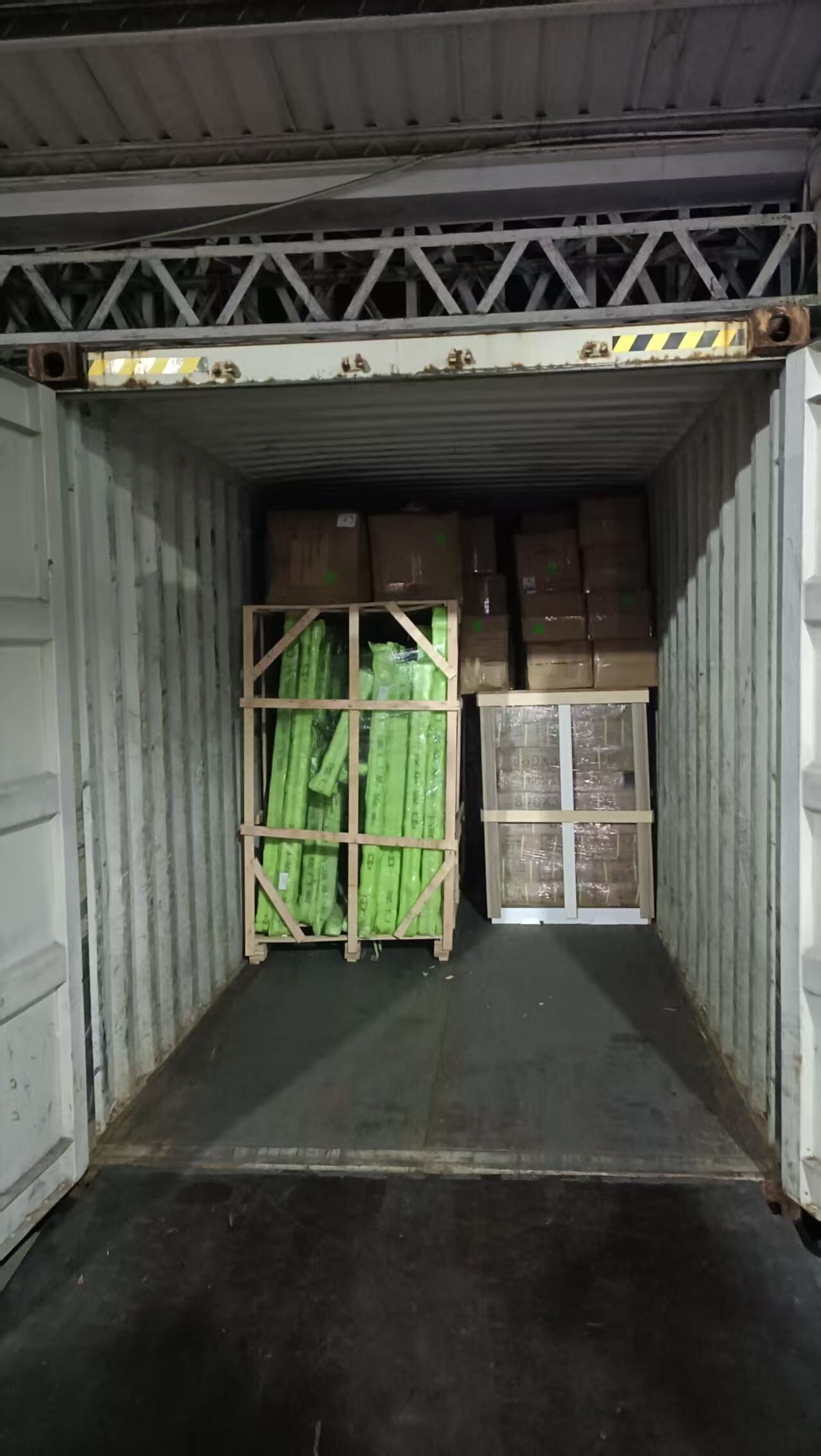
The demand for specialized transportation services continues expanding as industries push technological boundaries and develop increasingly sophisticated equipment. Companies operating in sectors requiring oversized logistics must navigate complex regulatory frameworks, coordinate specialized equipment, and manage intricate scheduling requirements. This comprehensive approach ensures successful delivery of critical components that standard freight services cannot accommodate.
Professional logistics providers have developed extensive expertise in handling exceptional cargo requirements across diverse industrial applications. These specialized services encompass route planning, permit acquisition, escort coordination, and custom packaging solutions. The investment in oversized logistics capabilities reflects the essential role these services play in supporting major industrial projects and infrastructure development worldwide.
Energy Sector Applications
Wind Energy Infrastructure
Wind energy projects represent one of the most demanding applications for oversized logistics services. Wind turbine components, including nacelles, blades, and tower sections, require specialized transportation solutions due to their exceptional dimensions and sensitive handling requirements. Individual wind turbine blades can exceed 150 feet in length, necessitating custom trailers and extensive route modifications to accommodate their transport.
The complexity of wind farm logistics extends beyond individual component transportation. Projects require coordinated delivery schedules to ensure proper assembly sequencing, often in remote locations with limited infrastructure access. Transportation providers must conduct detailed route surveys, obtain multiple permits across jurisdictions, and coordinate with utility companies to temporarily modify overhead power lines. These projects demonstrate the sophisticated planning capabilities required in modern oversized logistics operations.
Offshore wind installations present additional challenges requiring specialized marine transportation capabilities. Components must be transported to coastal staging areas and loaded onto specialized installation vessels. The timing coordination between land-based oversized logistics and marine operations requires precise scheduling to minimize weather-related delays and optimize installation windows.
Oil and Gas Equipment
The petroleum industry generates substantial demand for oversized logistics through various equipment categories including drilling rigs, processing modules, and pipeline components. Refinery construction projects require transportation of massive reactor vessels, distillation columns, and heat exchangers that can weigh several hundred tons and exceed standard road clearances by significant margins.
Offshore drilling platforms represent particularly complex oversized logistics challenges. Platform modules are often fabricated at specialized facilities and require transportation to port facilities for final assembly or direct installation. These movements involve coordination between multiple transportation modes and require specialized equipment capable of handling extreme weights and dimensions while maintaining structural integrity throughout the transport process.
Pipeline construction projects demand extensive oversized logistics coordination for pipe sections, pump stations, and compression equipment. Large-diameter pipeline sections require specialized trailers and handling equipment, while compressor stations involve multiple oversized components that must be delivered and positioned with precise timing to maintain construction schedules.
Manufacturing and Industrial Equipment
Heavy Machinery Transport
Manufacturing facilities across various industries regularly require oversized logistics for production equipment installation and replacement. Machine tools, printing presses, injection molding equipment, and industrial furnaces often exceed standard transportation limitations and require specialized handling throughout the delivery process. These movements frequently involve complex rigging operations for loading and unloading at both origin and destination facilities.
The automotive industry represents a significant consumer of oversized logistics services for manufacturing equipment transport. Stamping presses, paint booth systems, and automated assembly equipment require careful handling and precise positioning during installation. Vehicle assembly plants must coordinate equipment deliveries with production schedules to minimize operational disruptions while ensuring proper installation timing.
Aerospace manufacturing facilities require oversized logistics for specialized equipment including autoclaves, coordinate measuring machines, and aircraft assembly fixtures. These high-value components demand exceptional care during transportation and often require climate-controlled environments to maintain precision tolerances. The transportation process must accommodate stringent quality requirements while ensuring timely delivery to support production schedules.
Industrial Processing Equipment
Chemical processing industries rely heavily on oversized logistics for reactor vessels, storage tanks, and specialized processing equipment. These components often require custom fabrication and transportation solutions due to their unique specifications and handling requirements. Chemical plants must coordinate equipment deliveries with shutdown schedules to minimize production impact while ensuring proper installation procedures.
Food processing facilities regularly require oversized logistics for equipment including large-scale mixers, packaging systems, and refrigeration equipment. These deliveries often involve sensitive timing requirements to maintain product quality and production continuity. Specialized handling procedures ensure equipment integrity while accommodating facility access limitations and operational constraints.
Pharmaceutical manufacturing equipment represents another critical application for oversized logistics services. Clean room equipment, tablet presses, and packaging systems require exceptional care during transportation to maintain sterile conditions and precision calibration. These movements often involve specialized packaging and handling procedures to meet regulatory compliance requirements.
Construction and Infrastructure Development
Bridge and Highway Construction
Infrastructure projects represent substantial consumers of oversized logistics services through various construction phases. Bridge construction requires transportation of precast concrete segments, steel girders, and specialized construction equipment to project sites that may have limited access routes. These deliveries must coordinate with construction schedules while accommodating traffic management requirements and permit restrictions.
Highway construction projects require oversized logistics for equipment including asphalt plants, concrete batch plants, and heavy earthmoving machinery. These components often exceed standard transportation parameters and require specialized routes to reach construction sites. Project logistics coordinators must balance delivery schedules with construction progress while managing permit requirements across multiple jurisdictions.
Tunnel construction projects present unique oversized logistics challenges for tunnel boring machines and specialized excavation equipment. These massive machines often require disassembly for transportation and precise reassembly at project sites. The logistics process must accommodate complex urban environments and coordinate with existing infrastructure while maintaining strict delivery schedules.
Commercial Building Construction
High-rise construction projects regularly require oversized logistics for structural steel, precast concrete panels, and mechanical equipment. Tower cranes represent particularly challenging transport requirements due to their exceptional height when assembled and complex rigging requirements for installation. These deliveries must coordinate with urban traffic patterns while accommodating crane assembly schedules and construction sequencing.
Data center construction generates significant demand for oversized logistics through UPS systems, generators, and cooling equipment. These facilities require precise environmental control and backup power systems that often exceed standard shipping parameters. Transportation providers must ensure equipment integrity while accommodating facility security requirements and installation scheduling constraints.
Hospital construction projects require specialized oversized logistics for medical equipment including MRI machines, CT scanners, and linear accelerators. These sensitive instruments require exceptional care during transportation and often need custom packaging solutions to maintain calibration and prevent damage. Installation coordination must accommodate facility operations while ensuring proper equipment positioning and connection.
Mining and Resource Extraction
Mining Equipment Transport
The mining industry represents one of the most demanding sectors for oversized logistics due to equipment scale and remote site locations. Haul trucks, excavators, and processing equipment often require specialized transportation solutions to reach mining sites with challenging access conditions. These movements frequently involve custom trailers and route modifications to accommodate exceptional dimensions and weights.
Open-pit mining operations require continuous equipment replacement and expansion that generates ongoing oversized logistics requirements. Dragline excavators, bucket wheel excavators, and conveyor systems represent massive transportation challenges that require extensive planning and specialized equipment. Remote mine locations often necessitate temporary infrastructure improvements to accommodate equipment delivery.
Underground mining equipment presents unique transportation challenges due to size restrictions at mine entrances. Equipment must often be transported in components and assembled underground, requiring precise coordination between surface transportation and underground installation operations. These projects demand exceptional planning to ensure proper sequencing and avoid operational delays.
Processing Plant Equipment
Mineral processing facilities require oversized logistics for crushers, mills, and separation equipment that can weigh hundreds of tons. These components often require custom foundation preparation and precise positioning during installation. Transportation providers must coordinate with construction schedules while accommodating site access limitations and equipment assembly requirements.
Smelting and refining facilities generate substantial oversized logistics demand through furnaces, converters, and specialized processing equipment. These high-temperature applications require exceptional material specifications and precise installation procedures. Transportation must maintain equipment integrity while accommodating complex site logistics and construction scheduling requirements.
Tailings management systems represent another critical application requiring oversized logistics coordination. Thickeners, pumps, and pipeline systems must be transported to often remote locations with challenging access conditions. These projects require extensive environmental coordination and specialized handling procedures to ensure proper system installation and operation.
Technology and Data Infrastructure
Telecommunications Equipment
Telecommunications infrastructure development requires oversized logistics for cell tower sections, microwave equipment, and data center components. Cell tower installation projects must coordinate equipment delivery with construction crews while accommodating site access limitations and zoning restrictions. Specialized handling equipment ensures proper component protection during transportation and installation.
Fiber optic network expansion generates ongoing oversized logistics requirements for cable reels, splice enclosures, and transmission equipment. These projects often span multiple jurisdictions and require extensive permit coordination. Transportation providers must maintain cable integrity while accommodating installation scheduling and route optimization requirements.
Satellite communication facilities require oversized logistics for antenna systems, tracking equipment, and signal processing hardware. These sensitive installations demand precise positioning and calibration that begins during the transportation process. Specialized packaging and handling procedures ensure equipment performance while accommodating site security and operational requirements.
Data Center Infrastructure
Data center construction and expansion represent rapidly growing applications for oversized logistics services. Server racks, cooling systems, and backup power equipment often exceed standard shipping parameters and require specialized handling throughout the delivery process. These facilities operate continuously, requiring precise delivery scheduling to minimize operational disruption during equipment installation.
Cloud computing infrastructure expansion drives substantial demand for oversized logistics through massive server deployments and cooling equipment upgrades. Hyperscale data centers require coordinated delivery of thousands of server units along with supporting infrastructure components. These projects demand exceptional logistics coordination to maintain deployment schedules while ensuring equipment quality and performance.
Edge computing development creates new oversized logistics requirements for distributed infrastructure deployment. Micro data centers and edge computing nodes require specialized transportation solutions to reach diverse deployment locations. These installations must accommodate urban environments, remote locations, and various infrastructure constraints while maintaining strict performance requirements.
FAQ
What factors determine when oversized logistics services are required
Oversized logistics services become necessary when cargo exceeds standard legal limits for width, height, length, or weight on public roadways. Typically, loads exceeding 8.5 feet wide, 13.5 feet high, 53 feet long, or 80,000 pounds gross weight require specialized permits and handling. Additional factors include cargo fragility, value, and specific handling requirements that standard freight services cannot accommodate.
How do companies select appropriate oversized logistics providers
Selecting oversized logistics providers requires evaluating specialized equipment capabilities, permit acquisition expertise, insurance coverage, and project management experience. Companies should assess provider track records with similar cargo types, route planning capabilities, and coordination with regulatory authorities. Financial stability, safety records, and technical expertise in handling specific equipment types represent critical selection criteria for successful project completion.
What regulatory requirements govern oversized logistics operations
Oversized logistics operations must comply with federal DOT regulations, state transportation authorities, and local permit requirements. Regulations vary by jurisdiction and cargo characteristics, often requiring route studies, escort vehicles, restricted travel times, and specialized insurance coverage. International shipments involve additional customs regulations, security requirements, and documentation standards that must be coordinated across multiple agencies and jurisdictions.
How do weather conditions impact oversized logistics scheduling
Weather conditions significantly impact oversized logistics operations due to wind restrictions for high-profile loads, visibility requirements, and road surface conditions. Most jurisdictions prohibit oversized movements during adverse weather including high winds, heavy precipitation, or reduced visibility conditions. Project scheduling must incorporate weather contingencies and seasonal restrictions that may limit transportation windows, particularly for time-sensitive deliveries or remote location access.