
 EN
EN


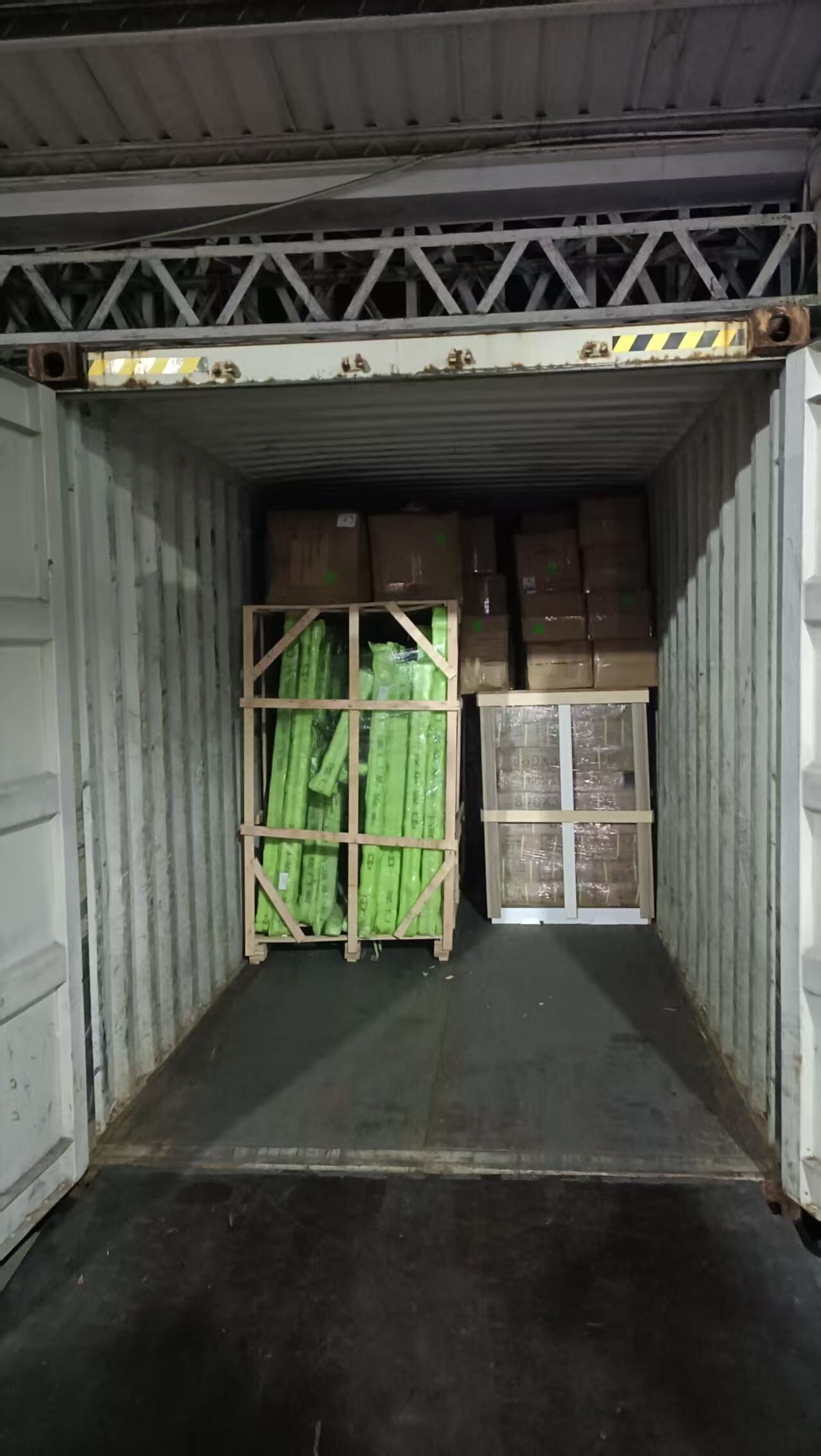
भारी माल के परिवहन का उपयोग आपूर्ति श्रृंखला की दक्षता को मौलिक रूप से बदल देता है, क्योंकि यह बड़े पैमाने पर औद्योगिक उपकरणों, मशीनरी और थोक सामग्रियों के परिवहन की अनुमति देता है, जो अन्यथा विनिर्माण और वितरण नेटवर्क में बाधाएँ उत्पन्न करते हैं। जब कंपनियाँ अतिवृद्धि घटकों, निर्माण सामग्रियों और औद्योगिक संपत्तियों को विश्वसनीय रूप से परिवहित कर सकती हैं, तो वे छोटे शिपमेंट विधियों पर निर्भर आपूर्ति श्रृंखलाओं में आमतौर पर देखे जाने वाले देरी और विखंडन को समाप्त कर देती हैं।
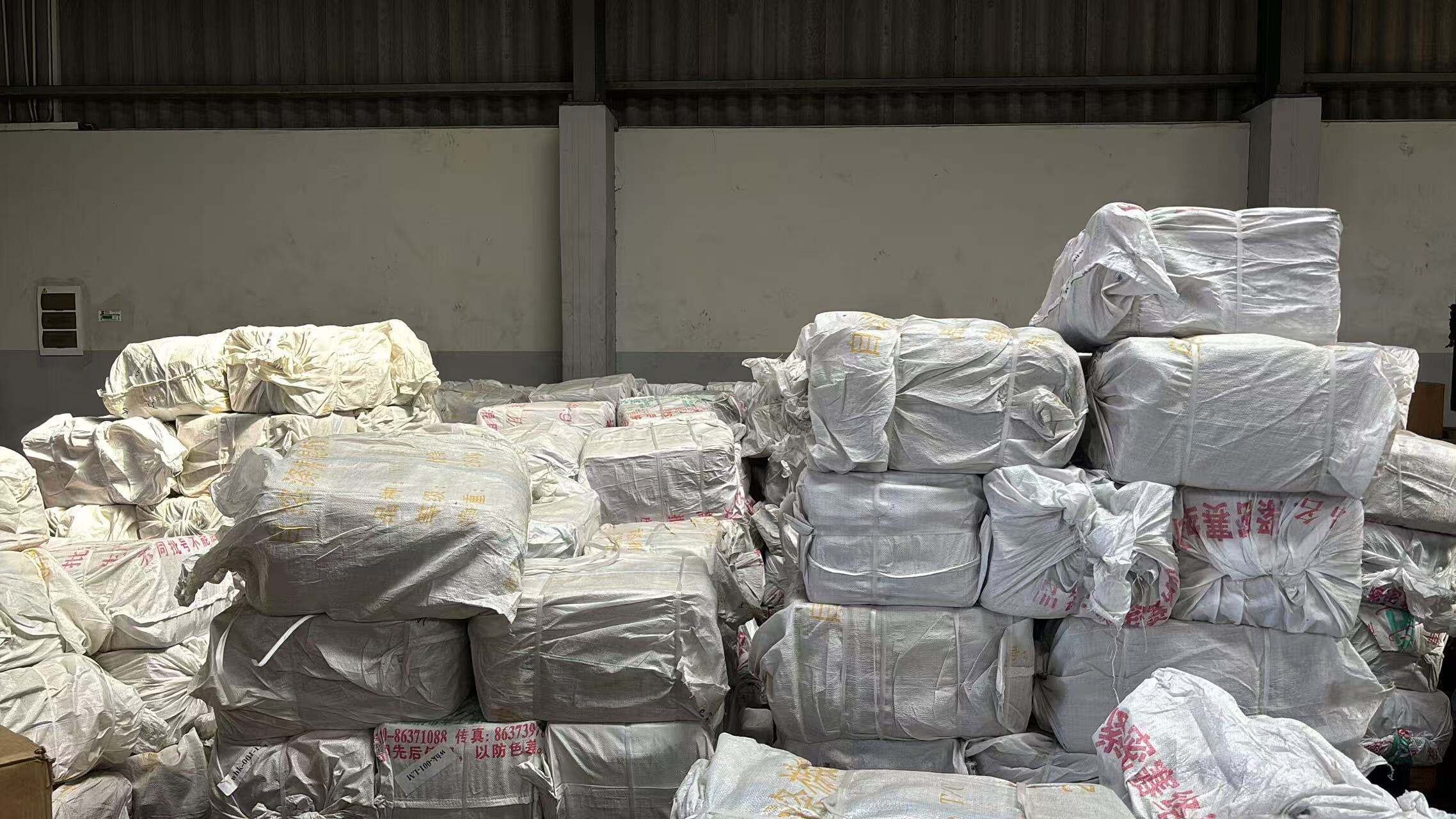
से प्राप्त दक्षता लाभ भारी कार्गो शिपिंग केवल परिवहन की गति तक ही सीमित नहीं हैं, बल्कि ये इन्वेंट्री प्रबंधन, उत्पादन अनुसूची और लागत अनुकूलन में श्रृंखलागत सुधार उत्पन्न करते हैं, जो पूरे आपूर्ति नेटवर्क में प्रभाव डालते हैं। जो कंपनियाँ भारी माल के लॉजिस्टिक्स में निपुणता प्राप्त कर लेती हैं, वे कम हैंडलिंग जटिलता, न्यूनतम भंडारण आवश्यकताओं और सरलीकृत डिलीवरी समन्वय के माध्यम से प्रतिस्पर्धात्मक लाभ प्राप्त करती हैं।
एकीकरण के लाभ और कम हैंडलिंग जटिलता
एकल-गति के लाभ
भारी माल के परिवहन से बड़े उपकरणों या सामग्रियों को छोटे घटकों में तोड़ने की आवश्यकता समाप्त हो जाती है, जिसके लिए पारंपरिक रूप से व्यापक विघटन, पैकेजिंग और पुनर्संयोजन प्रक्रियाओं की आवश्यकता होती है। इस एकल-गति दृष्टिकोण से खंडित परिवहन विधियों की तुलना में कुल हैंडलिंग समय में अधिकतम साठ प्रतिशत की कमी आती है, जबकि एकाधिक स्थानांतरण बिंदुओं पर क्षति के जोखिम में भी एक साथ कमी आती है।
निर्माण कंपनियाँ विशेष रूप से उत्पादन उपकरणों को सुविधाओं के बीच स्थानांतरित करने या ग्राहकों को पूर्ण प्रणालियाँ डिलीवर करने के दौरान इस एकीकरण से लाभान्वित होती हैं। पूरी असेंबली लाइनों, बड़े टर्बाइनों या निर्माण मॉड्यूलों को एकल इकाइयों के रूप में परिवहित करने की क्षमता उन समन्वयन चुनौतियों को रोकती है जो तब उत्पन्न होती हैं जब महत्वपूर्ण घटक अलग-अलग समय या स्थानों पर पहुँचते हैं।
भारी माल के परिवहन से छोटे शिपमेंट्स की तुलना में विशिष्ट पैकेजिंग की आवश्यकता कम हो जाती है, क्योंकि बड़ी वस्तुएँ अक्सर उनके विशिष्ट आयामों और भार वितरण को समायोजित करने के लिए डिज़ाइन किए गए विशेष ट्रेलर या जहाजों पर यात्रा करती हैं। इस पैकेजिंग कमी से सामग्री लागत कम होती है और लोडिंग की प्रक्रिया तेज़ हो जाती है।
श्रम दक्षता में सुधार
भारी माल के परिवहन में अंतर्निहित संकेंद्रण से आपूर्ति श्रृंखला के विभिन्न चरणों पर लोडिंग, अनलोडिंग और इन्वेंट्री प्रबंधन के लिए आवश्यक श्रम घंटों में काफी कमी आती है। बजाय एकाधिक छोटे शिपमेंट्स के समन्वय के, जिनमें से प्रत्येक को अलग-अलग संभाल, प्राप्ति और दस्तावेज़ीकरण की आवश्यकता होती है, आपूर्ति श्रृंखला की टीमें एकल बड़े परिवहन का प्रबंधन करती हैं, जो समान सामग्री स्थानांतरण उद्देश्यों को पूरा करता है।
भंडार ऑपरेशन्स में भारी माल के शिपमेंट प्राप्त करने के दौरान विशेष रूप से दक्षता में वृद्धि होती है, क्योंकि वे विशिष्ट डिलीवरी समय सीमाओं के लिए समर्पित टीमों और उपकरणों को आवंटित कर सकते हैं, बजाय लंबी अवधि के दौरान बार-बार छोटे डिलीवरी के साथ निरंतर कर्मचारी आवश्यकताओं को संभालने के लिए निरंतर कर्मचारी स्तर बनाए रखने के। इस केंद्रित दृष्टिकोण के कारण संसाधनों की बेहतर योजना बनाई जा सकती है और अप्रत्याशित आगमन के समय के कारण ओवरटाइम लागत में कमी आती है।
गुणवत्ता नियंत्रण प्रक्रियाएँ भी भारी माल के शिपिंग समेकन से लाभान्वित होती हैं, क्योंकि निरीक्षण टीमें पूर्ण प्रणालियों या बड़ी मात्रा में सामग्री का मूल्यांकन एकल सत्रों में कर सकती हैं, बजाय बार-बार छोटी डिलीवरी के लिए गुणवत्ता जाँच करने के। इससे गुणवत्ता आश्वासन से संबंधित समय और लागत दोनों में कमी आती है, जबकि व्यापक निरीक्षण मानकों को बनाए रखा जाता है।
इन्वेंट्री अनुकूलन और भंडारण दक्षता
सुरक्षा स्टॉक आवश्यकताओं में कमी
भारी माल का परिवहन कंपनियों को कम सुरक्षा स्टॉक स्तर बनाए रखने में सक्षम बनाता है, क्योंकि बड़े शिपमेंट के अनुसूचित समय और विश्वसनीयता से अनिश्चितता कम हो जाती है, जो आमतौर पर अतिरिक्त इन्वेंट्री के संचय को प्रेरित करती है। जब कंपनियाँ बल्क सामग्री की पूर्ति या प्रमुख उपकरण घटकों के प्रतिस्थापन के लिए निर्धारित समय पर भारी माल की डिलीवरी पर निर्भर हो सकती हैं, तो वे आपूर्ति विसंगतियों के खिलाफ सुरक्षा के लिए व्यापक बफर स्टॉक बनाए रखने की आवश्यकता नहीं रखतीं।
यह इन्वेंट्री कमी विशेष रूप से उन कंपनियों के लिए मूल्यवान हो जाती है जो महंगी औद्योगिक सामग्री, दुर्लभ मृदा तत्वों या विशिष्ट मशीनरी घटकों के साथ काम करती हैं, जहाँ धारण लागतें लाभप्रदता को काफी प्रभावित करती हैं। भारी माल का परिवहन इन कंपनियों को उनकी सबसे बड़ी और सबसे मूल्यवान इन्वेंट्री वस्तुओं के लिए भी जस्ट-इन-टाइम सिद्धांतों के अनुसार संचालित होने की अनुमति देता है।
भारी माल के परिवहन के समयसूची की भविष्यवाणि करने की संभावना से मांग के पूर्वानुमान में भी सुधार होता है, क्योंकि कंपनियाँ अपने उत्पादन कार्यक्रम को प्रमुख सामग्री आदानों के लिए ज्ञात डिलीवरी समय-सीमाओं के आसपास योजनाबद्ध कर सकती हैं। इस प्रकार परिवहन समयसूची और उत्पादन योजना के बीच समन्वय दोनों भंडारण धारण लागत और शेयरआउट के जोखिम को कम करता है, जो विनिर्माण कार्यों को रोक सकता है।
भंडारण स्थान का उपयोग
भारी माल के परिवहन से छोटे, आवृत्ति वाले वितरणों की तुलना में व्यापक स्टेजिंग क्षेत्रों की आवश्यकता समाप्त हो जाती है, जिससे भंडारण स्थान का उपयोग बेहतर होता है। लगातार छोटे शिपमेंट्स के लिए कई प्राप्ति डॉक और अस्थायी भंडारण क्षेत्रों को बनाए रखने के बजाय, सुविधाएँ योजनाबद्ध डिलीवरी घटनाओं के दौरान स्थान की दक्षता को अधिकतम करने के लिए समर्पित भारी माल प्राप्ति क्षेत्रों की डिज़ाइन कर सकती हैं।
भारी माल के शिपमेंट्स का संक्षिप्त या एकीकृत स्वरूप भंडारों को अधिक कुशल भंडारण व्यवस्था लागू करने की अनुमति देता है, क्योंकि बड़ी वस्तुओं को मध्यवर्ती हैंडलिंग स्टेशनों की आवश्यकता के बिना सीधे उनके अंतिम भंडारण स्थानों पर स्थापित किया जा सकता है। यह सीधी स्थापना समकक्ष सामग्री मात्रा के लिए आवश्यक कुल भंडार के क्षेत्रफल को उन प्रणालियों की तुलना में कम कर देती है जो छोटे शिपमेंट्स के हैंडलिंग के आसपास डिज़ाइन की गई हैं।
कंपनियाँ भारी माल के परिवहन से संबंधित भंडारण जटिलता में कमी से भी लाभान्वित होती हैं, क्योंकि छोटे डिलीवरी के माध्यम से प्राप्त समकक्ष सामग्री की तुलना में ट्रैकिंग, स्थान प्रबंधन और साइकिल काउंटिंग के लिए कम व्यक्तिगत वस्तुओं की आवश्यकता होती है। यह सरलीकरण श्रम लागत और इन्वेंट्री प्रबंधन प्रणाली की आवश्यकताओं दोनों को कम कर देता है।
परिवहन लागत अनुकूलन और मार्ग दक्षता
शिपिंग में आकार के अर्थव्यवस्था
भारी माल के परिवहन के माध्यम से आकार के अर्थव्यवस्था के माध्यम से महत्वपूर्ण लागत अनुकूलन प्राप्त किया जाता है, जिसे छोटे शिपमेंट रणनीतियों के माध्यम से पुनरुत्पादित नहीं किया जा सकता है। जब बड़ी मात्रा या अतिरिक्त आकार के वस्तुओं को एकल शिपमेंट में ले जाया जाता है, तो प्रति-इकाई परिवहन लागत में काफी कमी आती है, क्योंकि विशेषीकृत परिवहन उपकरणों, मार्ग योजना और विनियामक अनुपालन की स्थिर लागत बड़े माल मूल्यों पर फैल जाती है।
विशेषीकृत भारी माल वाहक अपने उपकरण उपयोग को उच्च-मूल्य और उच्च-आयतन गतिविधियों पर केंद्रित करके अनुकूलित कर सकते हैं, बजाय उन कई छोटे शिपमेंट्स के प्रबंधन के जिनके लिए समान परिवहन बुनियादी ढांचे की आवश्यकता होती है, लेकिन जो प्रति मील कम राजस्व उत्पन्न करते हैं। यह दक्षता वाहकों को भारी माल के परिवहन के लिए प्रतिस्पर्धात्मक मूल्य प्रदान करने की अनुमति देती है, जबकि लाभदायक संचालन बनाए रखा जाता है।
भारी माल के परिवहन के लागत लाभ विशेष रूप से अंतर्राष्ट्रीय परिवहन के मामले में स्पष्ट हो जाते हैं, जहाँ सीमा शुल्क प्रसंस्करण, दस्तावेज़ीकरण और बंदरगाह परिचालन शुल्क भेजे गए माल के आकार के बावजूद अपेक्षाकृत स्थिर रहते हैं। अंतर्राष्ट्रीय स्तर पर बड़े औद्योगिक उपकरणों या थोक सामग्री का परिवहन करने वाली कंपनियाँ अपने अंतर्राष्ट्रीय परिवहन को कई छोटे-छोटे अंतर्राष्ट्रीय लेन-देन के बजाय भारी माल के एकल शिपमेंट में एकीकृत करके महत्वपूर्ण लागत बचत प्राप्त कर सकती हैं।
मार्ग अनुकूलन और ईंधन दक्षता
भारी माल के परिवहन के माध्यम से उत्कृष्ट मार्ग अनुकूलन संभव होता है, क्योंकि परिवहन योजनाकार छोटे शिपमेंट के लिए डिज़ाइन किए गए सामान्य माल वाहन नेटवर्क में भारी वस्तुओं को फिट करने के बजाय, कुल परिवहन लागत को न्यूनतम करने के लिए बड़े और मूल्यवान शिपमेंट के लिए विशिष्ट मार्गों की योजना बना सकते हैं। इस विशिष्ट मार्ग निर्धारण के कारण अक्सर अधिक सीधे मार्ग और मध्यवर्ती टर्मिनलों पर कम हैंडलिंग का परिणाम निकलता है।
ईंधन दक्षता में सुधार भारी माल वाहन परिवहन के माध्यम से बेहतर लोड संयोजन और कई छोटे-छोटे शिपमेंट्स को संभालने वाली परिवहन प्रणालियों की तुलना में खाली किलोमीटर को कम करने से उभरता है। भारी माल वाहक वापसी यात्रा (बैकहॉल) के अवसरों की अधिक प्रभावी योजना बना सकते हैं और उच्च उपकरण उपयोग दर बनाए रख सकते हैं, जिससे ईंधन लागत को बड़े राजस्व आधार पर वितरित किया जा सके।
भारी माल परिवहन के लिए योजना आयुध (प्लानिंग हॉरिज़न) ईंधन खरीद रणनीतियों और मार्ग अनुकूलन सॉफ़्टवेयर के साथ बेहतर समन्वय की अनुमति देता है, क्योंकि परिवहन प्रबंधक ईंधन की आदर्श कीमत वाली अवधि के दौरान भारी माल के परिवहन की योजना बना सकते हैं और कुल नेटवर्क परिवहन लागत को न्यूनतम करने के लिए अन्य निर्धारित गतिविधियों के साथ समन्वय कर सकते हैं।
सप्लाई चेन समन्वय और योजना के लाभ
डिलीवरी की भविष्यवाणी में सुधार
भारी माल के परिवहन से आपूर्ति श्रृंखला के समन्वय में उल्लेखनीय सुधार होता है, क्योंकि इससे डिलीवरी की भविष्यवाणी करने की क्षमता में वृद्धि होती है, जिससे आपूर्ति श्रृंखला के सभी प्रतिभागी अपनी गतिविधियों की योजना पुष्टिकृत गतिविधि अनुसूचियों के आधार पर बना सकते हैं। छोटे आकार के शिपमेंट्स के विपरीत, जो क्षमता की सीमाओं के कारण बार-बार देरी या पुनर्निर्धारित किए जाने के शिकार हो सकते हैं, भारी माल के परिवहन को आमतौर पर प्राथमिकता वाली अनुसूची और समर्पित परिवहन संसाधन प्रदान किए जाते हैं।
यह भविष्यवाणी करने की क्षमता विनिर्माण सुविधाओं को भारी माल की डिलीवरी की समय सीमा के साथ अपने उत्पादन कार्यक्रमों का समन्वय करने में सक्षम बनाती है, जिससे महत्वपूर्ण उपकरण स्थापना, प्रमुख कच्चे माल की आपूर्ति या बड़े घटकों की डिलीवरी योजनाबद्ध उत्पादन गतिविधियों के साथ संरेखित रहती है। इसका परिणाम पूरी आपूर्ति श्रृंखला में अवधि कम होना और संसाधनों का बेहतर उपयोग होता है।
भारी माल के परिवहन के माध्यम से नीचले स्तर के आपूर्ति श्रृंखला के साझेदारों के साथ बेहतर समन्वय सुविधाजनक बनाया जाता है, क्योंकि बड़ी मात्रा में सामग्री के आगमन के भविष्यवाणि योग्य समय के कारण वितरण गतिविधियों, स्थापना कार्यक्रमों और ग्राहक डिलीवरी प्रतिबद्धताओं की पूर्व-योजना बनाई जा सकती है। यह समन्वय आमतौर पर परिवहन अनिश्चितताओं को समायोजित करने के लिए आवश्यक बफर समय को कम करता है।
समकालिक उत्पादन अनुसूचीकरण
भारी माल के परिवहन की अनुसूची विश्वसनीयता एकाधिक सुविधाओं और आपूर्ति श्रृंखला के स्तरों के आरोपित उत्पादन योजना को सक्षम बनाती है। कंपनियाँ अपने भारी माल के शिपमेंट को उत्पत्ति और गंतव्य सुविधाओं दोनों पर उत्पादन कार्यक्रमों के साथ समन्वित कर सकती हैं, जिससे यह सुनिश्चित होता है कि विनिर्माण गतिविधियाँ सामग्री की उपलब्धता और उपकरण तैनाती कार्यक्रमों के साथ संरेखित हों।
यह समकालिकता उन उद्योगों में विशेष रूप से मूल्यवान हो जाती है, जहाँ उत्पादन प्रक्रियाओं के लिए बड़े इनपुट या विशिष्ट उपकरणों की आवश्यकता होती है, जो भारी माल के समुद्री परिवहन के माध्यम से आते हैं। निर्माण प्रबंधक पुष्टि किए गए भारी माल के डिलीवरी समय-सीमा के आधार पर रखरखाव के कार्यक्रम, कार्यबल के आवंटन और उत्पादन क्रम की योजना बना सकते हैं, जिससे निष्क्रिय समय और जल्दबाज़ी में अनुसूची बनाने की लागत दोनों कम हो जाती है।
भारी माल का परिवहन आपूर्तिकर्ताओं और निर्माताओं के बीच बेहतर एकीकरण का भी समर्थन करता है, क्योंकि दोनों पक्ष निर्धारित भारी माल के परिवहन के आधार पर अपने संचालन की योजना बना सकते हैं, बजाय अनिश्चित डिलीवरी समय को समायोजित करने के लिए लचीली क्षमता बनाए रखने के। यह एकीकरण कुल प्रणाली लागत को कम करता है, जबकि अंतिम ग्राहकों के लिए सेवा विश्वसनीयता में सुधार करता है।
जोखिम न्यूनीकरण और आपूर्ति श्रृंखला की लचीलापन
क्षति और हानि के जोखिम में कमी
भारी माल के परिवहन से आपूर्ति श्रृंखला के समग्र जोखिम में कमी आती है, क्योंकि इससे उन हैंडलिंग घटनाओं की संख्या कम हो जाती है जिनके कारण महत्वपूर्ण सामग्री और उपकरणों को क्षति या हानि का खतरा हो सकता है। जब बड़ी वस्तुएँ समर्पित हैंडलिंग प्रक्रियाओं के साथ एकल शिपमेंट के रूप में यात्रा करती हैं, तो उन्हें कम ट्रांसफर बिंदुओं का सामना करना पड़ता है और बार-बार लोडिंग और अनलोडिंग चक्रों के कारण होने वाली क्षति के जोखिम के प्रति उनकी अनावश्यक उजागरता कम हो जाती है।
भारी माल के परिवहन में उपयोग किए जाने वाले विशिष्ट उपकरण और प्रक्रियाएँ मूल्यवान वस्तुओं की बेहतर सुरक्षा प्रदान करती हैं, जो सामान्य माल भाड़ा प्रणालियों की तुलना में अधिक उपयुक्त होती हैं, क्योंकि ये प्रणालियाँ अतिवृद्धि या उच्च-मूल्य वाले माल के लिए अनुकूलित नहीं हो सकती हैं। यह सुरक्षा न केवल प्रत्यक्ष प्रतिस्थापन लागत को कम करती है, बल्कि जब महत्वपूर्ण वस्तुओं को क्षति पहुँचती है, तो आपूर्ति श्रृंखला में व्यवधान के कारण उत्पन्न होने वाली अप्रत्यक्ष लागतों को भी कम करती है।
भारी माल के परिवहन के लिए बीमा लागत अक्सर इन कम जोखिम वाले प्रोफाइल को दर्शाती है, जिससे एक ही मूल्य के कई छोटे शिपमेंट्स के बीमा की तुलना में अतिरिक्त लागत बचत प्रदान की जाती है। भारी माल के परिवहन के लिए आवश्यक व्यापक दस्तावेज़ीकरण और विशिष्ट संभाल प्रक्रियाएँ भी घटना घटित होने पर अधिक अनुकूल बीमा शर्तों और त्वरित दावा निपटान का समर्थन करती हैं।
आपूर्ति श्रृंखला में अतिरेक और लचीलापन
भारी माल के परिवहन की क्षमताएँ कंपनियों को छोटे शिपमेंट नेटवर्क को प्रभावित करने वाली परिवहन सीमाओं से बंधे बिना विविध भौगोलिक स्थानों से बड़ी सामग्री और उपकरणों की आपूर्ति करने की अनुमति देकर आपूर्ति श्रृंखला में अतिरेक प्रदान करती हैं। यह लचीलापन कंपनियों को परिवहन केंद्रों के निकटता के आधार पर नहीं, बल्कि गुणवत्ता और लागत के कारकों के आधार पर अपने आपूर्तिकर्ता का चयन करने में अनुकूल बनाता है।
भारी माल के परिवहन की क्षमता आपूर्ति श्रृंखला में व्यवधान के दौरान भी लचीलापन प्रदान करती है, क्योंकि कंपनियाँ अपने प्राथमिक आपूर्ति चैनलों पर बाधाएँ आने पर तुरंत वैकल्पिक आपूर्तिकर्ताओं या परिवहन मार्गों की ओर झुक सकती हैं। यह लचीलापन विशेष रूप से आर्थिक व्यवधानों या सामान्य माल परिवहन नेटवर्कों को प्रभावित करने वाली क्षमता की कमी के दौरान अत्यधिक मूल्यवान सिद्ध होता है।
भारी माल के परिवहन के लिए बुनियादी ढांचे में निवेश करने से लंबे समय तक आपूर्ति श्रृंखला की लचीलापन भी सुदृढ़ होती है, क्योंकि इससे कंपनियों को अपने लॉजिस्टिक्स नेटवर्क में मौलिक परिवर्तन किए बिना आपूर्ति श्रृंखला के विकास और विस्तार को संभालने की क्षमता प्राप्त होती है। जैसे-जैसे कंपनियाँ अपने संचालन का विस्तार करती हैं या नए बाजारों में प्रवेश करती हैं, मौजूदा भारी माल परिवहन क्षमताएँ स्केलेबल विकास रणनीतियों का समर्थन करती हैं।
अक्सर पूछे जाने वाले प्रश्न
कौन-से प्रकार के उद्योग भारी माल के परिवहन की दक्षता में सुधार से सबसे अधिक लाभान्वित होते हैं?
उद्योग जो बड़े उपकरणों, थोक सामग्री या अतिवृद्ध आकार के घटकों को संभालते हैं, भारी माल वाहन परिवहन से सबसे अधिक दक्षता लाभ प्राप्त करते हैं, जिनमें निर्माण, विनिर्माण, ऊर्जा उत्पादन, खनन और एयरोस्पेस शामिल हैं। ये उद्योग आमतौर पर ऐसी वस्तुओं के साथ काम करते हैं जिन्हें छोटे शिपमेंट में प्रभावी ढंग से विभाजित नहीं किया जा सकता है और जिनके लिए विशेषीकृत परिवहन समाधानों की आवश्यकता होती है, जो भारी माल वाहन परिवहन द्वारा सबसे कुशलतापूर्ण रूप से प्रदान किए जाते हैं।
भारी माल वाहन परिवहन परिवहन बचत के अतिरिक्त कुल आपूर्ति श्रृंखला लागत को कैसे कम करता है?
भारी माल वाहन परिवहन कुल आपूर्ति श्रृंखला लागत को कम करता है इस प्रकार कि हैंडलिंग श्रम में कमी आती है, इन्वेंट्री धारण लागत कम होती है, पैकेजिंग आवश्यकताओं में कमी आती है, गुणवत्ता नियंत्रण प्रक्रियाएँ सरल हो जाती हैं और भंडारण स्थान की आवश्यकता कम हो जाती है। ये अप्रत्यक्ष लागत बचतें अक्सर प्रत्यक्ष परिवहन लागत के लाभों से अधिक होती हैं, जिससे भारी माल वाहन परिवहन एक व्यापक आपूर्ति श्रृंखला अनुकूलन रणनीति बन जाता है, न कि केवल एक परिवहन समाधान।
क्या छोटी और मध्यम आकार की कंपनियाँ भारी माल के परिवहन के लाभों तक पहुँच प्राप्त कर सकती हैं?
छोटी और मध्यम आकार की कंपनियाँ माल के संयुक्त परिवहन सेवाओं, तृतीय-पक्ष लॉजिस्टिक्स प्रदाताओं और अन्य कंपनियों के साथ साझा भारी माल परिवहन व्यवस्थाओं के माध्यम से भारी माल के परिवहन के लाभों तक पहुँच प्राप्त कर सकती हैं। कई लॉजिस्टिक्स सेवा प्रदाता भारी माल के परिवहन की क्षमताएँ प्रदान करते हैं, जिससे छोटी कंपनियाँ विशिष्ट परिवहन बुनियादी ढांचे में प्रत्यक्ष निवेश के बिना भी समान दक्षता लाभ प्राप्त कर सकती हैं।
भारी माल के परिवहन की दक्षता को अधिकतम करने के लिए कौन-से योजना निर्माण संबंधी विचार आवश्यक हैं?
सफल भारी माल के परिवहन के लिए डिलीवरी के समय, साइट तक पहुँच की आवश्यकताओं, हैंडलिंग उपकरणों की उपलब्धता और उत्पादन कार्यक्रमों के साथ समन्वय के लिए पूर्व योजना आवश्यक है। कंपनियों को विनियामक अनुपालन, बीमा आवश्यकताओं और संभावित देरी या जटिलताओं के लिए आपातकालीन प्रक्रियाओं की भी योजना बनानी चाहिए, जो पूरे आपूर्ति श्रृंखला कार्यक्रम को प्रभावित कर सकती हैं।
सामग्री की तालिका
- एकीकरण के लाभ और कम हैंडलिंग जटिलता
- इन्वेंट्री अनुकूलन और भंडारण दक्षता
- परिवहन लागत अनुकूलन और मार्ग दक्षता
- सप्लाई चेन समन्वय और योजना के लाभ
- जोखिम न्यूनीकरण और आपूर्ति श्रृंखला की लचीलापन
-
अक्सर पूछे जाने वाले प्रश्न
- कौन-से प्रकार के उद्योग भारी माल के परिवहन की दक्षता में सुधार से सबसे अधिक लाभान्वित होते हैं?
- भारी माल वाहन परिवहन परिवहन बचत के अतिरिक्त कुल आपूर्ति श्रृंखला लागत को कैसे कम करता है?
- क्या छोटी और मध्यम आकार की कंपनियाँ भारी माल के परिवहन के लाभों तक पहुँच प्राप्त कर सकती हैं?
- भारी माल के परिवहन की दक्षता को अधिकतम करने के लिए कौन-से योजना निर्माण संबंधी विचार आवश्यक हैं?