
 EN
EN



Freight Forwarding Defined: The Strategic Role in Global Supply Chains
Freight forwarding is the professional coordination of international shipping—managing the movement of goods from origin to destination through a single point of contact. Rather than merely booking cargo space, a freight forwarder acts as a strategic logistics architect: selecting optimal carriers, consolidating shipments to reduce costs, and navigating multimodal transport across sea, air, and land. This role directly supports global supply chain resilience. According to the World Trade Organization, maritime transport alone handles over 80% of global merchandise trade by volume (WTO 2023), making expert routing and compliance oversight essential. Forwarders mitigate risks by anticipating disruptions, ensuring regulatory adherence, and providing visibility that enables businesses to scale cross-border operations with confidence. By integrating transportation, documentation, and customs clearance, freight forwarding transforms a fragmented shipping process into a streamlined, competitive advantage for importers and exporters.
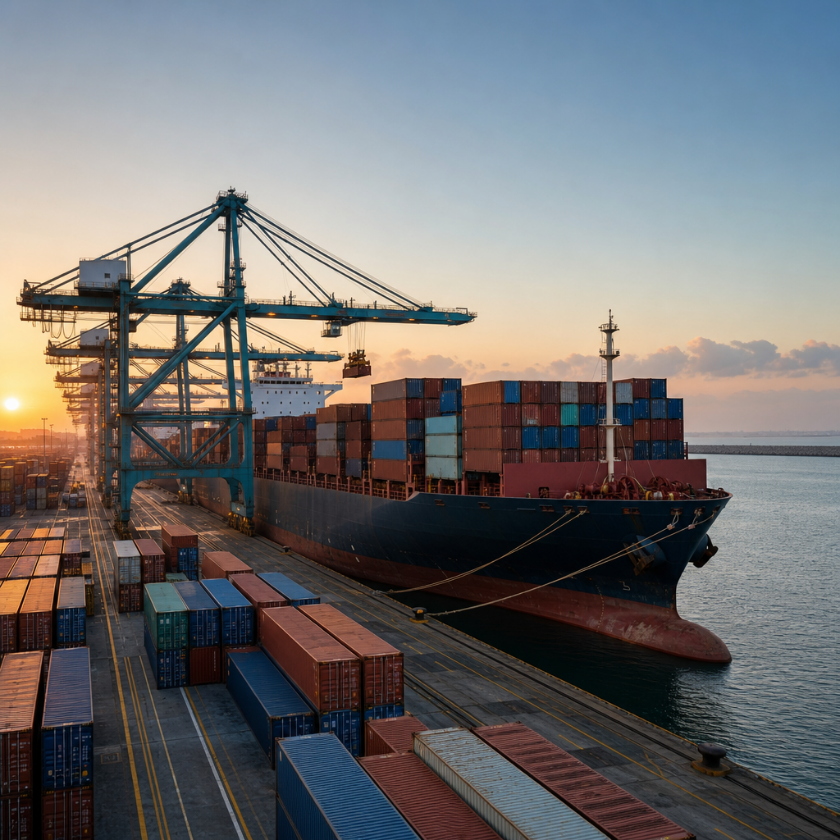
End-to-End Freight Forwarding Services: From Origin to Final Delivery
End-to-end freight forwarding is a complete logistics solution that manages every step—from the shipper’s warehouse to the final consignee. This integrated approach gives businesses total control and reduces handover risks. A single expert partner coordinates the entire journey, replacing fragmented, multi-vendor management.
Pre-shipment coordination: Export haulage, carrier booking, and multimodal routing
The process begins with meticulous pre-shipment coordination—confirming shipment details such as weight, volume, and route. The freight forwarder arranges export haulage, moving goods from the seller’s location to the port or airport of departure. A critical decision at this stage is carrier selection and multimodal routing: combining road, rail, ocean, or air transport to balance cost, speed, and reliability. Early-stage planning prevents downstream delays and ensures seamless movement from the first mile onward.
Customs compliance and documentation handling at origin and destination
Navigating customs is a core regulatory responsibility. Freight forwarders prepare and submit precise documentation—including the commercial invoice, packing list, and bill of lading—and manage both export clearance at origin and import entry at destination. This includes calculating and paying duties and taxes while ensuring strict compliance with bilateral trade laws. A single documentation error can trigger costly inspections, demurrage, or cargo holds. Effective management here serves as preventive risk control—especially important given that customs delays can increase overall logistics costs by up to 15%, according to the World Bank (2023).
In-transit visibility, arrival management, and last-mile warehouse delivery
This phase delivers real-time monitoring from departure to arrival. Once the carrier issues the Bill of Lading or Air Waybill, the forwarder tracks vessel or flight movement and proactively manages the arrival process—including cargo unloading, temporary storage in bonded warehouses if needed, and final delivery to the buyer’s distribution center or retail location. A unified logistics chain minimizes touchpoints, significantly reducing handling-related damage and ensuring on-time, confirmed delivery.
Essential Documentation and Regulatory Responsibilities in Freight Forwarding
In freight forwarding, accurate documentation forms the backbone of compliant cross-border trade. Every shipment must carry a set of core documents that verify the goods’ identity, value, origin, and transportation terms. Missing or incorrect paperwork can trigger customs holds, storage fees, or even seizure of cargo. A 2023 industry survey from FIATA found that roughly 45% of customs delays stem from documentation errors—underscoring the need for precision. Freight forwarders manage this paper trail, ensuring alignment among the commercial invoice (which establishes customs valuation), packing list (for inspection readiness), and bill of lading (serving as receipt, contract of carriage, and title document).
Beyond documentation, forwarders shoulder complex regulatory responsibilities: classifying goods under accurate Harmonized System (HS) codes; filing export declarations (e.g., the Shipper’s Export Declaration) and import entry summaries; and adhering to trade sanctions, dual-use restrictions, and country-specific controls. Statutory record-keeping requirements—typically five years—ensure audit readiness. By acting as the central bridge among shippers, carriers, and customs authorities, forwarders that prioritize documentation accuracy and regulatory compliance not only mitigate risk but also keep international supply chains moving without interruption.
Why Businesses Rely on Freight Forwarding for Scalable, Compliant International Shipping
Businesses of all sizes turn to freight forwarding to navigate the complexity of cross-border trade without building in-house logistics teams. Forwarders provide flexible solutions that scale seamlessly—from a single pallet to thousands of containers—adapting to shifting volumes and new markets. They maintain up-to-date expertise on evolving customs regulations, tariff classifications, and trade agreements across every destination, reducing the risk of delays, fines, or cargo holds. By handling document preparation, compliance checks, and carrier selection, forwarders enable shippers to focus on core operations while meeting international trade requirements. They also offer risk-mitigation strategies—including cargo insurance and contingency routing—to ensure continuity during port congestion or geopolitical disruptions. Their consolidated buying power often secures competitive rates, and integrated tracking tools deliver end-to-end visibility.
FAQs
What is the key role of a freight forwarder?
A freight forwarder acts as a strategic logistics architect, coordinating international shipping by selecting optimal carriers, consolidating shipments, and ensuring regulatory compliance while navigating multimodal transport.
What does end-to-end freight forwarding involve?
It covers the entire logistics process—from export haulage at the origin to last-mile warehouse delivery at the destination, including booking carriers, documentation handling, and customs compliance.
Why is documentation critical in freight forwarding?
Accurate documentation ensures compliance with customs regulations, prevents delays, and reduces risks such as storage fees or seizure due to errors.
How do freight forwarders help with customs compliance?
Forwarders prepare and submit necessary documentation, classify goods under accurate HS codes, and ensure adherence to trade laws at both the origin and destination.
Why do businesses choose freight forwarders?
Businesses rely on freight forwarders for scalable, compliant international shipping without the need for in-house logistics teams. Forwarders provide expertise, risk mitigation, and competitive rates.
Table of Contents
- Freight Forwarding Defined: The Strategic Role in Global Supply Chains
- End-to-End Freight Forwarding Services: From Origin to Final Delivery
- Essential Documentation and Regulatory Responsibilities in Freight Forwarding
- Why Businesses Rely on Freight Forwarding for Scalable, Compliant International Shipping
- FAQs