
 EN
EN


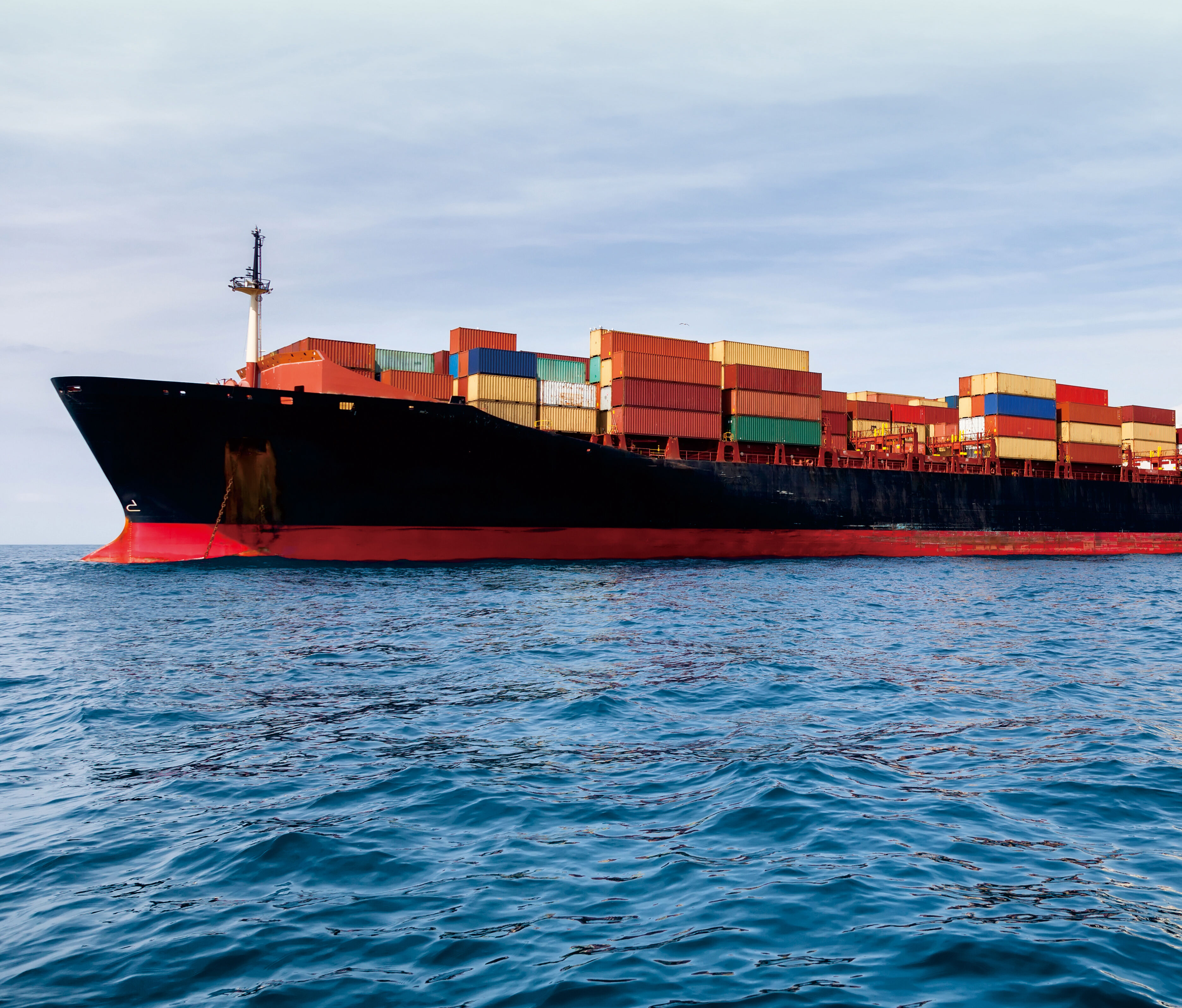
ຄ່າຂົນສົ່ງທາງອາກາດລະຫວ່າງປະເທດ ແມ່ນເປັນໜຶ່ງໃນປັດໄຈທີ່ສຳຄັນທີ່ສຸດໃນການຈັດການສາຍການສະໜອງທົ່ວໂລກ, ໂດຍມີຮູບແບບການກຳນົດລາຄາທີ່ສາມາດປ່ຽນແປງໄດ້ຢ່າງຮຸນແຮງຕາມປັດໄຈທີ່ເຊື່ອມຕໍ່ກັນຫຼາຍດ້ານ. ການເຂົ້າໃຈປັດໄຈທີ່ກ່ຽວຂ້ອງກັບຄ່າໃຊ້ຈ່າຍເຫຼົ່ານີ້ ແມ່ນມີຄວາມຈຳເປັນຕໍ່ທຸລະກິດທີ່ຕ້ອງການປັບປຸງຄ່າໃຊ້ຈ່າຍດ້ານການຈັດສົ່ງຂອງຕົນໃຫ້ມີປະສິດທິພາບ ໃນເວລາທີ່ຍັງຮັກສາເວລາຈັດສົ່ງທີ່ເຊື່ອຖືໄດ້. ຄວາມສັບສົນຂອງການກຳນົດລາຄາຂົນສົ່ງທາງອາກາດລະຫວ່າງປະເທດ ເກີດຈາກທຳມະຊາດທີ່ປ່ຽນແປງໄດ້ຂອງຄ່າເຊື້ອເພີລີ່ງເຮືອບິນ, ການປ່ຽນແປງຂອງຄວາມຕ້ອງການຕາມລະດູ, ຂໍ້ກຳນົດດ້ານກົດໝາຍໃນປະເທດຕ່າງໆ, ແລະ ລະບົບຄວາມສຳພັນທີ່ສັບສົນລະຫວ່າງຜູ້ຂົນສົ່ງທີ່ຄວບຄຸມການຈັດສົ່ງຄວາມຈຸກັບເສັ້ນທາງທີ່ມີໃຫ້ບໍລິການ.
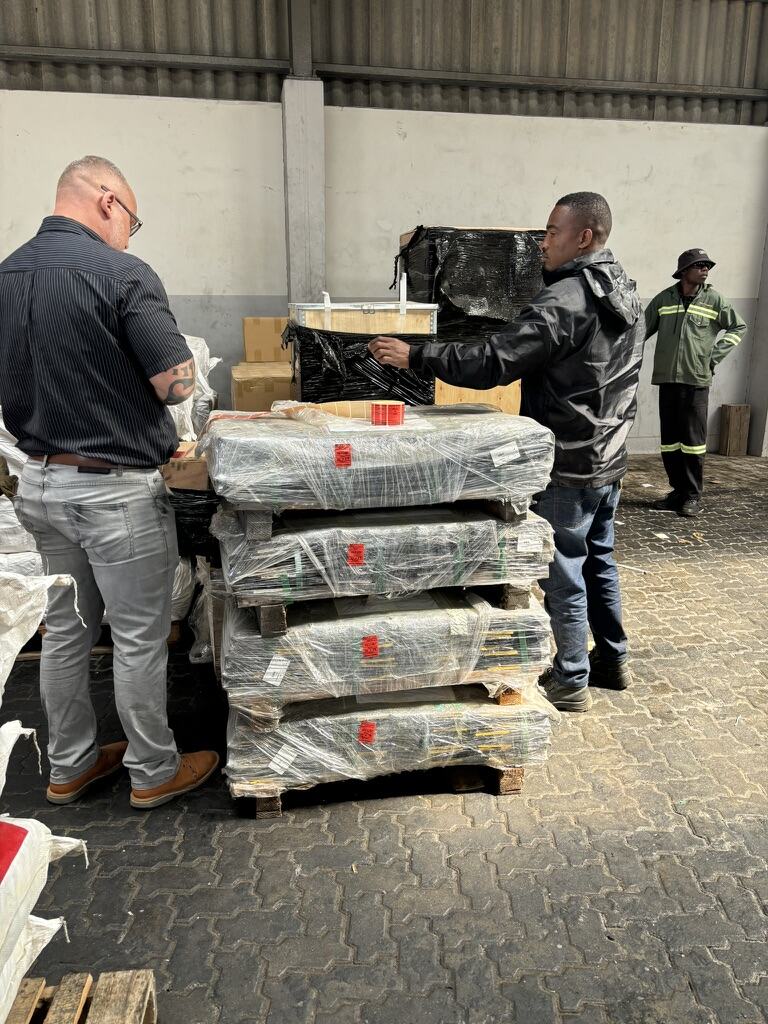
ຜົນກະທົບດ້ານການເງິນຈາກການຕັດສິນໃຈກ່ຽວກັບການຂົນສົ່ງທາງອາກາດລະຫວ່າງປະເທດ ມີຄວາມກວ້າງຂວາງຫຼາຍກວ່າພຽງແຕ່ອັດຕາຄ່າຂົນສົ່ງພື້ນຖານເທົ່ານັ້ນ ແຕ່ຍັງລວມເຖິງຄ່າເພີ່ມຈາກເຊື້ອໄຟ, ຄ່າຄວາມປອດໄພ, ຄ່າຈັດການ, ຄ່າການລ້າງດ້ວຍດູ່ສຸດ, ແລະ ຄຳພິຈາລະນາດ້ານປະກັນໄພ. ບໍລິສັດທີ່ບໍ່ໄດ້ຄຳນຶງເຖິງປັດໄຈຕົ້ນທຶນທີ່ມີຫຼາຍດ້ານເຫຼົ່ານີ້ ມັກຈະເກີດບັນຫາການເກີນງົບປະມານ ແລະ ການລ່າຊ້າທີ່ບໍ່ຄາດຄິດ ເຊິ່ງຈະສົ່ງຜົນເສຍຕໍ່ຕຳແໜ່ງການແຂ່ງຂັນຂອງພວກເຂົາ. ໂດຍການສຶກສາປັດໄຈຫຼັກທີ່ມີອິດທິພົວຕໍ່ການກຳນົດລາຄາການຂົນສົ່ງທາງອາກາດລະຫວ່າງປະເທດ, ບໍລິສັດສາມາດພັດທະນາຮູບແບບການທຳนายຕົ້ນທຶນທີ່ຖືກຕ້ອງຫຼາຍຂຶ້ນ ແລະ ຕັດສິນໃຈຢ່າງມີຂໍ້ມູນກ່ຽວກັບຍຸດທະສາດການຈັດສົ່ງທົ່ວໂລກຂອງພວກເຂົາ.
ໂຄງສ້າງການກຳນົດລາຄາຕາມນ້ຳໜັກ ແລະ ມິຕິ
ວິທີການຄຳນວນນ້ຳໜັກທີ່ຖືກຄິດຄ່າ
ການກຳນົດລາຄາການຂົນສົ່ງທາງອາກາດລະຫວ່າງປະເທດ ຂຶ້ນຢູ່ກັບແນວຄວາມຄິດຂອງນ້ຳໜັກທີ່ຖືກຄິດຄ່າ (chargeable weight) ເຊິ່ງເປັນຄ່າທີ່ໃຫຍ່ກວ່າລະຫວ່າງນ້ຳໜັກຈິງ ແລະ ນ້ຳໜັກຕາມມິຕິ. ການບໍລິສັດການບິນຄຳນວນນ້ຳໜັກຕາມມິຕິ ໂດຍການຄູນຄ່າຄວາມຍາວ, ຄວາມກວ້າງ ແລະ ຄວາມສູງ ແລ້ວຈຶ່ງແບ່ງດ້ວຍປັດໄຈຕາມມິຕິທີ່ກຳນົດໄວ້ລ່ວງໆ ເຊິ່ງປ່ຽນແປງໄປຕາມບໍລິສັດການບິນ ແລະ ສາຍທາງ. ວິທີການຄຳນວນນີ້ຮັບປະກັນວ່າຜູ້ຂົນສົ່ງຈະໃຊ້ພື້ນທີ່ໃນເຄື່ອງບິນໃຫ້ເຕັມທີ່ ໂດຍພິຈາລະນາທັງການຂົນສົ່ງທີ່ໜາແໜ້ນ ແລະ ການຂົນສົ່ງທີ່ມີປະມານຫຼາຍ. ການເຂົ້າໃຈວ່ານ້ຳໜັກຕາມມິຕິມີຜົນຕໍ່ຕົ້ນທຶນການຂົນສົ່ງຂອງທ່ານແນວໃດ ແມ່ນສຳຄັນຫຼາຍຕໍ່ການເຮັດໃຫ້ຍຸດທະສາດການຫໍ່ຫຸ້ມມີປະສິດທິພາບ ແລະ ການເລືອກວິທີການຂົນສົ່ງທີ່ເໝາະສົມ.
ປັດໄຈຕາມມິຕິທີ່ໃຊ້ໃນ ການຂົນສົ່ງທາງອາກາດລະຫວ່າງປະເທດ ການຄຳນວນມັກຈະຢູ່ໃນລະດັບຈາກ 166 ຫາ 200 ຂຶ້ນກັບຜູ້ຂົນສົ່ງ ແລະ ສາຍທາງການຄ້າທີ່ເປັນເອກະລັກ. ປັດໄຈດ້ານມິຕິທີ່ສູງຂຶ້ນຈະສ້າງໃຫ້ນ້ຳໜັກດ້ານມິຕິຕ່ຳລົງ ເຊິ່ງສາມາດເປັນປະໂຫຍດຕໍ່ຜູ້ສົ່ງອອກສິນຄ້າທີ່ມີນ້ຳໜັກເບົາແຕ່ມີປະລິມານໃຫຍ່. ບໍລິສັດສາມາດຫຼຸດຜ່ອນຕົ້ນທຶນການຂົນສົ່ງຂອງພວກເຂົາໄດ້ດ້ວຍການອອກແບບບໍ່ຫໍ່ໃໝ່ເພື່ອຫຼຸດຜ່ອນນ້ຳໜັກດ້ານມິຕິ, ການລວມສິນຄ້າຫຼາຍຊິ້ນເຂົ້າໄປໃນການຈັດສົ່ງດຽວ, ຫຼື ເລືອກຜູ້ຂົນສົ່ງທີ່ມີປັດໄຈດ້ານມິຕິທີ່ເໝາະສົມກວ່າສຳລັບຮູບແບບສິນຄ້າຂອງພວກເຂົາ.
ຈຸດທີ່ປ່ຽນແປງ ແລະ ລະດັບອັດຕາ
ອັດຕາຄ່າຂົນສົ່ງທາງອາກາດຖືກຈັດຕັ້ງຂຶ້ນຢູ່ໃນຈຸດທີ່ກຳນົດໄວ້ເປັນພິເສດຕາມນ້ຳໜັກ ເຊິ່ງຈະໃຫ້ລາຄາທີ່ດີຂຶ້ນຢ່າງຕໍ່ເນື່ອງເມື່ອປະລິມານການຈັດສົ່ງເພີ່ມຂຶ້ນ. ຈຸດທີ່ກຳນົດເປັນພິເສດທີ່ຄຸ້ນເຄີຍແມ່ນຢູ່ທີ່ 45 ກິໂລແກຼມ, 100 ກິໂລແກຼມ, 300 ກິໂລແກຼມ, 500 ກິໂລແກຼມ ແລະ 1000 ກິໂລແກຼມ, ໂດຍແຕ່ລະລະດັບຈະໃຫ້ອັດຕາຕໍ່ກິໂລແກຼມທີ່ຕ່ຳລົງ. ຈຸດທີ່ກຳນົດເຫຼົ່ານີ້ສ້າງໂອກາດໃຫ້ກັບການເຮັດໃຫ້ຕົ້ນທຶນມີປະສິດທິພາບຜ່ານການລວມການຈັດສົ່ງ, ໂດຍການລວມການຈັດສົ່ງຈຳນວນຫຼາຍທີ່ມີຂະໜາດນ້ອຍເຂົ້າໄປໃນການຈັດສົ່ງດຽວທີ່ມີຂະໜາດໃຫຍ່ຂຶ້ນ ສາມາດນຳໄປສູ່ການປະຢັດທີ່ສຳຄັນ. ແຕ່ຢ່າງໃດກໍຕາມ, ຜົນປະໂຫຍດຈາກການລວມການຈັດສົ່ງຈະຕ້ອງຖືກປຽບທຽບກັບຕົ້ນທຶນການເກັບຮັກສາສິນຄ້າ ແລະ ຄວາມຕ້ອງການດ້ານເວລາໃນການຈັດສົ່ງ.
ການວາງແຜນຢ່າງເປັນຍຸດທະສາດເກີ່ຍວກັບຈຸດທີ່ມີການປ່ຽນແປງຂອງນ້ຳໜັກຕ້ອງໃຊ້ການວິເຄາະຢ່າງລະອຽດຕໍ່ຮູບແບບການຈັດສົ່ງ ແລະ ການຄາດຄະເນປະລິມານ. ບໍລິສັດທີ່ມີຄວາມຕ້ອງການຈັດສົ່ງສິນຄ້າທາງອາກາດລະຫວ່າງປະເທດເປັນປະຈຳ ມັກຈະໄດ້ຮັບປະໂຫຍດຈາກການກຳນົດນ້ຳໜັກຂັ້ນຕ່ຳສຸດຂອງການຈັດສົ່ງທີ່ສອດຄ່ອງກັບຈຸດທີ່ມີການປ່ຽນແປງທີ່ເປັນປະໂຫຍດ ເຖິງແມ່ນວ່າຈະໝາຍເຖິງການເກັບຮັກສາສິນຄ້າເປັນເວລາດົນຂຶ້ນເລັກນ້ອຍກໍຕາມ. ຄ່າໃຊ້ຈ່າຍທີ່ປະຢັດໄດ້ຈາກການນຳໃຊ້ຈຸດທີ່ມີການປ່ຽນແປງຢ່າງມີປະສິດທິພາບສາມາດຊົດເຊີຍຄ່າໃຊ້ຈ່າຍທີ່ເພີ່ມຂຶ້ນຈາກການເກັບຮັກສາສິນຄ້າ ໂດຍເປັນພິເສດສຳລັບສິນຄ້າທີ່ມີມູນຄ່າສູງ ຫຼື ສິນຄ້າທີ່ມີຄວາມຕ້ອງການດ່ວນ ໂດຍທີ່ການຈັດສົ່ງທາງອາກາດເປັນທາງເລືອກທີ່ເໝາະສົມທີ່ສຸດ.
ຄວາມສັບສົນຂອງເສັ້ນທາງ ແລະ ປັດໄຈທາງພູມີສາດ
ຈຳແນກປະເພດທ່າອາກາດຕົ້ນທາງ ແລະ ຈຸດໆໝາຍ
ການຈັດປະເພດທ່າອາກາດມີຜົນຕໍ່ຕົ້ນທຶນການຂົນສົ່ງສິນຄ້າທາງອາກາດລະຫວ່າງປະເທດຢ່າງມີນັກ, ໂດຍທ່າອາກາດຫຼັກມັກຈະສະເໜີອັດຕາທີ່ຕ່ຳກວ່າເນື່ອງຈາກປະລິມານສິນຄ້າທີ່ສູງຂຶ້ນ ແລະ ການບິນທີ່ເກີດຂຶ້ນເຖິງເຖິງ. ທ່າອາກາດຫຼັກເຊັ່ນ: ຟຣັງກຟູດ, ໂຮງກົງ, ເມັມຟິດ, ແລະ ດູໄບ ແຕ່ລະທີ່ເປັນສູນກາງການຂົນສົ່ງສິນຄ້າທົ່ວໂລກ ມີເຄືອຂ່າຍການບິນທີ່ກວ້າງຂວາງ, ລາຄາທີ່ແຂ່ງຂັນ, ແລະ ສິ່ງອຳນວຍຄວາມສະດວກໃນການຈັດການທີ່ທັນສະໄໝ. ທ່າອາກາດທຸດີຍະອາດຈະຄິດຄ່າທີ່ສູງກວ່າເນື່ອງຈາກຕົວເລືອກການບິນທີ່ຈຳກັດ, ຄວາມຈຸຂອງສິນຄ້າທີ່ຫຼຸດລົງ, ແລະ ຄ່າໃຊ້ຈ່າຍເພີ່ມເຕີມທີ່ຈຳເປັນໃນການຈັດສົ່ງໄປຍັງຈຸດປາກົດສຸດ.
ລະບົບການຈັດປະເພດຍັງສົ່ງຜົນຕໍ່ຄວາມເຊື່ອຖືໄດ້ຂອງການບໍລິການ ແລະ ເວລາທີ່ໃຊ້ໃນການຂົນສົ່ງ, ເນື່ອງຈາກການຈັດສົ່ງຜ່ານທ່າອາກາດທີ່ສອງມັກຈະຕ້ອງໃຊ້ການເຊື່ອມຕໍ່ເພີ່ມເຕີມ ຫຼື ສ່ວນຂອງການຂົນສົ່ງທາງບົກ. ຄວາມສັບສົນດ້ານເສ้นທາງເຫຼົ່ານີ້ເຮັດໃຫ້ເກີດຈຸດທີ່ອາດຈະເກີດການລ່າຊ້າ ແລະ ເພີ່ມຄວາມບໍ່ແນ່ນອນທັງໝົດໃນການຈັດສົ່ງ. ເມື່ອປະເມີນຕົວເລືອກການຂົນສົ່ງ con air ຂອງສາກົນ, ທຸລະກິດຈະຕ້ອງຊົ່ວງດຸນລະຫວ່າງການປະຢັດຄ່າໃຊ້ຈ່າຍທີ່ເປັນໄປໄດ້ຈາກການໃຊ້ທ່າອາກາດທີ່ແຕກຕ່າງກັນ ແລະ ຄວາມຕ້ອງການດ້ານຄວາມເຊື່ອຖືໄດ້ຂອງການບໍລິການ ແລະ ເວລາທັງໝົດຈາກປະຕູສູ່ປະຕູ.
ຄວາມຕ້ອງການເສັ້ນທາງຕາມລະດູການ ແລະ ຂໍ້ຈຳກັດດ້ານຄວາມຈຸ
ການປ່ຽນແປງຕາມລະດູການຂອງຄວາມຕ້ອງການການຂົນສົ່ງສິນຄ້າທາງອາກາດໃນຕ່າງປະເທດສ້າງໃຫ້ເກີດການປ່ຽນແປງດ້ານລາຄາຢ່າງມີນ້ຳໜັກຕະຫຼອດທັງປີ, ໂດຍລະດູທີ່ມີຄວາມຕ້ອງການສູງສຸດມັກເກີດຂື້ນໃນໄລຍະທີ່ມີການຊື້ຂາຍຫຼາຍ, ລະດູเกັບເກີ່ยว, ແລະ ວຟົງການຜະລິດ. ຊ່ວງເວລາຈາກເດືອນກັນຍາຈົນເຖິງເດືອນທັນວາ ແມ່ນມີຄວາມຕ້ອງການສູງທີ່ສຸດ ເນື່ອງຈາກຮ້ານຄ້າກຳລັງເພີ່ມເຕີມສິນຄ້າເພື່ອຮັບມືກັບລະດູຊື້ຂາຍໃນเทศกาນ, ສິ່ງນີ້ເຮັດໃຫ້ເກີດຄວາມຈຳກັດດ້ານຄວາມຈຸກ ແລະ ລາຄາທີ່ສູງຂື້ນ. ໃນທາງກົງກັນຂ້າມ, ຊ່ວງເວລາຫຼັງเทศกาນຈາກເດືອນມັງກອນຈົນເຖິງເດືອນມີນາ ມັກຈະເຫັນອັດຕາທີ່ຕ່ຳລົງລົງເນື່ອງຈາກຄວາມຕ້ອງການກັບຄືນສູ່ສະຖານະປົກກະຕິ ແລະ ຄວາມຈຸກທີ່ມີຢູ່ເພີ່ມຂື້ນ.
ຂໍ້ຈຳກັດດ້ານຄວາມຈຸໃນໄລຍະທີ່ມີການຂົນສົ່ງຫຼາຍທີ່ສຸດ ສາມາດນຳໄປສູ່ບັນຫາການຈັດສັນພື້ນທີ່ ໂດຍຜູ້ໃຫ້ບໍລິການດ້ານການຂົນສົ່ງຈະໃຫ້ຄວາມສຳຄັນກັບການຂົນສົ່ງທີ່ເຮັດໃຫ້ມີອັດຕາການສົ່ງເງິນສູງ ແລະ ອາດຈະປະຕິເສດການຈັດສັນພື້ນທີ່ສຳລັບສິນຄ້າທີ່ມີອັດຕາຕ່ຳ. ການເຂົ້າໃຈຮູບແບບການປ່ຽນແປງຕາມລະດູການເຫຼົ່ານີ້ ຈະຊ່ວຍໃຫ້ທຸລະກິດສາມາດເພີ່ມປະສິດທິພາບຕໍ່ການຈັດຕັ້ງເວລາການຂົນສົ່ງຂອງຕົນ ໂດຍການສົ່ງສິນຄ້າລ່ວງໆກ່ອນໄລຍະທີ່ມີການຂົນສົ່ງຫຼາຍ ຫຼື ຍອມຮັບເວລາການຂົນສົ່ງທີ່ຍາວນານຂຶ້ນໃນໄລຍະທີ່ມີຄວາມຕ້ອງການສູງ. ບໍລິສັດທີ່ມີຄວາມຍືດຫຼຸ່ນໃນການຂົນສົ່ງມັກຈະບັນລຸການປະຢັດຄ່າໃຊ້ຈ່າຍຢ່າງມີນັກສຳຄັນ ໂດຍການຈັດເວລາການຂົນສົ່ງທາງອາກາດລະຫວ່າງປະເທດຂອງຕົນໃຫ້ເກີດຂຶ້ນໃນໄລຍະທີ່ມີຄວາມຈຸທີ່ບໍ່ຢູ່ໃນໄລຍະທີ່ມີການຂົນສົ່ງຫຼາຍ.
ຄ່າໃຊ້ຈ່າຍດ້ານເຊື້ອເພິງ ແລະ ກົງການຄິດຄ່າເພີ່ມ
ວິທີການຄິດໄລ່ຄ່າເພີ່ມດ້ານເຊື້ອເພິງ
ຄ່າທຳນຽມເພີ່ມສຳລັບເຊື້ອໄຟແມ່ນເປັນສ່ວນໜຶ່ງທີ່ສຳຄັນຂອງຕົ້ນທຶນການຂົນສົ່ງສິນຄ້າທາງອາກາດໃນຕ່າງປະເທດ ໂດຍທົ່ວໄປແລ້ວຈະຄິດເປັນ 15% ຫາ 30% ຂອງຄ່າຂົນສົ່ງທັງໝົດ ຂຶ້ນກັບລາຄາເຊື້ອໄຟ ແລະ ຄວາມໄກຂອງເສັ້ນທາງ. ການບິນແຕ່ລະບໍລິສັດຈະຄິດຄ່າທຳນຽມເພີ່ມສຳລັບເຊື້ອໄຟໂດຍອີງໃສ່ດັດຊະນີລາຄາເຊື້ອໄຟທີ່ຖືກປະກາດຢ່າງເປັນທາງການ ແລະ ຈະມີການປັບປຸງທຸກໆເດືອນຫຼືທຸກໆສີ່ເດືອນເພື່ອສະທ້ອນເຖິງສະພາບການຕະຫຼາດໃນປັດຈຸບັນ. ວິທີການຄິດຄ່າທຳນຽມເພີ່ມນີ້ຈະແຕກຕ່າງກັນໄປຕາມຜູ້ຂົນສົ່ງແຕ່ລະບໍລິສັດ ໂດຍບາງບໍລິສັດໃຊ້ອັດຕາເປີເຊັນທີ່ກຳນົດໄວ້ຢ່າງຖາວອນ ໃນຂະນະທີ່ບາງບໍລິສັດອື່ນໆໃຊ້ສູດການຄິດທີ່ປ່ຽນແປງໄດ້ຕາມລາຄາເຊື້ອໄຟໃນແຕ່ລະຊ່ວງ.
ການເຂົ້າໃຈກົນໄກຄ່າທຳນຽມເພີ່ມເຕີມສຳລັບເຊື້ອເພິງ ຊ່ວຍໃຫ້ບໍລິສັດສາມາດຄາດການການປ່ຽນແປງຂອງຕົ້ນທຶນ ແລະ ພັດທະນາຍຸດທະສາດການປ້ອງກັນຄວາມເສີ່ງທາງດ້ານງົບປະມານ. ສັນຍາຂົນສົ່ງທາງອາກາດສາກົນໃນໄລຍະຍາວ ມັກຈະປະກອບດ້ວຍຂີດຈຳກັດຄ່າທຳນຽມເພີ່ມເຕີມສຳລັບເຊື້ອເພິງ ຫຼື ຂໍ້ກຳນົດການເພີ່ມຂຶ້ນ ເຊິ່ງໃຫ້ການປ້ອງກັນບາງສ່ວນຕໍ່ຄວາມຜັນແປນທີ່ຮຸນແຮງຂອງລາຄາ. ບໍລິສັດທີ່ມີຄວາມສ່ຽງສູງຈາກຄ່າທຳນຽມເພີ່ມເຕີມສຳລັບເຊື້ອເພິງ ອາດຈະໄດ້ຮັບປະໂຫຍດຈາກການຮ່ວມມືກັບຜູ້ຈັດສົ່ງສິນຄ້າທີ່ສະເໜີໂປຣແກຣມການປ້ອງກັນຄວາມເສີ່ງດ້ານເຊື້ອເພິງ ຫຼື ສັນຍາລາຄາຖາວອນ ເຊິ່ງຈະກຳຈັດຄວາມປ່ຽນແປງຂອງຄ່າທຳນຽມເພີ່ມເຕີມ.
ຄວາມແຕກຕ່າງຂອງລາຄາເຊື້ອເພິງຕາມເຂດ
ຄ່າທຳນຽມເພີ່ມເຕີມສຳລັບເຊື້ອໄຟອາດຈະແຕກຕ່າງກັນຢ່າງໃຫຍ່ຫຼວງລະຫວ່າງເຂດພື້ນທີ່ທີ່ຕ່າງກັນ ເນື່ອງຈາກຕົ້ນທຶນເຊື້ອໄຟໃນທ້ອງຖິ່ນ, ນະໂຍບາຍການເກັບภาษີ, ແລະ ຂໍ້ຈຳກັດດ້ານສິ່ງອຳນວຍຄວາມສະດວກ. ສຳລັບເສັ້ນທາງທີ່ເລີ່ມຕົ້ນຈາກເຂດທີ່ມີຕົ້ນທຶນເຊື້ອໄຟສູງ ມັກຈະມີຄ່າທຳນຽມເພີ່ມເຕີມທີ່ສູງຂຶ້ນ ເຊິ່ງສະທ້ອນເຖິງຄ່າໃຊ້ຈ່າຍເພີ່ມເຕີມສຳລັບການເຕີມເຊື້ອໄຟໃຫ້ກັບເຮືອບິນ. ເສັ້ນທາງທີ່ຜ່ານເຂດເອເຊຍກາງອາດຈະໄດ້ຮັບປະໂຫຍດຈາກຕົ້ນທຶນເຊື້ອໄຟທີ່ຕ່ຳລົງ ເນື່ອງຈາກການຜະລິດນ້ຳມັນດິບໃນເຂດດັ່ງກ່າວ, ໃນຂະນະທີ່ເສັ້ນທາງທີ່ຜ່ານທ່າອາກາດບາງແຫ່ງໃນເອີຣົບ ຫຼື ເອເຊຍອາດຈະມີຄ່າທຳນຽມເພີ່ມເຕີມທີ່ສູງຂຶ້ນ ເນື່ອງຈາກການເກັບภาษີ ແລະ ຄ່າທຳນຽມດ້ານສິ່ງແວດລ້ອມ.
ການຕັດສິນໃຈດ້ານເສັ້ນທາງຢ່າງຍຸດທະສາດອາດຈະຫຼຸດຜ່ອນຄວາມສ່ຽງຈາກຄ່າທຳນຽມນ້ຳມັນໄດ້ບາງຄັ້ງ ໂດຍການເລືອກຈຸດເລີ່ມຕົ້ນການຂົນສົ່ງທີ່ມີລາຄານ້ຳມັນທີ່ເໝາະສົມກວ່າ. ເຖິງຢ່າງໃດກໍຕາມ ການເພີ່ມປະສິດທິພາບເສັ້ນທາງເຫຼົ່ານີ້ຈະຕ້ອງຖືກປະເມີນຄວາມຄຸ້ມຄ່າເທີຍກັບປັດໄຈຄ່າໃຊ້ຈ່າຍອື່ນໆ ເຊັ່ນ: ອັດຕາຄ່າຂົນສົ່ງພື້ນຖານ ຄ່າບໍລິການຈັດການ ແລະ ເວລາທັງໝົດທີ່ໃຊ້ໃນການຂົນສົ່ງ. ຄວາມສັບສົນຂອງການປ່ຽນແປງຄ່າທຳນຽມນ້ຳມັນໃນເສັ້ນທາງຕ່າງໆ ໃຫ້ເຫັນເຖິງຄວາມສຳຄັນຂອງການວິເຄາະຄ່າໃຊ້ຈ່າຍຢ່າງລະອອງເມື່ອເລືອກຜູ້ໃຫ້ບໍລິການຂົນສົ່ງ con air ລະຫວ່າງປະເທດ.
ປະເພດສິນຄ້າ ແລະ ຂໍ້ກຳນົດດ້ານການຈັດການພິເສດ
ສິນຄ້າອັນຕະລາຍ ແລະ ສິນຄ້າທີ່ຖືກຈຳກັດ
ການຈັດສົ່ງທີ່ປະກອບດ້ວຍສິນຄ້າອັນຕະລາຍ ຫຼື ສິນຄ້າທີ່ຖືກຈຳກັດ ຈະເກີດຄ່າໃຊ້ຈ່າຍເພີ່ມເຕີມ ເນື່ອງຈາກຄວາມຕ້ອງການໃນການຈັດການຢ່າງເປັນພິເສດ, ຂະບວນການປອດໄພທີ່ເຂັ້ມງວດຂຶ້ນ, ແລະ ຄວາມຮັບຜິດຊອບໃນການປະຕິບັດຕາມຂໍ້ບັງຄັບ. ການຂົນສົ່ງທາງອາກາດລະຫວ່າງປະເທດຂອງວັດຖຸອັນຕະລາຍ ຕ້ອງໃຊ້ການຫໍ່ຫຸ້ມທີ່ໄດ້ຮັບການຮັບຮອງ, ເອກະສານລາຍລະອຽດ, ການມີສ່ວນຮ່ວມຂອງບຸກຄະລາກອນທີ່ໄດ້ຮັບການຝຶກອົບຮົມ, ແລະ ການປະຕິບັດຕາມຂອບເຂດປີ້ນຈຳນວນທີ່ເຂັ້ມງວດ. ຂໍ້ກຳນົດເຫຼົ່ານີ້ສ່ງຜົນໃຫ້ເກີດລາຄາທີ່ສູງຂຶ້ນ ເຊິ່ງອາດຈະແຕ່ 50% ຫາ 200% ຂ້າງເທິງອັດຕາຄ່າຂົນສົ່ງທົ່ວໄປ, ຂຶ້ນກັບການຈັດປະເພດສິນຄ້າເປັນກະດຸມ ແລະ ຄວາມສັບສົນຂອງຂໍ້ບັງຄັບ.
ລະບົບການຈັດປະເພດສິນຄ້າອັນຕະລາຍປະກອບດ້ວຍເກົ້າປະເພດທີ່ແຕກຕ່າງກັນ ເລີ່ມຈາກວັດຖຸລະເບີດ ແລະ ກາຊ ໄປຈົນເຖິງວັດຖຸກົ້ນຮັງສີ ແລະ ວັດຖຸກັດເຄື່ອນ. ແຕ່ລະປະເພດມີຂໍ້ກຳນົດທີ່ເປັນເອກະລັກກ່ຽວກັບການຫໍ່ຫຸ້ມ ປ້າຍຊື່ ແລະ ເອກະສານທີ່ຕ້ອງໃຊ້ ເຊິ່ງສົ່ງຜົນຕໍ່ຕົ້ນທຶນການຈັດການ ແລະ ຕາງເລືອກເສັ້ນທາງທີ່ມີໃຫ້. ບາງບໍລິສັດຂົນສົ່ງຈຳກັດ ຫຼື ຫ້າມການຂົນສົ່ງສິນຄ້າອັນຕະລາຍໃນບາງປະເພດຢ່າງເຕັມທີ່ ເຊິ່ງຈຳກັດທາງເລືອກການຂົນສົ່ງ ແລະ ອາດເຮັດໃຫ້ຕົ້ນທຶນເພີ່ມຂຶ້ນເນື່ອງຈາກການແຂ່ງຂັນທີ່ຫຼຸດລົງ. ບໍລິສັດທີ່ຂົນສົ່ງສິນຄ້າອັນຕະລາຍຢ່າງເປັນປະຈຳ ࡀຳລັງໄດ້ຮັບປະໂຫຍດຈາກການສ້າງຄວາມສຳພັນກັບບໍລິສັດຂົນສົ່ງທີ່ເຊີ່ยวຊານ ເຊິ່ງສະເໜີອັດຕາທີ່ແຂ່ງຂັນສຳລັບການຂົນສົ່ງວັດຖຸອັນຕະລາຍທີ່ເປັນໄປຕາມຂໍ້ກຳນົດ.
ສິນຄ້າທີ່ຄວບຄຸມອຸນຫະພູມ ແລະ ສິນຄ້າທີ່ມີຄວາມອ່ອນໄຫວຕໍ່ເວລາ
ຜະລິດຕະພັນທີ່ອ່ອນໄຫວຕໍ່ອຸນຫະພູມຕ້ອງການບໍລິການຂົນສົ່ງ con air ນານາຊາດທີ່ມີຄວາມຊ່ຽວຊານ ເຊິ່ງຮັກສາສະພາບແວດລ້ອມທີ່ຖືກຄວບຄຸມໄວ້ໃນທັງໝົດຂອງຂະບວນການຂົນສົ່ງ. ຜະລິດຕະພັນດ້ານຢາ, ຕົວຢ່າງຊີວະວິທະຍາ, ຜັກ-ໝາກໄມ້ດິບ, ແລະ ເຄມີບາງຊະນິດ ຕ້ອງການການຂົນສົ່ງທີ່ຄວບຄຸມອຸນຫະພູມ ເຊິ່ງອາດຈະເຮັດໃຫ້ຕົ້ນທຶນເພີ່ມຂຶ້ນ 25% ຫາ 75% ເມື່ອທຽບກັບອັດຕາຄ່າຂົນສົ່ງທົ່ວໄປ. ບໍລິການເຫຼົ່ານີ້ຕ້ອງການຫ້ອງເກັບພິເສດໃນເຮືອບິນ, ອຸປະກອນການຈັດການທີ່ດິນ, ແລະ ລະບົບການຕິດຕາມທີ່ຮັບປະກັນຄວາມສອດຄ່ອງຂອງອຸນຫະພູມຈາກຈຸດເລີ່ມຕົ້ນຈົນເຖິງຈຸດປາຍທາງ.
ສິນຄ້າທີ່ມີຄວາມອ່ອນໄຫວຕໍ່ເວລາມັກຈະຕ້ອງການການດຳເນີນການຢ່າງໄວວ່າງ ແລະ ການຈັດການດ້ວຍຄວາມເປັນພິເສດ ເຊິ່ງຈະເຮັດໃຫ້ມີຄ່າບໍລິການທີ່ສູງຂຶ້ນ ແຕ່ຮັບປະກັນໄດ້ວ່າຈະມີເວລາການຂົນສົ່ງທີ່ສັ້ນລົງ ແລະ ຄວາມສ່ຽງຈາກການລ່າຊ້າຈະຫຼຸດລົງ. ການບໍລິການຂົນສົ່ງທາງອາກາດສາກົນແບບດ່ວນ ມັກຈະມີຄ່າໃຊ້ຈ່າຍສູງຂຶ້ນ 20% ຫາ 50% ເມື່ອທຽບກັບບໍລິການທົ່ວໄປ ແຕ່ຈະຮັບປະກັນເວລາການຈັດສົ່ງ ແລະ ມີຄວາມສາມາດໃນການຕິດຕາມສິນຄ້າທີ່ດີຂຶ້ນ. ຄ່າບໍລິການທີ່ສູງຂຶ້ນສຳລັບການຂົນສົ່ງທີ່ມີຄວາມອ່ອນໄຫວຕໍ່ເວລາ ຈຳເປັນຕ້ອງຖືກປະເມີນຄ່າຕໍ່ຄຸນຄ່າຂອງການຈັດສົ່ງທີ່ໄວຂຶ້ນ ໂດຍລວມເຖິງການຫຼຸດລົງຂອງຕົ້ນທຶນການເກັບຮັກສາສິນຄ້າໃນສາງ ການຍົກສູງຄວາມພ້ອມໃຈຂອງລູກຄ້າ ແລະ ສິດທິປະໂຫຍດທາງການແຂ່ງຂັນທີ່ໄດ້ຮັບຈາກຄວາມສາມາດໃນການນຳເອົາຜະລິດຕະພັນເຂົ້າສູ່ຕະຫຼາດໄດ້ໄວຂຶ້ນ.
ຂໍ້ກຳນົດດ້ານກົດໝາຍ ແລະ ເອກະສານ
ການລ້າງອາກາດ ແລະ ຜົນກະທົບດ້ານພາສີ
ຄ່າຂົນສົ່ງທາງອາກາດລະຫວ່າງປະເທດບໍ່ໄດ້ຈຳກັດຢູ່ເທິງຄ່າຂົນສົ່ງເທົ່ານັ້ນ ແຕ່ຍັງປະກອບດ້ວຍຄ່າການລົບລ້າງດ້ວຍການກວດສອບສິນຄ້າທີ່ດ່ານສຸດຊາດ, ຄ່າພາສີ, ແລະ ຄ່າໃຊ້ຈ່າຍດ້ານການບໍລິຫານທີ່ກ່ຽວຂ້ອງກັບເອກະສານທີ່ຕ້ອງການສຳລັບການຂົນສົ່ງຂ້າມແດນ. ຂະບວນການກວດສອບສິນຄ້າທີ່ດ່ານສຸດຊາດແຕກຕ່າງກັນຢ່າງມີນັກໃນແຕ່ລະປະເທດ; ບາງປະເທດຕ້ອງການຂະບວນການກວດສອບລ່ວງໆ ໃນຂະນະທີ່ບາງປະເທດອື່ນອະນຸຍາດໃຫ້ດຳເນີນການຫຼັງຈາກສິນຄ້າມາຮອດ. ຄວາມສັບສົນຂອງຂໍ້ກຳນົດດ້ານການກວດສອບສິນຄ້າສົ່ງຜົນຕໍ່ທັງຄ່າໃຊ້ຈ່າຍໂດຍກົງຜ່ານຄ່າການກວດສອບ ແລະ ຄ່າໃຊ້ຈ່າຍທີ່ບໍ່ເປັນທາງກົງຜ່ານຄວາມເປັນໄປໄດ້ຂອງການລ່າຊ້າ ເຊິ່ງອາດເຮັດໃຫ້ເກີດຄ່າເກັບຮັກສາ ຫຼື ຄ່າໃຊ້ຈ່າຍສຳລັບການດຳເນີນການຢ່າງເລີງດ່ວນ.
ຄວາມຮັບຜິດຊອບດ້ານພາສີ ແລະ ອາກອນເປັນປັດໄຈຕົ້ນທຶນເພີ່ມເຕີມທີ່ສາມາດສົ່ງຜົນກະທົບຢ່າງຫຼວງຫຼາຍຕໍ່ຕົ້ນທຶນທັງໝົດຂອງການຈັດສົ່ງສິນຄ້າທາງອາກາດໃນຕ່າງປະເທດ. ອັດຕາອາກອນແຕກຕ່າງກັນໄປຕາມປະເພດສິນຄ້າ ປະເທດຕົ້ນກຳເນີດ ແລະ ຂໍ້ຕົກລົງດ້ານການຄ້າ ຫຼື ໂປຼແກຣມການປະຖົມນິເທດທີ່ນຳໃຊ້ໄດ້. ການເຂົ້າໃຈຄວາມຮັບຜິດຊອບເຫຼົ່ານີ້ຊ່ວຍໃຫ້ທຸລະກິດສາມາດຕັດສິນໃຈຢ່າງມີຂໍ້ມູນກ່ຽວກັບການຈັດຫາສິນຄ້າ ຍຸດທະສາດການຈັດສົ່ງ ແລະ ລາຄາທີ່ຄຳນຶງເຖິງຕົ້ນທຶນທັງໝົດທີ່ເຂົ້າມາໃນປະເທດ (total landed cost) ແທນທີ່ຈະເປັນພຽງຄ່າຂົນສົ່ງເທົ່ານັ້ນ.
ຂໍ້ກຳນົດດ້ານຄວາມປອດໄພ ແລະ ການກວດສອບ
ຄວາມຕ້ອງການດ້ານຄວາມປອດໄພທີ່ເຂັ້ມງວດຂຶ້ນສຳລັບການຂົນສົ່ງສິນຄ້າທາງອາກາດລະຫວ່າງປະເທດ ໄດ້ນຳເອົາສ່ວນປະກອບຄ່າໃຊ້ຈ່າຍເພີ່ມເຕີມເຂົ້າມາ ລວມທັງຄ່າການກວດສອບດ້ານຄວາມປອດໄພ, ຄ່າໃຊ້ຈ່າຍໃນການຈົດທະບຽນຜູ້ສົ່ງສິນຄ້າທີ່ຮູ້ຈັກ (known shipper), ແລະ ຄ່າເອກະສານທີ່ເກີ່ยวຂ້ອງກັບການປະຕິບັດຕາມຂໍ້ກຳນົດ. ອົງການຄວາມປອດໄພດ້ານການຂົນສົ່ງ (Transportation Security Administration) ແລະ ອົງການທີ່ເທົ່າທຽນກັນໃນຕ່າງປະເທດ ຕ້ອງການຂໍ້ມູນການຈັດສົ່ງຢ່າງລະອຽດ, ຂະບວນການຢືນຢັນຕົວຕົນຂອງຜູ້ສົ່ງສິນຄ້າ, ແລະ ຂະບວນການກວດສອບທີ່ເຂັ້ມງວດຂຶ້ນ ເຊິ່ງເພີ່ມທັງເວລາ ແລະ ຄ່າໃຊ້ຈ່າຍໃນຂະບວນການຈັດສົ່ງ. ຄ່າເພີ່ມດ້ານຄວາມປອດໄພມັກຈະຢູ່ໃນລະດັບ 0.05 ຫາ 0.25 ໂດລາສະຫະລັດຕໍ່ກິໂລແກຼມ ຂຶ້ນກັບປະເທດຕ้นທາງ ແລະ ປະເທດຈຸດໝາຍ ແລະ ລະດັບການເຕືອນດ້ານຄວາມປອດໄພໃນປັດຈຸບັນ.
ການປະຕິບັດຕາມຂໍ້ກຳນົດດ້ານຄວາມປອດໄພໃນລະດັບສາກົນ ມັກຈະຕ້ອງມີການລົງທຶນໃນລະບົບ, ການຝຶກອົບຮົມ, ແລະ ຂະບວນການທີ່ເປັນຄ່າໃຊ້ຈ່າຍດ້ານການດຳເນີນງານຢ່າງຕໍ່ເນື່ອງສຳລັບບໍລິສັດທີ່ດຳເນີນກິດຈະກຳການຂົນສົ່ງສິນຄ້າທາງອາກາດລະຫວ່າງປະເທດຢ່າງເປັນປົກກະຕິ. ບໍລິສັດທີ່ໄດ້ຮັບການຮັບຮອງໃນແຜນການຄວາມປອດໄພທີ່ເປັນທີ່ຮູ້ຈັກດີ ອາດຈະມີສິດໄດ້ຮັບການດຳເນີນການຢ່າງໄວວ່າ ແລະ ຄວາມຕ້ອງການໃນການກວດສອບທີ່ຫຼຸດລົງ ເຊິ່ງສາມາດຊົດເຊີຍຄ່າໃຊ້ຈ່າຍໃນການປະຕິບັດຕາມຂໍ້ກຳນົດໄດ້ຜ່ານປະສິດທິພາບທີ່ດີຂຶ້ນ ແລະ ເວລາການຂົນສົ່ງທີ່ຫຼຸດລົງ. ລັກສະນະທີ່ມີການປ່ຽນແປງຢ່າງຕໍ່ເນື່ອງຂອງຂໍ້ກຳນົດດ້ານຄວາມປອດໄພ ຕ້ອງການການຕິດຕາມ ແລະ ການປັບຕົວຢ່າງຕໍ່ເນື່ອງເພື່ອຮັກສາການປະຕິບັດຕາມ ແລະ ຫຼີກເວັ້ນຄວາມລ່າຊ້າທີ່ມີຄ່າໃຊ້ຈ່າຍສູງ ຫຼື ຄ່າປັບໄໝ.
ຄຳຖາມທີ່ຖາມບໍ່ຍາກ
ຄ່າເພີ່ມເນື່ອງຈາກເຊື້ອເພີງມີຜົນຕໍ່ການຄຳນວນລາຄາການຂົນສົ່ງສິນຄ້າທາງອາກາດລະຫວ່າງປະເທດແນວໃດ?
ຄ່າທີ່ເພີ່ມຂື້ນຈາກນ້ຳມັນເຊື້ອໄຟມັກຈະເພີ່ມຂື້ນ 15-30% ເທົ່າຂອງອັດຕາຄ່າຂົນສົ່ງທາງອາກາດສາກົນທີ່ບໍ່ລວມຄ່າທີ່ເພີ່ມຂື້ນ ແລະ ຖືກຄຳນວນໂດຍໃຊ້ດັດຊະນີລາຄານ້ຳມັນເຊື້ອໄຟທີ່ຖືກປ່ອຍອອກຢ່າງເປັນທາງການ ແລະ ອັດເດດທຸກໆເດືອນຫຼືທຸກໆສີ່ເດືອນ. ມູນຄ່າຂອງຄ່າທີ່ເພີ່ມຂື້ນຈະແຕກຕ່າງກັນໄປຕາມຜູ້ຂົນສົ່ງ ແລະ ສາຍທາງ ໂດຍທົ່ວໄປແລ້ວສາຍທາງທີ່ຍາວກວ່າຈະມີຄ່າທີ່ເພີ່ມຂື້ນທີ່ສູງກວ່າເນື່ອງຈາກຄວາມຕ້ອງການນ້ຳມັນເຊື້ອໄຟທີ່ເພີ່ມຂື້ນ.
ຄວາມແຕກຕ່າງລະຫວ່າງນ້ຳໜັກທີ່ແທ້ຈິງ ແລະ ນ້ຳໜັກທີ່ຄຳນວນຈາກມິຕິ (dimensional weight) ໃນການກຳນົດລາຄາຂົນສົ່ງທາງອາກາດແມ່ນຫຍັງ?
ບໍລິສັດການບິນຈະຄິດຄ່າທີ່ສູງກວ່າລະຫວ່າງນ້ຳໜັກທີ່ແທ້ຈິງ ຫຼື ນ້ຳໜັກທີ່ຄຳນວນຈາກມິຕິ. ນ້ຳໜັກທີ່ຄຳນວນຈາກມິຕິຖືກຄຳນວນດ້ວຍການຄູນຄວາມຍາວ x ຄວາມກວ້າງ x ຄວາມສູງ (ເປັນເຊັນຕີແມັດ) ແລ້ວແບ່ງດ້ວຍປັດໄຈມິຕິ (ທົ່ວໄປແລ້ວແມ່ນ 166-200). ສິ່ງນີ້ຮັບປະກັນວ່າຜູ້ຂົນສົ່ງຈະໄດ້ຮັບຄ່າຊຳລະສຳລັບທັງການຂົນສົ່ງທີ່ໜັກ ແລະ ການຂົນສົ່ງທີ່ມີປະມານຫຼາຍ ເຊິ່ງຈະໃຊ້ພື້ນທີ່ໃນເຮືອບິນ.
ເປັນຫຍັງອັດຕາຄ່າຂົນສົ່ງທາງອາກາດສາກົນຈຶ່ງແຕກຕ່າງກັນຢ່າງມີນັກໃນທ່າອາກາດທີ່ແຕກຕ່າງກັນ?
ທ່າອາກາດສຳຄັນທົ່ວໄປແລ້ວຈະເ Ange ອັດຕາທີ່ຕ່ຳກວ່າເນື່ອງຈາກປະລິມານສິນຄ້າທີ່ສູງຂຶ້ນ, ການບິນທີ່ເກີດຂື້ນຢ່າງຖີ່່ຫຼາຍ, ແລະ ມີຜູ້ໃຫ້ບໍລິການດ້ານການບິນທີ່ແຂ່ງຂັນກັນ. ທ່າອາກາດທີ່ສອງອາດຈະຄິດຄ່າທີ່ສູງຂື້ນເນື່ອງຈາກຕົວເລືອກການບິນທີ່ຈຳກັດ, ຄ່າໃຊ້ຈ່າຍເພີ່ມເຕີມສຳລັບການຈັດຕັ້ງຕຳແໜ່ງ, ແລະ ປະລິມານສິນຄ້າທີ່ຕ່ຳກວ່າເຊິ່ງເຮັດໃຫ້ປະສິດທິພາບດ້ານເສດຖະກິດຈາກການຜະລິດໃນປະລິມານຫຼາຍຫຼຸດລົງ.
ຮູບແບບຄວາມຕ້ອງການຕາມລະດູການມີຜົນຕໍ່ຕົ້ນທຶນການຂົນສົ່ງສິນຄ້າທາງອາກາດລະຫວ່າງປະເທດແນວໃດ?
ຊ່ວງເວລາທີ່ມີການຂົນສົ່ງສູງສຸດຈາກເດືອນກັນຍາຈົນເຖິງເດືອນທັນວາ ຈະເຫັນການເພີ່ມຂື້ນຂອງອັດຕາ 20-50% ເນື່ອງຈາກຄວາມຕ້ອງການຂອງຮ້ານຄ້າໃນຊ່ວງວັນหยຸດ, ໃນຂະນະທີ່ຊ່ວງເວລາທີ່ມີການຂົນສົ່ງຕ່ຳສຸດຈາກເດືອນມັງກອນຈົນເຖິງເດືອນມີນາ ຈະເອື້ອອຳນວຍໃຫ້ມີອັດຕາທີ່ຕ່ຳລົງ ແລະ ມີຄວາມຈຸກຳທີ່ດີຂື້ນ. ການວາງແຜນການຂົນສົ່ງໃນຊ່ວງເວລາທີ່ມີການຂົນສົ່ງຕ່ຳສຸດສາມາດນຳໄປສູ່ການປະຢັດຄ່າໃຊ້ຈ່າຍຢ່າງມີນັກສຳຄັນສຳລັບຄວາມຕ້ອງການການຂົນສົ່ງທີ່ມີຄວາມຍືດຫຼຸ່ນ.
สารบัญ
- ໂຄງສ້າງການກຳນົດລາຄາຕາມນ້ຳໜັກ ແລະ ມິຕິ
- ຄວາມສັບສົນຂອງເສັ້ນທາງ ແລະ ປັດໄຈທາງພູມີສາດ
- ຄ່າໃຊ້ຈ່າຍດ້ານເຊື້ອເພິງ ແລະ ກົງການຄິດຄ່າເພີ່ມ
- ປະເພດສິນຄ້າ ແລະ ຂໍ້ກຳນົດດ້ານການຈັດການພິເສດ
- ຂໍ້ກຳນົດດ້ານກົດໝາຍ ແລະ ເອກະສານ
-
ຄຳຖາມທີ່ຖາມບໍ່ຍາກ
- ຄ່າເພີ່ມເນື່ອງຈາກເຊື້ອເພີງມີຜົນຕໍ່ການຄຳນວນລາຄາການຂົນສົ່ງສິນຄ້າທາງອາກາດລະຫວ່າງປະເທດແນວໃດ?
- ຄວາມແຕກຕ່າງລະຫວ່າງນ້ຳໜັກທີ່ແທ້ຈິງ ແລະ ນ້ຳໜັກທີ່ຄຳນວນຈາກມິຕິ (dimensional weight) ໃນການກຳນົດລາຄາຂົນສົ່ງທາງອາກາດແມ່ນຫຍັງ?
- ເປັນຫຍັງອັດຕາຄ່າຂົນສົ່ງທາງອາກາດສາກົນຈຶ່ງແຕກຕ່າງກັນຢ່າງມີນັກໃນທ່າອາກາດທີ່ແຕກຕ່າງກັນ?
- ຮູບແບບຄວາມຕ້ອງການຕາມລະດູການມີຜົນຕໍ່ຕົ້ນທຶນການຂົນສົ່ງສິນຄ້າທາງອາກາດລະຫວ່າງປະເທດແນວໃດ?