
 EN
EN


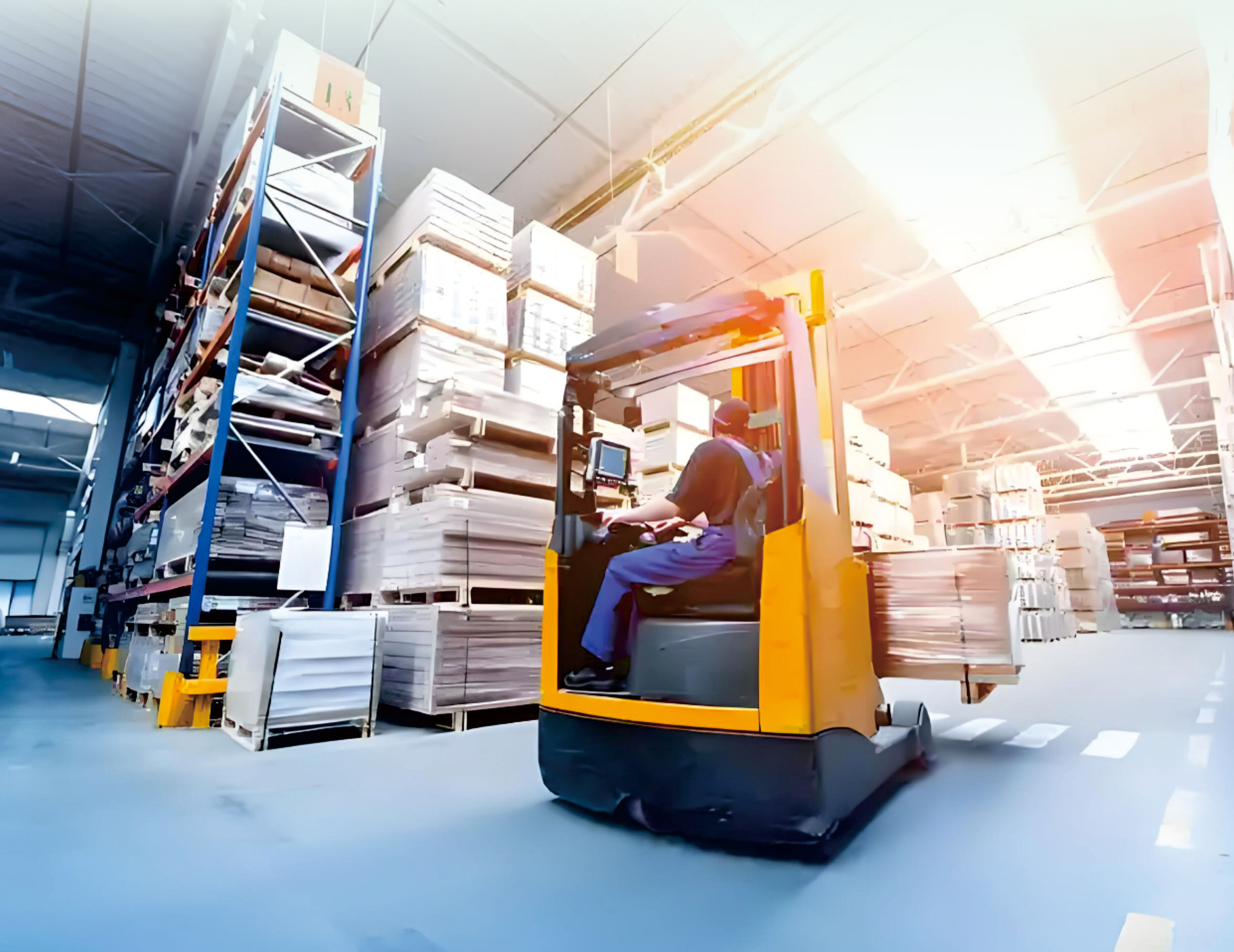
In today's fast-paced business environment, companies across industries are constantly seeking ways to accelerate their supply chain operations and meet increasingly demanding customer expectations. Air freight has emerged as a critical logistics solution that enables businesses to achieve faster deliveries while maintaining product quality and reliability. This transportation method offers unparalleled speed advantages over traditional shipping methods, making it an essential component of modern supply chain strategies. By leveraging air freight services, companies can significantly reduce transit times, expand their market reach, and maintain competitive advantages in global commerce.
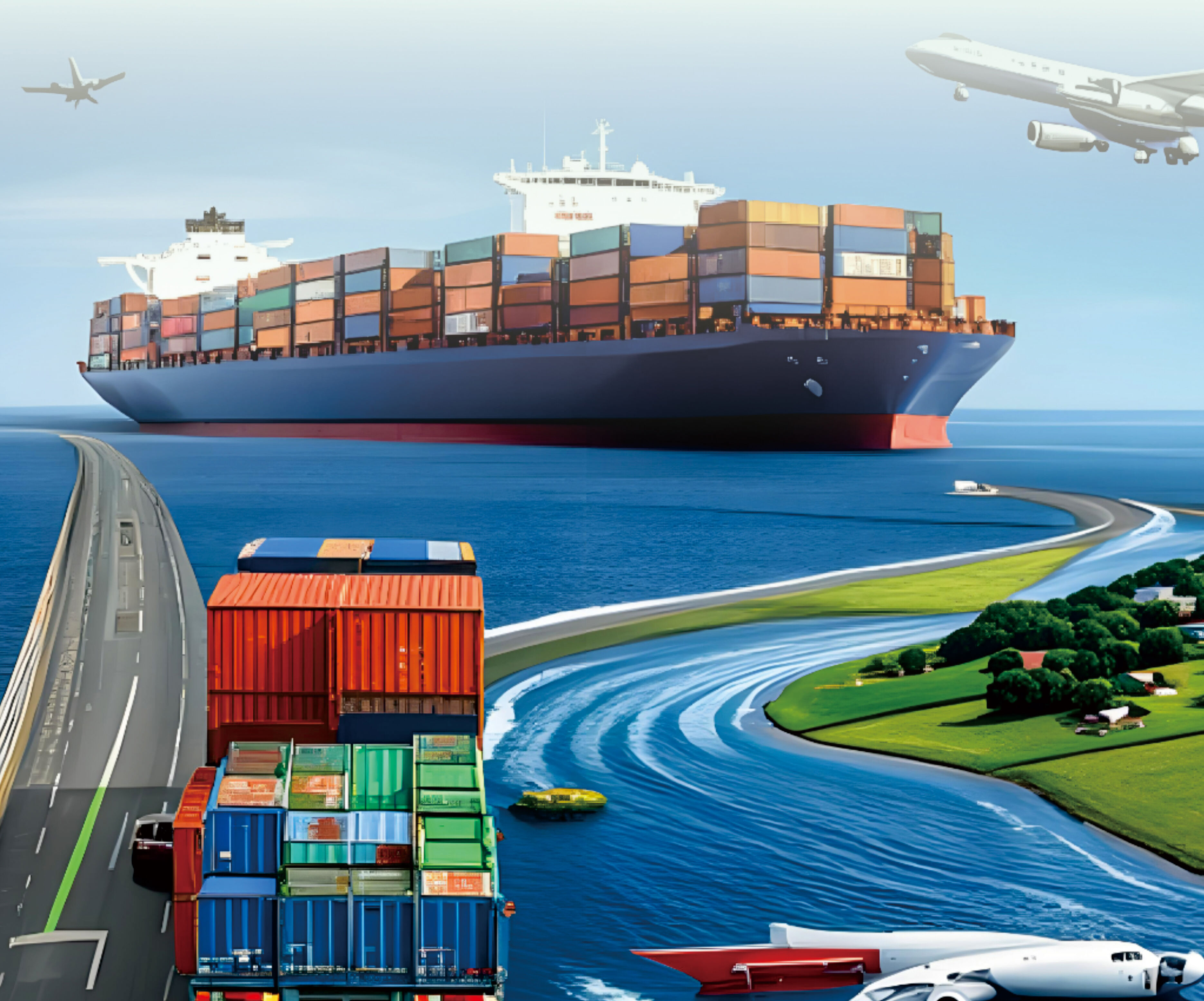
Understanding Air Freight Advantages
Speed and Time Efficiency
The primary advantage of air freight lies in its exceptional speed capabilities compared to other transportation modes. While ocean freight might take weeks to cross continents, air freight can accomplish the same journey in a matter of days or even hours. This dramatic reduction in transit time allows companies to respond quickly to market demands, seasonal fluctuations, and urgent customer requirements. Businesses operating in time-sensitive industries such as pharmaceuticals, electronics, and fashion particularly benefit from these rapid delivery capabilities.
Air freight services operate on established flight schedules that provide predictable delivery windows, enabling companies to plan their operations with greater precision. The reliability of commercial aviation networks ensures consistent performance, reducing the uncertainty often associated with ground transportation delays due to traffic, weather, or infrastructure limitations. This predictability becomes crucial when companies need to coordinate multiple supply chain elements or meet strict production deadlines.
Global Connectivity and Accessibility
Modern air freight networks connect virtually every major commercial hub worldwide, providing companies with unprecedented access to global markets. This extensive connectivity allows businesses to source materials from distant suppliers, serve international customers, and establish supply chains that span multiple continents. The comprehensive airport infrastructure in major cities ensures that air freight services can reach both established industrial centers and emerging markets effectively.
Unlike ground transportation, which may be limited by geographical barriers, political boundaries, or inadequate infrastructure, air freight can overcome these obstacles efficiently. Companies can maintain consistent service levels regardless of the destination's location, ensuring that customers in remote or challenging locations receive the same quality of service as those in major metropolitan areas. This accessibility enables businesses to expand their market presence and compete effectively on a global scale.
Strategic Applications in Business Operations
Emergency and Critical Shipments
Air freight serves as a vital lifeline for companies facing emergency situations or critical supply shortages. When production lines face potential shutdowns due to missing components, or when customers require urgent replacements for defective products, air freight provides the rapid response capability needed to minimize business disruption. Manufacturing companies often maintain relationships with air freight providers specifically to handle these emergency scenarios effectively.
The ability to mobilize shipments quickly becomes particularly valuable during crisis situations, natural disasters, or unexpected market developments. Companies that incorporate air freight into their contingency planning can maintain business continuity even when faced with supply chain disruptions. This strategic preparation helps protect revenue streams and maintain customer satisfaction during challenging periods.
High-Value and Time-Sensitive Products
Products with high value-to-weight ratios often justify the premium costs associated with air freight transportation. Electronics, precision instruments, pharmaceuticals, and luxury goods represent categories where the cost of air freight represents a relatively small percentage of the product's total value. For these products, the benefits of reduced transit time, enhanced security, and improved handling often outweigh the additional transportation costs.
Time-sensitive products such as fresh produce, flowers, and perishable foods rely heavily on air freight services to maintain quality and market value. The controlled environment of aircraft cargo holds, combined with rapid transit times, helps preserve product integrity throughout the transportation process. This preservation of quality directly translates into higher customer satisfaction and reduced product losses due to spoilage or degradation.
Cost-Benefit Analysis and ROI Considerations
Direct Cost Factors
While air freight typically commands higher rates than ocean or ground transportation, companies must evaluate costs within the context of their overall business objectives. The direct costs of air freight include base shipping rates, fuel surcharges, security fees, and handling charges. These costs vary based on factors such as route popularity, seasonal demand, cargo characteristics, and service level requirements. Understanding these cost components helps companies make informed decisions about when air freight provides optimal value.
Companies often find that the apparent cost premium of air freight becomes more reasonable when evaluated against the total landed cost of their products. This comprehensive evaluation includes factors such as inventory carrying costs, warehousing expenses, insurance, and the cost of capital tied up in slow-moving inventory. By reducing transit times, air freight can significantly lower these associated costs, sometimes offsetting the higher transportation rates.
Hidden Value Creation
The value proposition of air freight extends beyond simple transportation cost comparisons to encompass broader business benefits. Faster deliveries enable companies to operate with leaner inventory levels, reducing working capital requirements and storage costs. This inventory optimization becomes particularly valuable for companies dealing with seasonal products, fashion items, or technology goods with short product lifecycles.
Air freight also contributes to improved customer satisfaction and loyalty through enhanced service levels. Companies that consistently deliver products faster than competitors often command premium pricing, increased market share, and stronger customer relationships. These intangible benefits can generate significant long-term value that justifies the investment in premium transportation services.
Implementation Strategies and Best Practices
Carrier Selection and Partnership Development
Successful air freight implementation requires careful selection of transportation partners who can meet specific business requirements consistently. Companies should evaluate potential carriers based on factors such as route coverage, service reliability, handling capabilities, tracking technology, and customer service quality. Establishing strong partnerships with reputable air freight providers ensures access to priority treatment during peak seasons and capacity constraints.
Diversifying carrier relationships provides companies with flexibility and redundancy in their transportation networks. Working with multiple air freight providers reduces dependency on single carriers and provides alternative options when primary services experience disruptions or capacity limitations. This strategic approach helps maintain service continuity while potentially leveraging competitive pricing through carrier negotiations.
Technology Integration and Tracking
Modern air freight operations rely heavily on advanced technology systems to provide visibility, control, and optimization throughout the transportation process. Companies should prioritize working with carriers that offer comprehensive tracking capabilities, automated notifications, and integration with existing enterprise resource planning systems. These technological capabilities enable real-time monitoring of shipments and proactive management of potential delays or issues.
Integration of air freight operations with broader supply chain management systems creates opportunities for optimization and efficiency improvements. Automated routing decisions, dynamic carrier selection, and predictive analytics can help companies optimize their use of air freight services while minimizing costs and maximizing service levels. This integration ensures that air freight becomes a seamlessly incorporated element of the overall supply chain strategy.
Industry-Specific Applications
Manufacturing and Automotive
Manufacturing companies increasingly rely on air freight to support just-in-time production strategies and global supply chain networks. The automotive industry, in particular, uses air freight extensively for critical components, spare parts, and prototype deliveries. When production lines face potential shutdowns due to missing parts, air freight provides the rapid response capability needed to minimize costly downtime and maintain production schedules.
The precision required in modern manufacturing often necessitates the secure, controlled environment that air freight provides. Sensitive electronic components, precision instruments, and calibrated equipment benefit from the stable transportation conditions and reduced handling associated with air freight services. This protection helps ensure that products arrive in optimal condition, reducing quality issues and customer complaints.
Healthcare and Pharmaceutical
The healthcare industry represents one of the most critical applications for air freight services, particularly in the transportation of life-saving medications, medical devices, and biological samples. Temperature-sensitive pharmaceuticals often require the controlled environment and rapid transit times that air freight provides to maintain efficacy and safety. Emergency medical situations frequently depend on air freight to deliver critical supplies and equipment to healthcare facilities quickly.
Pharmaceutical companies use air freight extensively for clinical trial materials, regulatory samples, and new product launches where timing is crucial for market success. The stringent regulatory requirements in healthcare often mandate specific handling procedures and documentation that air freight providers are well-equipped to support. This specialized capability ensures compliance with regulatory standards while maintaining product integrity throughout transportation.
Future Trends and Developments
Technological Advancements
The air freight industry continues to evolve through technological innovations that enhance efficiency, visibility, and service quality. Artificial intelligence and machine learning algorithms are being deployed to optimize routing decisions, predict capacity needs, and improve overall network efficiency. These technologies enable air freight providers to offer more competitive pricing while maintaining high service levels.
Blockchain technology is emerging as a powerful tool for enhancing supply chain transparency and security in air freight operations. This technology provides immutable tracking records, automated smart contracts, and enhanced security features that benefit both shippers and carriers. Companies leveraging these technological advancements gain competitive advantages through improved visibility and control over their air freight operations.
Sustainability and Environmental Considerations
Environmental sustainability is becoming an increasingly important consideration in air freight operations as companies face pressure to reduce their carbon footprints. The industry is investing heavily in more fuel-efficient aircraft, sustainable aviation fuels, and carbon offset programs to address these concerns. Companies using air freight services are exploring ways to optimize their shipments to minimize environmental impact while maintaining service levels.
Consolidation strategies and collaborative shipping programs are emerging as effective methods for reducing the environmental impact of air freight while maintaining speed advantages. By combining shipments from multiple companies, these programs achieve higher load factors and improved efficiency. This collaborative approach allows companies to benefit from air freight speed while sharing the environmental costs across multiple participants.
FAQ
What types of products are best suited for air freight transportation
Air freight is ideal for high-value, time-sensitive, or perishable products where speed justifies the premium cost. This includes electronics, pharmaceuticals, fashion items, fresh produce, automotive parts, and emergency supplies. Products with high value-to-weight ratios typically provide the best return on investment when shipped via air freight, as transportation costs represent a smaller percentage of total product value.
How does air freight pricing compare to other transportation modes
Air freight typically costs significantly more than ocean or ground transportation on a per-pound basis, often 5-10 times higher depending on the route and service requirements. However, the total cost of ownership may be more favorable when considering factors such as reduced inventory carrying costs, faster cash flow from quicker deliveries, and lower insurance costs due to shorter transit times and enhanced security.
What factors can cause delays in air freight shipments
Common causes of air freight delays include weather conditions, air traffic congestion, customs processing delays, documentation issues, security screenings, and mechanical problems with aircraft. Peak shipping seasons, such as holidays, can also create capacity constraints that result in delays. Working with experienced air freight providers and maintaining proper documentation helps minimize these potential delays.
How can companies optimize their air freight operations for better efficiency
Companies can optimize air freight operations by consolidating shipments when possible, maintaining accurate documentation, working with reliable carriers, implementing tracking technology, and developing contingency plans for disruptions. Regular analysis of shipping patterns and costs helps identify opportunities for improvement. Building strong relationships with air freight providers often results in priority treatment and better service during peak periods or capacity constraints.