
 EN
EN


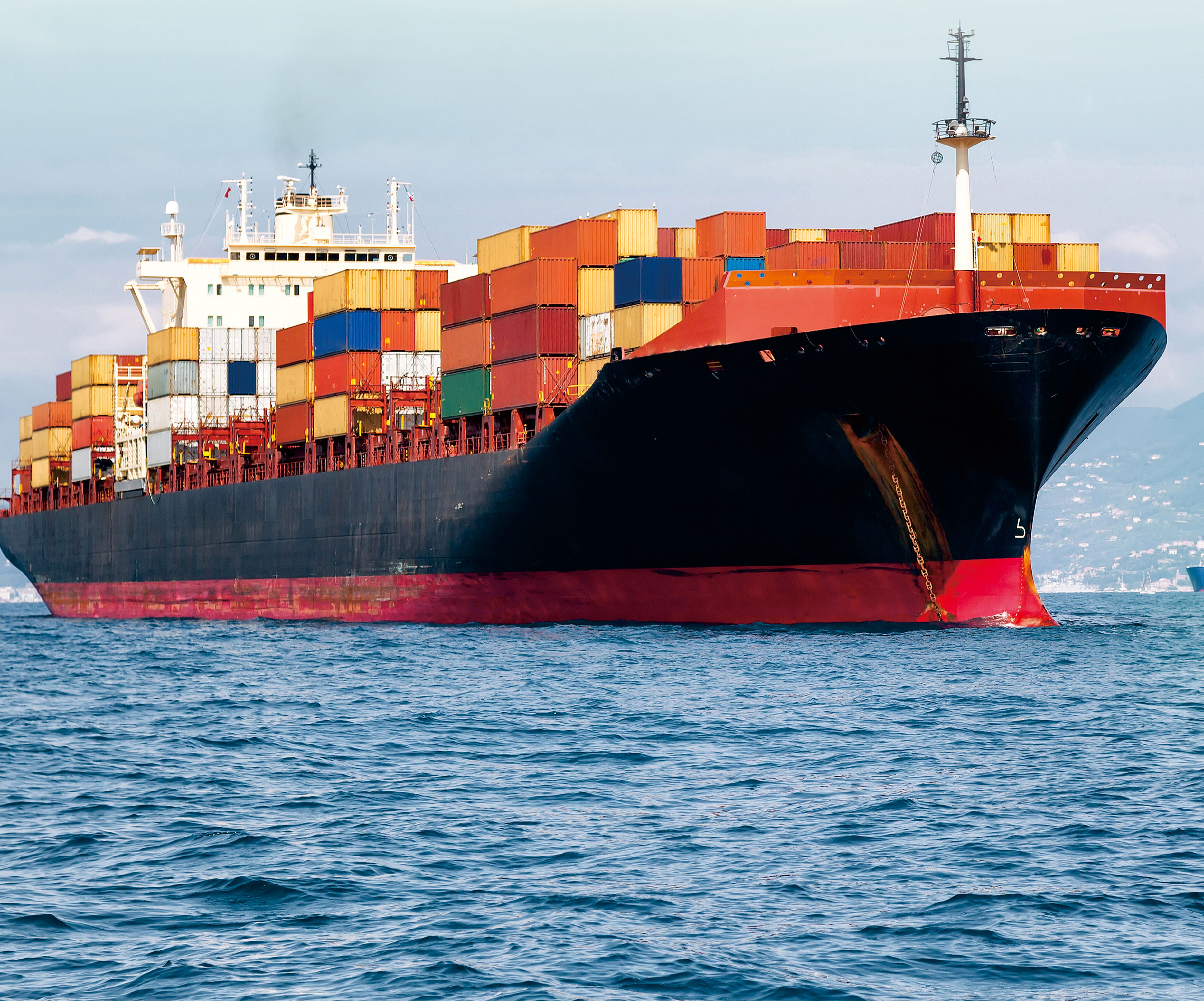
Industrial operations across manufacturing, construction, and energy sectors increasingly depend on equipment and components that exceed standard shipping dimensions and weight limits. The challenge of moving these oversized items from manufacturing facilities to job sites requires specialized logistics capabilities that go far beyond conventional freight services. Oversized logistics provides the critical infrastructure and expertise needed to handle large industrial shipments safely, efficiently, and within regulatory compliance frameworks.
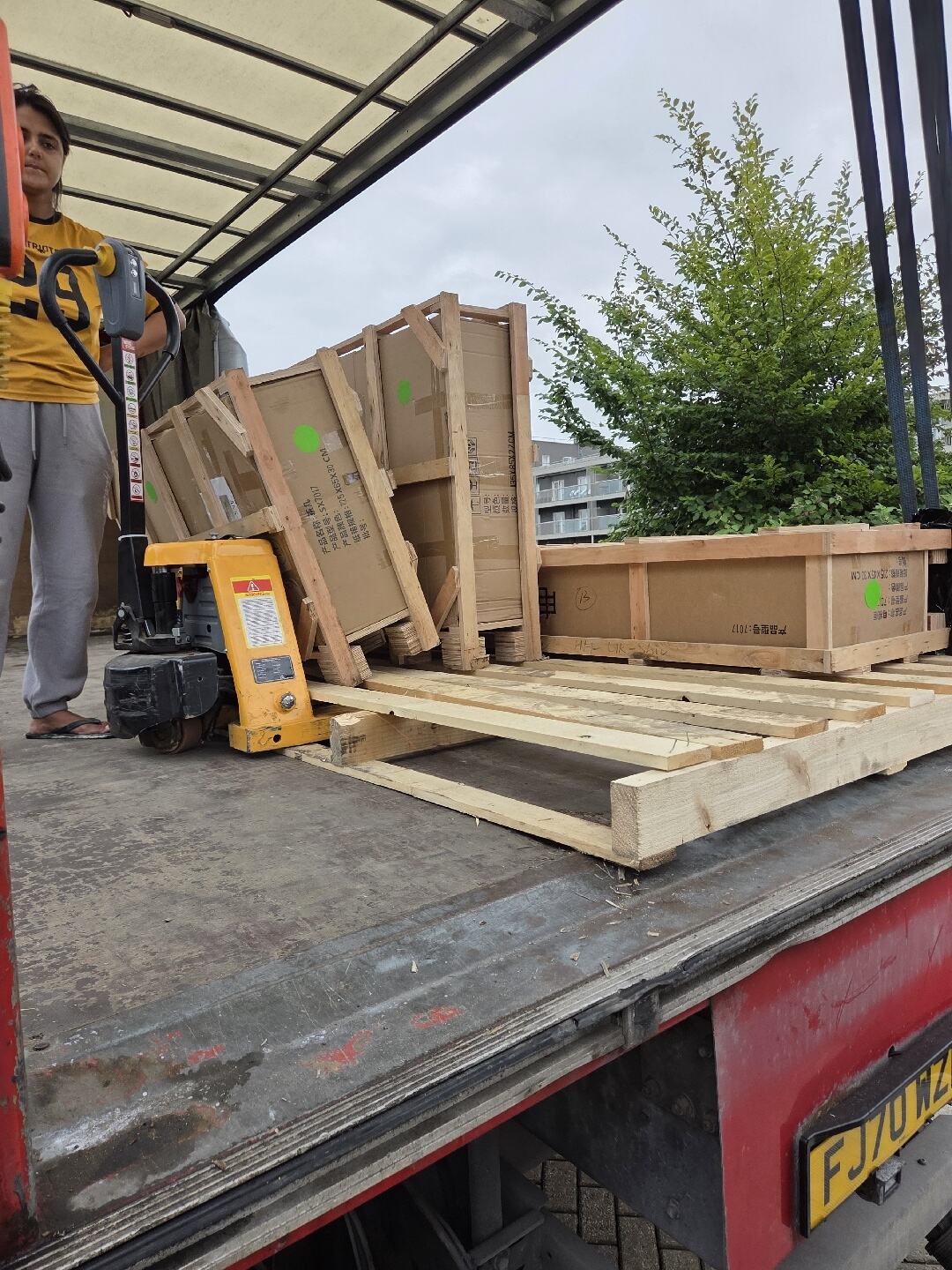
The complexity of transporting oversized industrial cargo involves multiple specialized processes, from route planning and permit acquisition to equipment selection and safety coordination. Understanding how oversized logistics operates enables industrial companies to better plan their supply chains, reduce project delays, and minimize transportation costs. This comprehensive approach to handling large shipments has become essential for industries where equipment size and weight continue to grow alongside technological advancement and project scale requirements.
Specialized Equipment and Infrastructure Requirements
Heavy-Duty Transportation Vehicles
Oversized logistics relies on specialized transportation equipment designed to handle loads that exceed standard weight and dimension limits. Multi-axle trailers, lowboy trailers, and modular transporters form the backbone of heavy cargo movement, with each vehicle type engineered for specific load characteristics. These vehicles feature reinforced frames, hydraulic systems for load distribution, and advanced steering mechanisms that allow navigation through complex routes while maintaining cargo stability.
The selection of appropriate transportation equipment depends on cargo dimensions, weight distribution, and route constraints. Modular transporters offer the flexibility to combine multiple units for extremely heavy loads, while specialized trailers like schnabel cars provide optimal weight distribution for lengthy industrial components. Oversized logistics providers maintain extensive fleets of these specialized vehicles to accommodate diverse industrial shipping requirements across different project types and geographical regions.
Loading and Securing Systems
Proper cargo securing represents a critical component of oversized logistics operations, requiring sophisticated restraint systems and load distribution techniques. Heavy-duty chains, wire rope assemblies, and custom blocking systems work together to prevent cargo movement during transport. The securing process follows strict engineering calculations that account for acceleration forces, road conditions, and environmental factors that could affect cargo stability throughout the journey.
Advanced securing systems often incorporate hydraulic tensioning devices and real-time monitoring equipment that tracks cargo position and restraint integrity during transport. These systems provide continuous feedback to drivers and logistics coordinators, enabling immediate response to any securing issues that may develop. The sophistication of these securing systems directly impacts the safety and success of large industrial shipments, making their proper implementation essential for oversized logistics operations.
Route Planning and Regulatory Compliance
Comprehensive Route Analysis
Effective oversized logistics begins with detailed route analysis that identifies potential obstacles and clearance restrictions along the entire transportation corridor. This analysis examines bridge heights, weight limits, road width restrictions, and turning radius requirements to ensure the selected route can accommodate the specific dimensions and weight of the industrial cargo. Advanced mapping software and historical transportation data help logistics planners identify the most viable paths while minimizing infrastructure conflicts.
Route planning for oversized logistics also considers seasonal factors, construction activities, and traffic patterns that could impact transportation schedules. Alternative routes are typically identified and evaluated to provide contingency options in case primary routes become unavailable due to weather, construction, or other unforeseen circumstances. This comprehensive approach to route planning helps ensure reliable delivery schedules and reduces the risk of costly delays during critical industrial projects.
Permit Acquisition and Legal Requirements
Transporting oversized industrial cargo requires obtaining multiple permits from various jurisdictions along the transportation route. These permits specify allowable travel times, required escort vehicles, and route restrictions that must be strictly followed throughout the journey. The permit acquisition process involves detailed engineering documentation, cargo specifications, and transportation plans that demonstrate compliance with safety and infrastructure protection requirements.
Oversized logistics providers typically maintain relationships with permit agencies across multiple states and regions, enabling efficient permit processing and renewal. The complexity of permit requirements varies significantly based on cargo dimensions, weight, and route characteristics, making experienced logistics coordination essential for maintaining compliance. Failure to obtain proper permits or comply with permit conditions can result in significant delays, fines, and legal complications that impact project timelines and costs.
Safety Protocols and Risk Management
Escort and Support Vehicle Coordination
Large industrial shipments typically require escort vehicles and support teams that help ensure safe passage through complex transportation corridors. Lead and follow vehicles provide advance warning to other traffic participants while monitoring route conditions and coordinating with the transport driver. These escort vehicles carry specialized communication equipment, emergency supplies, and trained personnel who can respond to various situations that may arise during transport.
Support vehicle coordination extends beyond basic escort services to include utility coordination, emergency response planning, and infrastructure protection measures. Utility companies may need to temporarily raise power lines or move other infrastructure elements to accommodate oversized cargo passage. This coordination requires precise timing and communication between multiple parties, making professional logistics management essential for successful oversized shipments.
Emergency Response Procedures
Comprehensive emergency response planning forms a critical component of oversized logistics operations, addressing potential mechanical failures, weather delays, and infrastructure conflicts. Emergency response procedures include predetermined communication protocols, equipment repair capabilities, and alternative routing options that can be implemented quickly when primary plans are disrupted. These procedures help minimize downtime and maintain project schedules even when unexpected challenges arise.
Emergency response teams working with oversized logistics providers typically include mechanical specialists, rigging experts, and logistics coordinators who can assess situations and implement solutions rapidly. The availability of backup equipment, spare parts, and alternative transportation resources enables quick recovery from most mechanical or logistical challenges. This comprehensive approach to emergency preparedness helps protect both cargo value and project timelines during large industrial shipments.
Technology Integration and Monitoring Systems
Real-Time Tracking and Communication
Modern oversized logistics operations incorporate advanced tracking systems that provide real-time visibility into cargo location, route progress, and transportation conditions. GPS tracking devices, satellite communication systems, and mobile data networks enable continuous monitoring of large industrial shipments throughout their journey. This technology allows logistics coordinators and customers to track delivery progress, identify potential delays, and coordinate receiving activities more effectively.
Communication systems integrated into oversized logistics operations facilitate coordination between drivers, escort vehicles, permit agencies, and customer facilities. These systems provide secure channels for transmitting updates, requesting assistance, and coordinating route changes when necessary. The reliability and coverage of communication systems directly impact the success of oversized shipments, particularly when transport routes cross remote areas or multiple jurisdictions with varying communication infrastructure.
Load Monitoring and Safety Systems
Advanced load monitoring systems provide continuous feedback on cargo condition, securing system integrity, and transportation equipment performance during oversized logistics operations. Strain gauges, accelerometers, and position sensors monitor cargo behavior and alert operators to any changes that could indicate securing problems or equipment issues. These monitoring systems help prevent cargo damage and identify potential safety concerns before they become serious problems.
Integration of monitoring data with fleet management systems enables proactive maintenance scheduling and performance optimization for oversized logistics equipment. Historical data from load monitoring systems helps identify patterns that can improve securing techniques, route selection, and equipment utilization. This data-driven approach to oversized logistics management contributes to improved safety, reliability, and cost effectiveness for large industrial shipments.
Cost Optimization and Project Integration
Transportation Cost Structure Analysis
Understanding the cost structure of oversized logistics helps industrial companies optimize their transportation spending and project budgets. Transportation costs for large industrial shipments include equipment rental, permit fees, escort services, route preparation, and specialized labor. These costs vary significantly based on cargo characteristics, distance, route complexity, and timing requirements, making detailed cost analysis essential for project planning.
Cost optimization in oversized logistics often involves consolidating multiple shipments, optimizing routes to minimize permit requirements, and scheduling transports during periods when rates and restrictions are most favorable. Experienced logistics providers can identify opportunities to reduce costs while maintaining safety and schedule requirements. The complexity of oversized logistics pricing makes professional cost analysis and optimization an important component of transportation planning for large industrial projects.
Supply Chain Integration Strategies
Effective integration of oversized logistics into broader supply chain strategies requires coordination between manufacturing schedules, transportation planning, and project timelines. This integration helps minimize inventory costs, reduce handling requirements, and optimize the timing of large equipment deliveries. Supply chain coordination becomes particularly important when multiple oversized components must arrive in sequence or when delivery timing affects construction schedules.
Advanced supply chain integration for oversized logistics includes coordination with manufacturing processes, quality control procedures, and installation schedules. This comprehensive approach helps ensure that large industrial components are manufactured, transported, and delivered according to optimized timelines that support overall project success. The complexity of these integrated supply chains requires experienced logistics coordination and robust planning systems to manage effectively.
FAQ
What types of industrial equipment typically require oversized logistics services?
Oversized logistics services are commonly required for power generation equipment such as turbines and transformers, construction machinery including excavators and cranes, manufacturing equipment like large presses and production lines, and infrastructure components such as bridge sections and refinery vessels. These items typically exceed standard shipping dimensions of 8.5 feet wide, 13.6 feet high, or 48-53 feet long, or weigh more than 80,000 pounds, requiring specialized transportation solutions.
How far in advance should companies plan for oversized logistics shipments?
Planning for oversized logistics shipments should typically begin 4-8 weeks before the desired delivery date, depending on the complexity of the shipment and route requirements. This timeline allows sufficient time for permit acquisition, route planning, equipment scheduling, and coordination with infrastructure owners. More complex shipments involving multiple jurisdictions, utility coordination, or specialized equipment may require 12-16 weeks of advance planning to ensure successful execution.
What factors determine the cost of oversized logistics services?
The cost of oversized logistics services depends on several key factors including cargo dimensions and weight, transportation distance, route complexity, permit requirements, escort vehicle needs, equipment type required, timing constraints, and special handling requirements. Additional costs may include utility coordination fees, infrastructure modifications, specialized securing equipment, and emergency response capabilities. Distance and route complexity typically have the greatest impact on overall transportation costs.
How do oversized logistics providers ensure cargo safety during transport?
Oversized logistics providers ensure cargo safety through comprehensive securing systems using heavy-duty restraints and blocking, detailed route planning to avoid hazards and restrictions, professional escort vehicle coordination and traffic management, real-time monitoring of cargo condition and transport progress, emergency response planning and backup equipment availability, and strict adherence to safety protocols and regulatory requirements. These multilayered safety measures work together to protect both the cargo and public safety throughout the transportation process.