
 EN
EN



Global trade depends heavily on the secure transportation of massive industrial equipment, machinery, and oversized components across international borders. Heavy cargo shipping represents a specialized segment of the logistics industry that requires exceptional planning, advanced equipment, and stringent safety protocols to protect valuable shipments worth millions of dollars. The complexity of moving these substantial loads involves multiple stakeholders, specialized vessels, and comprehensive risk management strategies that ensure goods arrive at their destinations intact and on schedule.
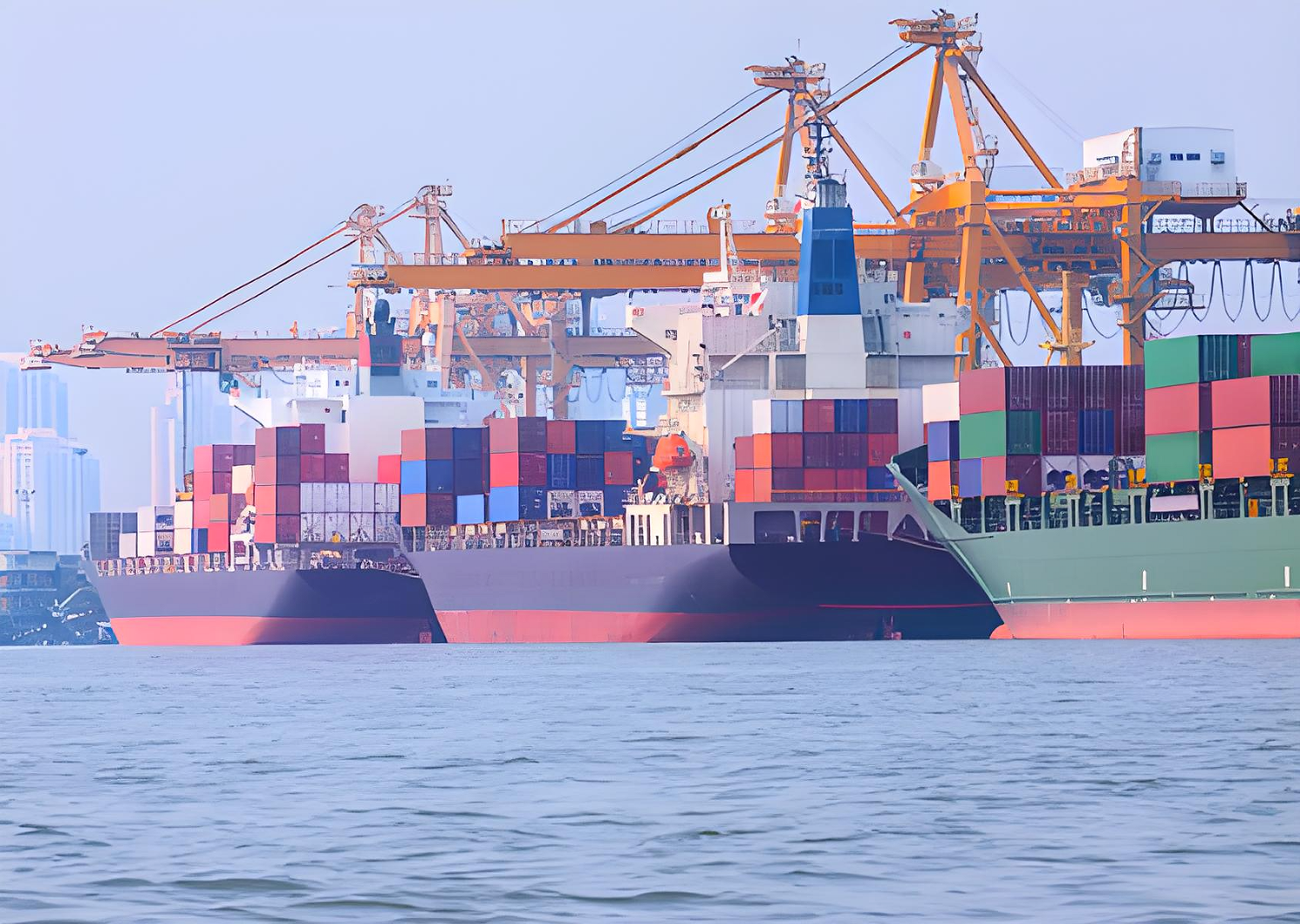
Fundamental Safety Principles in Heavy Cargo Transportation
Load Distribution and Weight Management
Proper weight distribution forms the cornerstone of safe heavy cargo shipping operations. Maritime engineers must calculate precise load distributions across vessel decks to maintain stability during various weather conditions and sea states. The cargo's center of gravity directly impacts vessel performance, requiring detailed engineering assessments before departure. Professional shipping companies utilize advanced software to model weight distribution patterns and ensure compliance with international maritime safety standards.
Weight management protocols extend beyond simple load calculations to include dynamic factors such as fuel consumption, water ballast adjustments, and cargo shift prevention. Heavy cargo shipping operations must account for these variables throughout the entire voyage duration. Experienced cargo planners work closely with naval architects to optimize loading sequences and positioning strategies that enhance vessel stability while maximizing cargo capacity utilization.
Securing and Lashing Systems
Advanced securing systems represent critical safety components in heavy cargo shipping operations. High-tensile steel cables, hydraulic lashing points, and specialized welding techniques create robust attachment systems capable of withstanding extreme maritime forces. These securing mechanisms must accommodate cargo expansion and contraction due to temperature variations while maintaining constant tension throughout the journey.
Professional lashing teams undergo extensive training to properly implement securing protocols for different cargo types. The selection of appropriate lashing materials depends on cargo weight, dimensions, surface characteristics, and anticipated weather conditions during transit. Regular inspection schedules ensure that securing systems maintain their integrity throughout extended voyages, preventing potentially catastrophic cargo movements that could compromise vessel safety.
Pre-Shipment Planning and Risk Assessment
Route Analysis and Weather Monitoring
Comprehensive route planning represents a fundamental aspect of safe heavy cargo shipping operations. Maritime meteorologists analyze seasonal weather patterns, ocean current data, and historical storm tracks to identify optimal shipping corridors. Advanced weather routing systems provide real-time updates that allow vessels to avoid severe weather conditions that could endanger cargo and crew safety.
Professional shipping companies maintain dedicated weather monitoring centers that track atmospheric and oceanic conditions along planned routes. These facilities utilize satellite imagery, meteorological buoys, and predictive modeling to provide accurate forecasting services. The integration of weather data with vessel performance characteristics enables precise voyage planning that minimizes exposure to hazardous conditions while maintaining delivery schedules.
Vessel Selection and Modification Requirements
Selecting appropriate vessels for heavy cargo shipping requires careful evaluation of cargo specifications, loading equipment capabilities, and structural modifications needed for safe transport. Specialized heavy-lift vessels feature reinforced deck structures, multiple crane systems, and ballast management systems designed specifically for oversized cargo handling. The vessel's classification society certification ensures compliance with international safety standards and cargo-specific requirements.
Structural modifications may include temporary deck reinforcements, specialized lifting points, and additional securing systems tailored to specific cargo requirements. Engineering teams conduct detailed stress analyses to verify that proposed modifications will not compromise vessel integrity during loading, transit, or discharge operations. These assessments consider dynamic loading conditions and environmental factors that affect structural performance throughout the shipping process.
Loading and Discharge Operations Safety
Crane Operations and Lifting Procedures
Safe crane operations form the backbone of successful heavy cargo shipping projects. Certified crane operators must demonstrate proficiency in handling oversized loads while maintaining precise control during lifting and positioning maneuvers. Advanced crane control systems incorporate load moment indicators, anti-sway technology, and automated positioning features that enhance operational safety during complex lifting operations.
Lifting procedure development involves detailed engineering calculations that account for cargo weight distribution, lifting point locations, and rigging equipment specifications. Heavy cargo shipping specialists work closely with rigging engineers to design custom lifting arrangements that distribute loads evenly across multiple attachment points, preventing structural damage during handling operations.
Port Infrastructure and Equipment Coordination
Port facility capabilities directly impact the safety and efficiency of heavy cargo shipping operations. Deep-water berths, heavy-duty quay structures, and specialized handling equipment must meet the demanding requirements of oversized cargo projects. Port authorities conduct structural assessments to verify that existing infrastructure can safely accommodate planned cargo operations without compromising facility integrity.
Equipment coordination involves synchronizing multiple crane systems, transport vehicles, and support equipment to execute seamless cargo transfers. Professional project managers develop detailed coordination protocols that specify equipment positioning, communication procedures, and emergency response measures. These comprehensive plans ensure that all parties understand their roles and responsibilities during critical loading and discharge phases.
Technology Integration for Enhanced Safety
Real-Time Monitoring Systems
Modern heavy cargo shipping operations incorporate sophisticated monitoring systems that provide continuous oversight of cargo condition and vessel performance. Sensor networks monitor cargo temperature, humidity, vibration levels, and securing system tension throughout the voyage duration. These systems generate automatic alerts when parameters exceed predetermined thresholds, enabling immediate corrective actions to prevent cargo damage or safety incidents.
Satellite communication systems maintain constant contact between vessels and shore-based support centers, ensuring that technical expertise remains available during critical phases of heavy cargo shipping operations. Remote monitoring capabilities allow engineers and cargo specialists to assess system performance and provide guidance for operational adjustments when necessary. This technological integration significantly enhances safety margins while reducing reliance on onboard personnel for complex technical decisions.
Navigation and Positioning Technology
Advanced navigation systems provide precise positioning accuracy essential for safe port approaches and cargo operations. Dynamic positioning systems maintain vessel position within tight tolerances during loading and discharge operations, reducing the risk of contact with port structures or adjacent vessels. These systems integrate multiple positioning references including GPS satellites, laser positioning systems, and acoustic beacons to achieve centimeter-level accuracy.
Electronic chart systems provide comprehensive navigation information including water depths, underwater obstacles, and traffic separation schemes relevant to heavy cargo shipping routes. Integration with automatic identification systems enables real-time traffic monitoring and collision avoidance during transit through congested waterways. These technological capabilities significantly enhance navigational safety while supporting efficient cargo operations in challenging maritime environments.
Regulatory Compliance and International Standards
Classification Society Requirements
International classification societies establish comprehensive standards governing heavy cargo shipping operations, vessel modifications, and safety equipment requirements. These organizations conduct thorough inspections and certification processes that verify compliance with established safety protocols. Classification surveys examine structural integrity, cargo handling systems, and emergency equipment to ensure vessels meet stringent safety requirements for heavy cargo transportation.
Compliance documentation includes detailed engineering analyses, load calculations, and operational procedures that demonstrate adherence to applicable standards. Heavy cargo shipping companies must maintain current certifications and undergo regular inspections to retain their operational authority. These regulatory frameworks provide essential safety oversight while establishing standardized practices that promote consistent safety performance across the industry.
Port State Control and Documentation
Port state control inspections verify that heavy cargo shipping operations comply with international safety regulations and environmental protection standards. Inspection authorities examine vessel documentation, crew qualifications, and cargo securing arrangements to ensure compliance with applicable requirements. Proper documentation preparation prevents delays and ensures smooth port operations during cargo loading and discharge phases.
Documentation requirements include cargo manifests, stability calculations, securing plans, and emergency response procedures specific to heavy cargo shipping operations. These documents must be readily available for inspection and accurately reflect actual cargo conditions and operational procedures. Comprehensive documentation systems support regulatory compliance while providing essential reference materials for operational decision-making throughout the shipping process.
Emergency Response and Contingency Planning
Incident Response Procedures
Comprehensive emergency response procedures address potential incidents that could occur during heavy cargo shipping operations. Response plans cover scenarios including cargo shift, securing system failure, severe weather encounters, and mechanical equipment malfunctions. These procedures specify immediate response actions, communication protocols, and resource mobilization strategies that minimize incident severity and protect personnel safety.
Training programs ensure that crew members understand their roles during emergency situations and can execute response procedures effectively under pressure. Regular drills and simulation exercises test response capabilities and identify areas for improvement in emergency preparedness. Heavy cargo shipping companies maintain emergency response teams with specialized expertise in cargo recovery operations and damage assessment procedures.
Salvage and Recovery Operations
Specialized salvage and recovery capabilities provide essential backup support for heavy cargo shipping operations when incidents occur. Professional salvage teams possess the equipment and expertise necessary to address complex cargo recovery scenarios involving massive industrial components. These specialists work closely with insurance companies and cargo owners to develop recovery strategies that minimize cargo damage and environmental impact.
Recovery operation planning considers cargo value, environmental sensitivity, and technical complexity when developing intervention strategies. Heavy cargo shipping incidents often require specialized equipment including heavy-lift vessels, underwater cutting tools, and environmental protection systems. Advance planning and resource positioning ensure that recovery capabilities are available when needed to address emergency situations effectively.
FAQ
What makes heavy cargo shipping different from standard freight transportation
Heavy cargo shipping involves transporting oversized and overweight items that exceed standard container dimensions and weight limits. This specialized service requires custom-built vessels, advanced securing systems, and specialized handling equipment. Unlike standard freight, heavy cargo shipping demands extensive pre-planning, route analysis, and coordination with multiple stakeholders including ports, classification societies, and regulatory authorities to ensure safe transportation of valuable industrial equipment and machinery.
How do shipping companies ensure cargo stability during ocean transport
Cargo stability in heavy cargo shipping is maintained through precise weight distribution calculations, advanced securing systems, and continuous monitoring throughout the voyage. Naval architects conduct detailed stability analyses that account for cargo position, vessel characteristics, and environmental conditions. Multiple securing points using high-tensile cables and hydraulic lashing systems prevent cargo movement, while ballast water management maintains vessel stability as fuel consumption and weather conditions change during transit.
What role does weather monitoring play in heavy cargo shipping safety
Weather monitoring is crucial for heavy cargo shipping safety as severe conditions can cause cargo damage or vessel instability. Professional weather routing services analyze meteorological data, ocean conditions, and seasonal patterns to identify optimal shipping corridors that avoid hazardous weather. Real-time monitoring allows vessels to adjust routes when unexpected weather develops, ensuring that valuable cargo remains secure throughout the journey while maintaining delivery schedules.
Which international regulations govern heavy cargo shipping operations
Heavy cargo shipping operations are governed by International Maritime Organization conventions, classification society rules, and port state regulations that establish safety standards for vessel construction, cargo handling, and operational procedures. These regulations cover structural requirements, crew qualifications, emergency equipment, and environmental protection measures. Compliance with these international standards ensures consistent safety performance and facilitates smooth port operations across different jurisdictions worldwide.