
 EN
EN


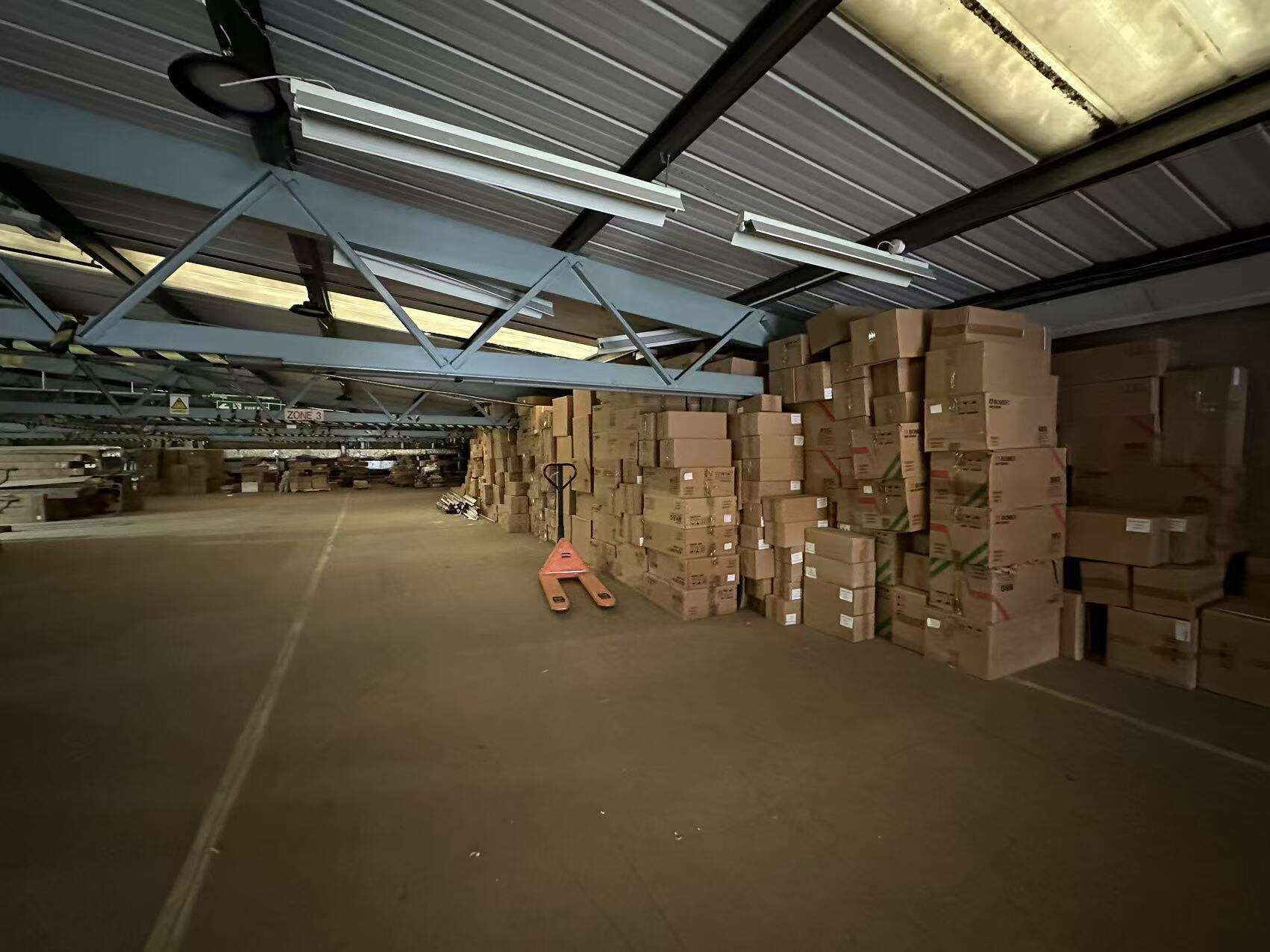
Modern global commerce has transformed the way businesses operate, creating unprecedented demands for efficient logistics solutions that can bridge the gap between manufacturers and international customers. The complexity of managing inventory across multiple continents while maintaining competitive delivery times has led to the emergence of strategic overseas warehouse facilities as cornerstone elements in supply chain management. These sophisticated distribution centers serve as regional hubs that enable businesses to position inventory closer to end customers, fundamentally changing how companies approach international expansion and customer service delivery.

The strategic implementation of overseas warehouse operations has become increasingly critical as businesses seek to optimize their supply chain efficiency while reducing operational costs and improving customer satisfaction. These facilities represent more than simple storage solutions; they function as integrated logistics platforms that enable real-time inventory management, rapid order fulfillment, and streamlined distribution processes. Companies that leverage overseas warehouse infrastructure effectively often experience significant improvements in delivery performance, cost management, and market penetration capabilities across diverse geographic regions.
Strategic Advantages of Overseas Warehouse Implementation
Enhanced Customer Service Delivery
The implementation of overseas warehouse facilities dramatically improves customer service capabilities by reducing delivery times and providing more flexible shipping options to international customers. When inventory is strategically positioned in key markets, businesses can offer same-day or next-day delivery services that were previously impossible with traditional cross-border shipping methods. This proximity to customers enables companies to respond quickly to market demands, process returns more efficiently, and maintain higher inventory availability rates that directly translate to improved customer satisfaction scores.
Furthermore, overseas warehouse operations allow businesses to implement localized customer service strategies that account for regional preferences, cultural considerations, and specific market requirements. The ability to process orders locally means companies can offer native-language customer support, handle currency conversions seamlessly, and provide shipping options that align with local consumer expectations. This localization capability creates competitive advantages that extend beyond mere logistics efficiency to encompass comprehensive market adaptation strategies.
Cost Optimization Through Strategic Positioning
Overseas warehouse facilities enable significant cost reductions through economies of scale and strategic inventory positioning that minimizes long-distance shipping expenses. By consolidating shipments to overseas warehouse locations, businesses can leverage bulk shipping rates and reduce per-unit transportation costs while maintaining inventory closer to demand centers. This approach eliminates the need for expensive express international shipping on individual orders, instead allowing companies to utilize more cost-effective regional distribution methods.
The financial benefits extend to inventory management practices, where overseas warehouse operations enable businesses to optimize stock levels based on local demand patterns rather than maintaining excessive safety stock to compensate for long lead times. Companies can implement just-in-time inventory strategies more effectively when working with regional distribution centers, reducing carrying costs and minimizing the risk of inventory obsolescence while maintaining adequate service levels for their international customers.
Operational Efficiency Improvements
Streamlined Inventory Management Systems
Modern overseas warehouse facilities incorporate advanced inventory management technologies that provide real-time visibility into stock levels, order processing status, and demand forecasting across multiple locations. These systems enable businesses to implement sophisticated inventory optimization strategies that balance carrying costs with service level requirements while maintaining optimal stock rotation and minimizing waste. The integration of warehouse management systems with enterprise resource planning platforms creates seamless information flow that supports data-driven decision making and proactive inventory management.
The technological capabilities of contemporary overseas warehouse operations extend to automated picking and packing systems that improve accuracy while reducing labor costs and processing times. These facilities often incorporate robotics, artificial intelligence, and machine learning algorithms that optimize warehouse layouts, predict maintenance requirements, and enhance overall operational efficiency. The result is a more responsive and reliable supply chain infrastructure that can adapt quickly to changing market conditions and customer demands.
Accelerated Order Fulfillment Processes
The proximity of overseas warehouse facilities to end customers fundamentally transforms order fulfillment capabilities, enabling businesses to process and ship orders within hours rather than days or weeks. This acceleration in fulfillment processes creates competitive advantages in markets where delivery speed has become a primary differentiating factor among suppliers. Companies utilizing overseas warehouse infrastructure can offer expedited shipping options that meet or exceed customer expectations while maintaining cost-effective operations.
The improved fulfillment speed also enables businesses to implement more flexible ordering policies, such as lower minimum order quantities and more frequent delivery options that better align with customer preferences. This flexibility often translates to increased sales volume and improved customer retention rates, as buyers appreciate the convenience and reliability of faster delivery services. The operational efficiency gains from overseas warehouse implementation often compound over time as businesses optimize their processes and leverage data insights to continuously improve performance.
Supply Chain Risk Mitigation
Geographic Diversification Benefits
Overseas warehouse networks provide crucial geographic diversification that reduces supply chain vulnerability to regional disruptions, natural disasters, or geopolitical events that could impact inventory availability. By distributing inventory across multiple overseas warehouse locations, businesses create redundancy that ensures continued operations even when individual facilities or regions experience challenges. This risk mitigation strategy becomes increasingly important as global supply chains face growing uncertainty and volatility in international trade environments.
The diversification benefits extend to currency risk management, where overseas warehouse operations enable businesses to maintain inventory in multiple currencies and geographic regions, reducing exposure to exchange rate fluctuations. Companies can implement hedging strategies more effectively when working with distributed inventory networks, as they have greater flexibility to adjust sourcing and distribution patterns in response to changing economic conditions or trade policies that might impact specific regions or markets.
Enhanced Supply Chain Resilience
The implementation of overseas warehouse infrastructure creates more resilient supply chains that can adapt quickly to disruptions while maintaining service levels for customers across different regions. This resilience stems from the ability to redistribute inventory dynamically among facilities and adjust fulfillment strategies based on real-time conditions and capacity constraints. When disruptions occur in one region, overseas warehouse networks enable businesses to fulfill orders from alternative locations, maintaining customer service continuity.
Supply chain resilience also improves through the enhanced visibility and control that overseas warehouse operations provide over inventory positioning and movement. Companies can implement more sophisticated contingency planning when they have detailed insights into inventory levels, demand patterns, and operational capacity across their warehouse network. This visibility enables proactive responses to potential disruptions and supports more effective resource allocation during challenging periods.
Technology Integration and Innovation
Advanced Analytics and Forecasting
Contemporary overseas warehouse operations leverage sophisticated analytics platforms that provide deep insights into demand patterns, inventory optimization opportunities, and operational performance metrics across multiple markets. These analytical capabilities enable businesses to implement predictive forecasting models that improve inventory planning accuracy while reducing the risk of stockouts or excess inventory. The data generated by overseas warehouse operations creates valuable intelligence that supports strategic decision making and continuous improvement initiatives.
The integration of artificial intelligence and machine learning technologies in overseas warehouse management systems enables automated optimization of inventory allocation, order routing, and resource utilization. These intelligent systems can identify patterns and trends that human analysts might miss while continuously learning from operational data to improve performance over time. The result is more efficient overseas warehouse operations that adapt automatically to changing conditions and optimize performance across multiple dimensions simultaneously.
Integration with E-commerce Platforms
Modern overseas warehouse facilities seamlessly integrate with leading e-commerce platforms and marketplace systems, enabling automated order processing and real-time inventory synchronization across multiple sales channels. This integration capability ensures that inventory levels are accurately reflected across all customer touchpoints while preventing overselling and improving customer experience. The technological sophistication of overseas warehouse operations enables businesses to manage complex multi-channel strategies more effectively.
The platform integration extends to customer communication systems that provide automated shipping notifications, tracking updates, and delivery confirmations that enhance the overall customer experience. These technological capabilities transform overseas warehouse operations from simple storage facilities into comprehensive customer fulfillment platforms that support sophisticated e-commerce strategies and omnichannel retail operations.
Market Expansion and Growth Opportunities
Accelerated International Market Entry
Overseas warehouse infrastructure enables businesses to enter new international markets more quickly and cost-effectively by providing immediate local presence without the need for significant upfront investments in facilities or operations. Companies can test market demand and refine their strategies while leveraging established overseas warehouse capabilities that provide professional-grade logistics support. This approach reduces the barriers to international expansion while minimizing financial risk during market entry phases.
The speed of market entry enabled by overseas warehouse partnerships often provides first-mover advantages in emerging markets where competition may be limited but demand is growing rapidly. Businesses can establish market presence and build customer relationships while competitors are still developing their distribution strategies or investing in their own facility infrastructure. This timing advantage frequently translates to sustainable competitive positioning and market share leadership.
Scalability and Growth Support
Overseas warehouse operations provide inherent scalability that supports business growth without requiring proportional increases in infrastructure investment or operational complexity. As demand increases, companies can expand their overseas warehouse footprint incrementally, adding capacity in strategic locations or enhancing services at existing facilities based on market performance and growth trajectories. This scalable approach enables sustainable growth while maintaining operational efficiency and cost control.
The growth support capabilities of overseas warehouse networks extend to seasonal demand fluctuations and promotional campaigns that might require temporary capacity increases. Flexible overseas warehouse arrangements enable businesses to accommodate peak demand periods without over-investing in permanent infrastructure that might be underutilized during normal operations. This flexibility is particularly valuable for businesses with seasonal products or those implementing aggressive growth strategies in new markets.
FAQ
How do overseas warehouse operations reduce overall supply chain costs
Overseas warehouse facilities reduce supply chain costs through multiple mechanisms including bulk shipping economies, reduced express delivery charges, optimized inventory levels, and improved operational efficiency. By positioning inventory closer to customers, businesses eliminate expensive individual international shipments while leveraging consolidated transportation methods that provide significant per-unit cost reductions. Additionally, the ability to maintain optimal inventory levels based on local demand patterns reduces carrying costs and minimizes the risk of inventory obsolescence.
What technology requirements are necessary for effective overseas warehouse management
Effective overseas warehouse management requires integrated warehouse management systems, real-time inventory tracking capabilities, automated order processing platforms, and comprehensive analytics tools that provide visibility into operational performance. Modern facilities also benefit from integration with e-commerce platforms, customer relationship management systems, and enterprise resource planning solutions that ensure seamless information flow across all business functions. Advanced facilities may incorporate robotics, artificial intelligence, and machine learning technologies that optimize operations and improve efficiency.
How quickly can businesses implement overseas warehouse solutions
Implementation timelines for overseas warehouse solutions vary depending on the complexity of requirements and existing infrastructure, but many businesses can begin operations within 30 to 90 days when working with established logistics providers. The process involves inventory planning, system integration, staff training, and operational testing before full deployment. Companies with existing inventory and established supply chain processes often experience faster implementation timelines compared to businesses launching new international operations.
What factors should businesses consider when selecting overseas warehouse locations
Location selection for overseas warehouse facilities should consider factors including proximity to target customers, transportation infrastructure quality, labor availability and costs, regulatory environment, local market size and growth potential, and integration capabilities with existing supply chain networks. Additional considerations include currency stability, political risk, customs and trade regulations, and the availability of qualified logistics service providers. Strategic location selection often determines the success and profitability of overseas warehouse operations.
Table of Contents
- Strategic Advantages of Overseas Warehouse Implementation
- Operational Efficiency Improvements
- Supply Chain Risk Mitigation
- Technology Integration and Innovation
- Market Expansion and Growth Opportunities
-
FAQ
- How do overseas warehouse operations reduce overall supply chain costs
- What technology requirements are necessary for effective overseas warehouse management
- How quickly can businesses implement overseas warehouse solutions
- What factors should businesses consider when selecting overseas warehouse locations