
 EN
EN


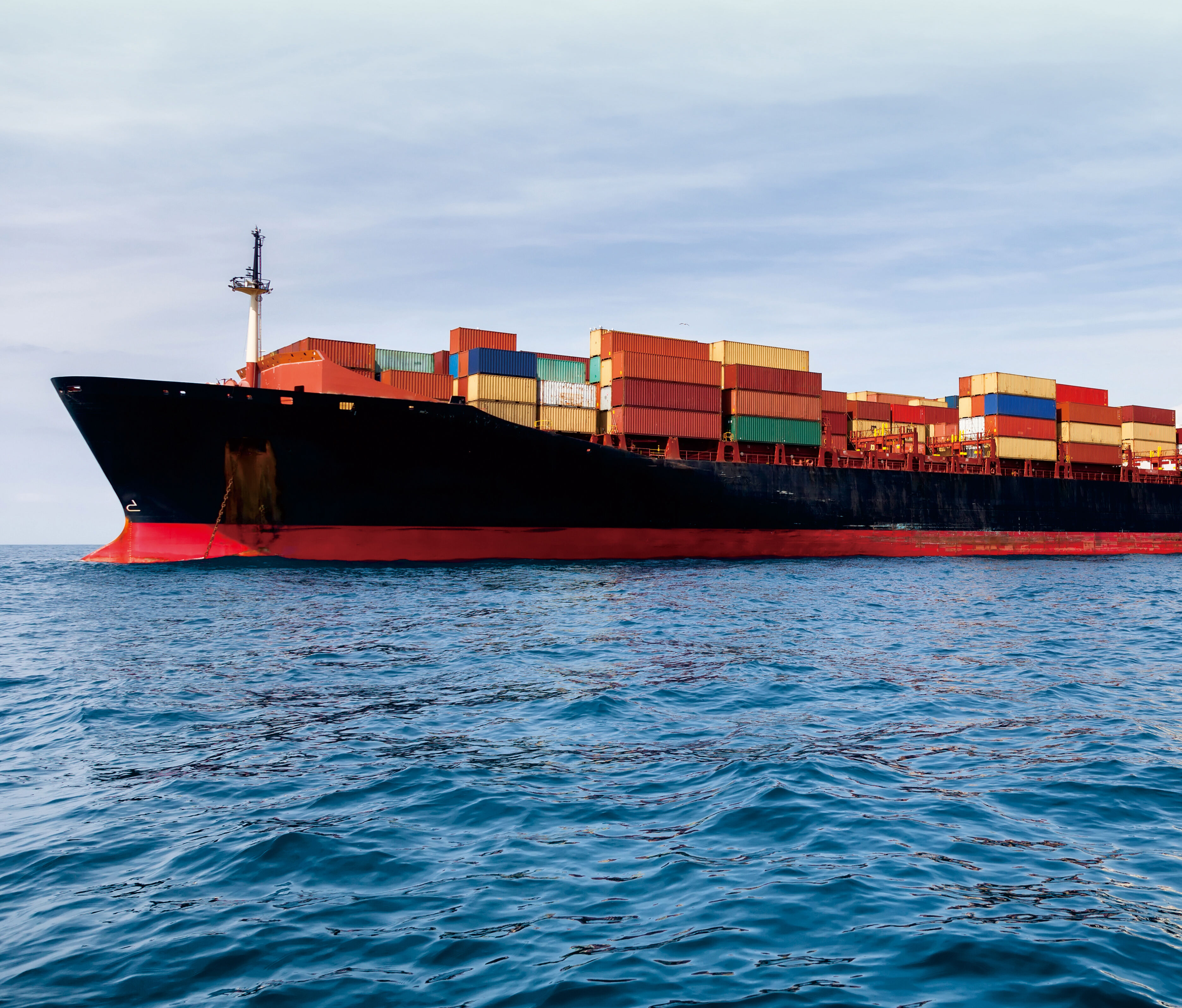
International trade operations face persistent challenges with timing, compliance, and coordination across multiple jurisdictions. Among the most critical factors determining supply chain efficiency is how goods move through customs checkpoints and regulatory inspections. Businesses engaged in cross-border commerce recognize that even minor procedural missteps can cascade into significant operational disruptions, affecting inventory availability, customer satisfaction, and financial performance. The strategic approach known as clearance shipping addresses these vulnerabilities by integrating regulatory compliance, documentation management, and logistics coordination into a unified workflow designed specifically to minimize transit interruptions.
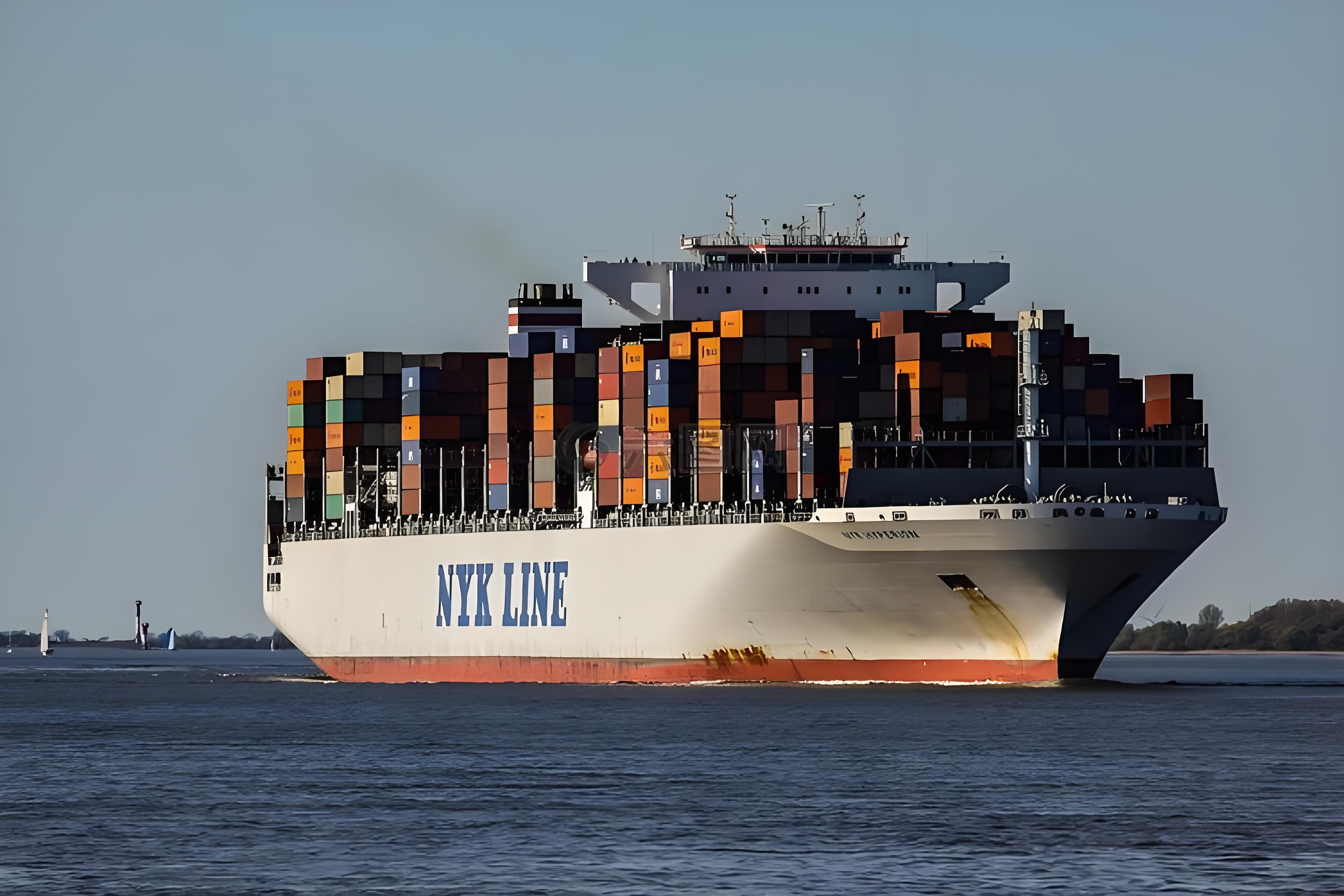
The mechanics of clearance shipping extend beyond basic freight forwarding to encompass proactive regulatory navigation, advanced documentation preparation, and coordinated communication with customs authorities. This specialized service model transforms customs clearance from a reactive checkpoint response into an integrated component of the broader logistics strategy. By understanding how clearance shipping functions as a delay-prevention mechanism, importers and exporters can make informed decisions about their international shipping infrastructure, risk management protocols, and partner selection criteria. The following analysis explores the specific mechanisms through which clearance shipping reduces delay risks and examines the operational frameworks that enable this performance advantage.
Understanding the Delay Prevention Mechanisms in Clearance Shipping
Pre-Shipment Compliance Validation
The foundation of delay prevention in clearance shipping begins long before cargo reaches port facilities. Professional clearance shipping providers conduct comprehensive pre-shipment compliance audits that identify potential regulatory obstacles before goods enter the international transit chain. This validation process examines product classifications against harmonized tariff schedules, verifies licensing requirements for controlled or restricted goods, and confirms that all necessary permits and certificates are obtained in advance. By resolving documentation discrepancies and regulatory gaps during the preparation phase, clearance shipping eliminates the most common causes of customs holds and inspection delays.
The pre-clearance validation extends to verifying that commercial invoices, packing lists, and certificates of origin contain accurate and complete information formatted according to destination country requirements. Customs authorities increasingly utilize automated risk assessment systems that flag shipments with incomplete or inconsistent documentation for manual inspection. clearance shipping specialists understand the specific data elements that trigger these automated reviews and ensure documentation meets both regulatory minimums and practical efficiency standards. This attention to documentary precision significantly reduces the probability of clearance rejections that generate costly delays.
Strategic Documentation Architecture
Documentation management represents perhaps the most critical component of how clearance shipping prevents delays in international trade. The architecture of clearance documentation involves not merely completing required forms but structuring information flows to facilitate rapid processing by customs systems and officials. Professional clearance shipping operations maintain document templates customized for specific trade lanes, ensuring that recurring shipments benefit from established formats that customs authorities recognize and process efficiently. This standardization reduces processing time and minimizes the likelihood of requests for additional information or clarification.
Advanced clearance shipping services leverage electronic data interchange systems that transmit customs declarations and supporting documentation directly into government processing platforms before physical cargo arrival. This advance filing capability allows customs authorities to conduct preliminary risk assessments and documentation reviews while goods are still in transit, dramatically compressing the time between physical arrival and clearance authorization. The electronic submission infrastructure also creates audit trails and version control mechanisms that prevent the document discrepancies and mismatches that frequently trigger inspection holds and clearance delays.
Regulatory Intelligence Integration
International trade regulations exist in constant flux, with tariff classifications, duty rates, licensing requirements, and inspection protocols subject to frequent modification. Clearance shipping providers maintain dedicated regulatory intelligence functions that monitor these changes across multiple jurisdictions and update operational procedures accordingly. This continuous monitoring capability ensures that shipments comply with current requirements rather than outdated regulatory frameworks, preventing the clearance rejections and rework cycles that result from applying superseded procedures.
The regulatory intelligence function extends beyond passive monitoring to include proactive engagement with customs authorities and trade policy bodies. Established clearance shipping operations cultivate relationships with customs officials that facilitate informal guidance on ambiguous regulatory interpretations and advance notice of upcoming procedural changes. These relationships prove particularly valuable when handling unusual shipments or navigating complex classification questions, as they enable rapid resolution of issues that might otherwise generate extended clearance delays while officials research appropriate treatment protocols.
Operational Frameworks That Enable Delay Reduction
Customs Broker Network Architecture
The effectiveness of clearance shipping in preventing delays depends substantially on the structure and capabilities of the customs broker network supporting international movements. Professional clearance shipping operations maintain licensed broker relationships in all relevant jurisdictions, ensuring that local expertise is available to navigate country-specific requirements and procedures. This distributed network architecture eliminates the delays associated with routing shipments through intermediary locations or attempting to manage customs procedures remotely without local regulatory knowledge.
The broker network architecture also enables rapid response when unexpected issues arise during the clearance process. Local brokers can immediately engage with customs officials to address questions or concerns, provide supplementary documentation, or arrange inspections without the communication delays and time zone complications that plague centralized clearance management approaches. This local presence and responsiveness proves particularly critical when managing perishable cargo, time-sensitive manufacturing inputs, or high-value goods where extended storage generates significant carrying costs or operational impacts.
Technology Integration for Process Visibility
Modern clearance shipping operations deploy integrated technology platforms that provide real-time visibility into customs status and clearance progress. These systems aggregate data from customs authorities, carrier tracking systems, and broker communications to create comprehensive shipment status dashboards accessible to all stakeholders. This visibility capability enables proactive exception management by identifying potential delays early enough to implement corrective measures before they impact delivery schedules or downstream operations.
The technology infrastructure supporting effective clearance shipping extends beyond passive status reporting to include predictive analytics capabilities that assess delay probability based on historical patterns, current customs workload, and shipment characteristics. These predictive models allow logistics managers to identify high-risk shipments that warrant enhanced attention or alternative routing strategies. The combination of real-time visibility and predictive intelligence transforms clearance shipping from a reactive service into a strategic capability that actively manages delay risks throughout the international transit cycle.
Contingency Protocol Development
Despite comprehensive planning and execution excellence, international shipments occasionally encounter unexpected obstacles that threaten to generate delays. Professional clearance shipping operations develop detailed contingency protocols that specify response procedures for common disruption scenarios including documentation discrepancies, inspection holds, duty assessment disputes, and regulatory compliance questions. These protocols define escalation paths, alternative documentation strategies, and communication sequences that enable rapid problem resolution when standard procedures prove insufficient.
The contingency planning process includes pre-positioning alternative clearance strategies for high-value or time-sensitive shipments. This preparation might involve obtaining advance rulings on product classifications, securing standby bonds to cover potential duty assessments, or establishing expedited inspection arrangements with customs authorities. By developing these contingency capabilities before they become necessary, clearance shipping providers ensure that disruptions can be managed efficiently without the delays associated with developing solutions in crisis situations.
Strategic Advantages of Integrated Clearance Shipping
Supply Chain Predictability Enhancement
The cumulative effect of effective clearance shipping extends beyond avoiding specific delays to fundamentally enhancing supply chain predictability. When customs clearance processes operate reliably and efficiently, businesses can plan inventory management, production scheduling, and customer commitments with greater confidence in delivery timelines. This predictability reduces the safety stock requirements, expedited freight costs, and customer service complications that result from unreliable international transit performance. The strategic value of this enhanced predictability often exceeds the direct cost savings from avoiding individual clearance delays.
Enhanced predictability also enables more sophisticated supply chain optimization strategies including postponement manufacturing, hub consolidation, and demand-responsive distribution. These advanced strategies depend on reliable international movement capabilities that clearance shipping provides. By transforming customs clearance from a variable constraint into a managed process element, clearance shipping unlocks strategic options that would otherwise remain impractical due to excessive risk exposure from potential delays.
Risk Mitigation Through Compliance Excellence
Beyond operational delays, customs compliance failures can generate substantial financial penalties, cargo seizures, and restrictions on future trade privileges. Professional clearance shipping operations implement systematic compliance management frameworks that reduce exposure to these administrative and financial risks. The documentation standards, regulatory monitoring, and procedural discipline inherent in quality clearance shipping create defensive capabilities that protect businesses from the cascading consequences of compliance failures that extend far beyond individual shipment delays.
The compliance infrastructure developed through clearance shipping also facilitates participation in trusted trader programs and authorized economic operator certifications that provide expedited clearance privileges. These programs recognize businesses that demonstrate consistent compliance excellence by granting reduced inspection rates, simplified documentation requirements, and priority processing during periods of high customs workload. Access to these preferential treatment programs represents a substantial competitive advantage that flows directly from the compliance discipline that effective clearance shipping instills.
Cost Structure Optimization
While clearance shipping represents an investment in specialized expertise and infrastructure, the economic returns from delay prevention typically justify this expenditure through multiple channels. Direct cost avoidance includes eliminating demurrage charges from extended cargo storage, expedited freight premiums to recover delayed shipments, and premium inventory carrying costs from safety stock required to buffer unreliable transit performance. These tangible savings often exceed the service fees associated with professional clearance shipping, creating positive return on investment before considering less quantifiable benefits.
The cost optimization extends to strategic areas including duty minimization through proper tariff classification, trade agreement utilization through origin certification, and drawback recovery through systematic documentation management. Professional clearance shipping providers possess the regulatory knowledge and procedural discipline to identify and capture these cost optimization opportunities that businesses managing clearance internally often overlook. The cumulative value of these optimization opportunities can substantially impact landed cost structures and competitive positioning in price-sensitive markets.
Implementation Considerations for Effective Clearance Shipping
Partner Selection Criteria
Realizing the delay prevention benefits of clearance shipping requires selecting service providers with appropriate capabilities, experience, and commitment to excellence. Key evaluation criteria include the provider's customs broker network coverage in relevant trade lanes, technology platform sophistication for visibility and communication, regulatory expertise in applicable product categories, and demonstrated performance metrics including clearance cycle times and exception rates. Businesses should conduct thorough due diligence including reference checks with clients operating in similar industries and trade lanes to verify provider capabilities match service claims.
The partner selection process should also evaluate the provider's approach to relationship management and communication protocols. Effective clearance shipping depends on close collaboration between the service provider, the importing or exporting business, and various third parties including carriers and customs authorities. Providers that demonstrate proactive communication habits, responsive problem-solving approaches, and commitment to continuous improvement typically deliver superior delay prevention performance compared to those offering purely transactional service models.
Internal Process Alignment
Maximizing the effectiveness of clearance shipping requires aligning internal business processes with the documentation requirements and timing constraints of international trade. This alignment includes implementing systems that generate accurate commercial invoices and packing lists, establishing procurement procedures that capture origin documentation from suppliers, and creating order management workflows that provide clearance shipping providers with adequate advance notice of upcoming shipments. Without this internal process discipline, even excellent clearance shipping providers cannot fully prevent delays caused by late or incomplete information provision.
The internal alignment effort should include cross-functional collaboration between logistics, procurement, sales, and finance teams to ensure all stakeholders understand their roles in supporting efficient clearance shipping. This collaboration proves particularly important when managing complex transactions involving multiple parties, split shipments, or goods subject to special regulatory requirements. Establishing clear accountability for documentation provision, decision authority for clearance issues, and communication protocols for exception management creates the internal infrastructure necessary to leverage clearance shipping capabilities effectively.
Performance Measurement and Continuous Improvement
Sustaining the delay prevention benefits of clearance shipping requires systematic performance measurement and continuous improvement initiatives. Key metrics include clearance cycle time from arrival to release, exception rate measuring the frequency of clearance holds or complications, documentation accuracy rates, and cost per transaction. Regular review of these metrics enables identification of performance trends, emerging issues, and improvement opportunities that maintain clearance shipping effectiveness as business volumes, product mixes, and regulatory environments evolve.
The performance measurement framework should include root cause analysis of delays that do occur despite clearance shipping processes. Understanding the specific factors that contributed to exceptions enables targeted process refinements that address actual vulnerabilities rather than implementing generic improvements with uncertain impact. This analytical approach to continuous improvement ensures that clearance shipping capabilities evolve in response to real operational experience rather than theoretical best practices that may not address the specific challenges a business faces in its particular trade lanes and product categories.
FAQ
What is the typical time savings that clearance shipping provides compared to standard freight forwarding?
Professional clearance shipping typically reduces customs processing time by 40 to 60 percent compared to standard freight forwarding without specialized customs expertise. Standard shipments often experience clearance cycles of three to five business days, while optimized clearance shipping can achieve release within 24 to 48 hours of arrival. The time savings vary based on trade lane characteristics, product complexity, and destination country procedures, but the performance advantage remains consistent across most international routes. This compression of clearance time translates directly to faster overall transit performance and reduced inventory pipeline requirements.
Can clearance shipping guarantee that no delays will occur during customs processing?
While clearance shipping substantially reduces delay probability, no service can absolutely guarantee zero delays given the inherent uncertainties in international trade including random customs inspections, regulatory changes, and external disruptions. Professional clearance shipping providers can typically achieve clearance success rates exceeding 95 percent on first submission without holds or additional documentation requests. The remaining percentage represents situations involving random physical inspections, policy interpretation questions, or extraordinary circumstances beyond provider control. The value proposition centers on minimizing preventable delays through excellence in documentation, compliance, and process management rather than eliminating all possible sources of delay.
How does clearance shipping interact with trade compliance programs and authorized trader certifications?
Clearance shipping serves as the operational foundation for participation in trade compliance programs including Customs-Trade Partnership Against Terrorism, Authorized Economic Operator certifications, and similar trusted trader initiatives. These programs require demonstrated compliance excellence, systematic risk management, and documented security protocols that professional clearance shipping naturally provides. Participation in these programs then enhances clearance shipping performance by granting expedited processing privileges, reduced inspection rates, and priority handling during peak periods. This creates a virtuous cycle where clearance shipping excellence enables program participation that further improves clearance efficiency and delay prevention capabilities.
What documentation preparation timeline does clearance shipping require to maximize delay prevention effectiveness?
Optimal clearance shipping performance requires providing complete documentation to customs brokers at least 48 to 72 hours before cargo arrival at the destination port or border crossing. This advance provision enables thorough documentation review, electronic pre-filing with customs authorities, and resolution of any issues before physical arrival. Shipments with documentation provided less than 24 hours before arrival sacrifice much of the delay prevention advantage that clearance shipping offers, as brokers lack sufficient time to conduct comprehensive reviews and advance filings. For recurring shipments on established trade lanes, many businesses implement standing documentation protocols that further compress preparation timelines while maintaining quality standards.
Table of Contents
- Understanding the Delay Prevention Mechanisms in Clearance Shipping
- Operational Frameworks That Enable Delay Reduction
- Strategic Advantages of Integrated Clearance Shipping
- Implementation Considerations for Effective Clearance Shipping
-
FAQ
- What is the typical time savings that clearance shipping provides compared to standard freight forwarding?
- Can clearance shipping guarantee that no delays will occur during customs processing?
- How does clearance shipping interact with trade compliance programs and authorized trader certifications?
- What documentation preparation timeline does clearance shipping require to maximize delay prevention effectiveness?