
 EN
EN


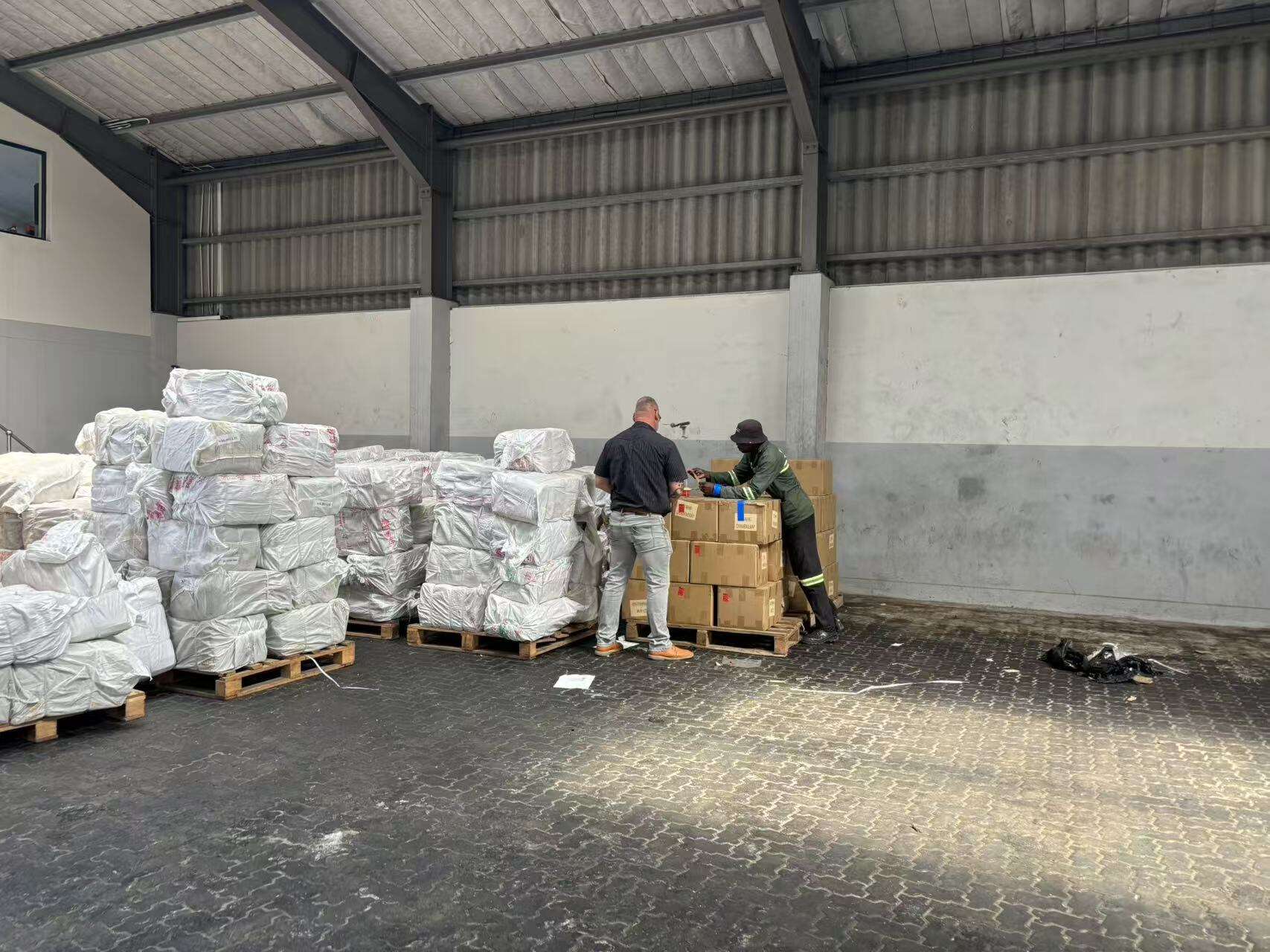
In the interconnected world of international commerce, clearance shipping serves as the critical bridge between manufacturing origins and final destinations across borders. This specialized logistics function encompasses the regulatory processes, documentation handling, and compliance verification that permit goods to legally cross international boundaries. As global supply chains grow increasingly complex, understanding the multifaceted role of clearance shipping becomes essential for businesses seeking to maintain competitive advantage, reduce operational delays, and ensure seamless product flow across diverse regulatory environments.

The strategic importance of clearance shipping extends far beyond simple administrative tasks, directly impacting delivery timelines, cost structures, inventory management strategies, and customer satisfaction levels. Modern enterprises must navigate an intricate web of customs regulations, tariff classifications, trade agreements, and security protocols that vary significantly across jurisdictions. The effectiveness with which organizations manage clearance shipping operations often determines their ability to scale internationally, optimize working capital, and respond dynamically to market demands while maintaining full regulatory compliance across all operating territories.
The Fundamental Nature of Clearance Shipping in International Trade
Defining Clearance Shipping Within Supply Chain Context
Clearance shipping represents the comprehensive set of activities required to satisfy governmental authorities that imported or exported goods meet all legal requirements for entry or exit from a country. This process involves preparing and submitting documentation to customs authorities, paying applicable duties and taxes, and obtaining official release of cargo for onward transportation. Within global supply chains, clearance shipping functions as a mandatory checkpoint that validates product legitimacy, ensures regulatory compliance, and protects national economic interests while facilitating legitimate trade flows.
The scope of clearance shipping encompasses multiple dimensions including tariff classification under harmonized system codes, valuation determination for duty assessment, country of origin verification, and compliance with product-specific regulations ranging from safety standards to intellectual property protections. Organizations engaged in international commerce must establish robust clearance shipping capabilities either through internal expertise development or partnership with specialized customs brokers who possess deep knowledge of regulatory frameworks across multiple jurisdictions and maintain current awareness of frequently changing trade policies.
Beyond basic documentation processing, effective clearance shipping involves strategic planning around duty optimization, preferential trade agreement utilization, and risk mitigation against potential delays or penalties. Companies that view clearance shipping merely as an administrative necessity often experience higher costs and operational disruptions compared to those that integrate customs strategy into broader supply chain design, recognizing how clearance efficiency directly influences inventory positioning, transportation mode selection, and overall landed cost competitiveness in target markets.
Regulatory Frameworks Governing Clearance Shipping Operations
Every nation maintains sovereign authority to regulate goods crossing its borders, resulting in a complex global landscape of customs laws, import restrictions, export controls, and trade compliance requirements that clearance shipping operations must navigate. These regulatory frameworks serve multiple governmental objectives including revenue collection through tariffs and taxes, protection of domestic industries, enforcement of safety and quality standards, prevention of illegal goods trafficking, and implementation of foreign policy through trade sanctions or preferential agreements with specific trading partners.
International organizations such as the World Customs Organization work to harmonize clearance shipping practices through instruments like the Revised Kyoto Convention, which establishes standardized approaches to customs procedures, and the SAFE Framework of Standards, which addresses security concerns in global supply chains. However, significant variations persist across jurisdictions in documentation requirements, inspection protocols, electronic system capabilities, and processing timelines. Successful clearance shipping requires deep familiarity with specific country requirements and continuous monitoring of regulatory changes that can substantially impact established operational procedures.
The regulatory dimension of clearance shipping has intensified in recent decades with heightened focus on supply chain security following global security concerns, increased enforcement of intellectual property rights, stricter product safety requirements, and expanding environmental regulations affecting certain product categories. Organizations must increasingly demonstrate not only compliance with destination country requirements but also adherence to export control regulations in origin countries, particularly for technology products, dual-use items, and goods destined for sanctioned entities or restricted end-uses.
Strategic Functions of Clearance Shipping in Supply Chain Performance
Velocity Optimization Through Efficient Clearance Processes
The speed at which goods progress through clearance shipping directly determines overall supply chain velocity, affecting inventory turnover rates, order fulfillment timelines, and the ability to respond rapidly to market demand fluctuations. Delays in customs clearance create ripple effects throughout the supply network, potentially requiring safety stock increases, expedited transportation upgrades, or even lost sales when products cannot reach customers within expected timeframes. Organizations that achieve clearance shipping excellence gain significant competitive advantages through faster market responsiveness and reduced working capital requirements tied up in in-transit inventory.
Advanced clearance shipping strategies leverage various mechanisms to accelerate customs processing including pre-arrival documentation submission, trusted trader program participation such as Authorized Economic Operator status, and strategic use of bonded warehousing facilities that permit goods to enter a country before full customs clearance completion. These approaches require upfront investment in compliance infrastructure, information system integration, and procedural discipline but deliver substantial returns through consistent, predictable clearance timelines that enable more aggressive inventory planning and transportation optimization.
Technology integration has become central to clearance shipping velocity improvement, with electronic data interchange systems enabling real-time information sharing between supply chain partners and customs authorities. Organizations implementing sophisticated clearance shipping platforms gain visibility into clearance status, receive advance notification of potential issues, and can proactively address documentation discrepancies before they cause delays. This digital transformation of clearance shipping processes represents a fundamental shift from reactive problem-solving toward predictive risk management that maintains continuous goods flow across international boundaries.
Cost Management Through Strategic Clearance Planning
Clearance shipping exerts substantial influence on total landed cost through multiple cost components including customs duties, value-added taxes, excise taxes on specific product categories, customs broker fees, and potential penalty costs from compliance failures. Strategic approaches to clearance shipping can significantly reduce these expenses through duty engineering, proper tariff classification, maximization of preferential trade agreement benefits, and first-sale-for-export valuation strategies when applicable under regulatory guidelines and supported by proper transaction documentation.
Organizations with sophisticated clearance shipping capabilities conduct systematic analysis of product classifications to ensure goods are entered under the most favorable tariff codes permitted by law, recognizing that proper classification requires technical product knowledge combined with customs regulation expertise. Misclassification risks both underpayment penalties and overpayment of unnecessary duties, while correct classification optimizes duty expenses within full compliance frameworks. Similarly, strategic utilization of free trade agreements requires origin determination processes, supplier certification programs, and documentation systems that substantiate preferential treatment claims during potential customs audits.
The financial impact of clearance shipping extends beyond direct duty and tax payments to encompass working capital implications from duty payment timing, potential duty drawback recovery opportunities for re-exported goods, and insurance costs related to goods in customs custody. Comprehensive clearance shipping strategies incorporate these financial dimensions into supply chain design decisions, influencing choices around supply base location, manufacturing versus assembly operations, and inventory positioning relative to customs boundaries to optimize total cost structures while maintaining operational flexibility.
Risk Mitigation Through Compliance Excellence
Clearance shipping represents a critical risk management function within global supply chains, as compliance failures can result in consequences ranging from shipment delays and financial penalties to criminal prosecution and loss of import privileges. Customs authorities worldwide have intensified enforcement activities, implementing risk-based inspection protocols, conducting post-clearance audits extending years into historical transactions, and imposing substantial penalties for violations including incorrect valuation, improper classification, origin misrepresentation, and inadequate recordkeeping supporting clearance declarations.
Effective clearance shipping programs establish comprehensive compliance frameworks encompassing internal controls, staff training, supplier qualification processes, and audit readiness procedures that demonstrate organizational commitment to regulatory adherence. These systems document decision-making rationale for classification determinations, maintain complete transaction records supporting valuation declarations, track preferential origin claims with supporting certificates, and ensure proper license management for controlled goods. Organizations viewing clearance shipping compliance as strategic risk management rather than administrative burden position themselves to withstand regulatory scrutiny while maintaining operational continuity.
Beyond avoiding penalties, excellence in clearance shipping compliance creates opportunities to participate in trusted trader programs offering tangible benefits including reduced inspection rates, expedited processing, and advance clearance privileges. These programs require demonstrated compliance history, robust internal controls, and transparent information sharing with customs authorities, but provide significant operational advantages that improve supply chain reliability and reduce uncertainty in clearance timelines. The reputational benefits of recognized compliance excellence also strengthen relationships with regulatory authorities and enhance corporate standing in industries where regulatory compliance represents a competitive differentiator.
Clearance Shipping Impact on Supply Chain Design Decisions
Network Configuration and Facility Location Strategy
Clearance shipping considerations fundamentally influence supply chain network design, affecting decisions about manufacturing location, distribution center placement, and inventory positioning relative to customs boundaries. Organizations must balance duty minimization strategies, transportation cost optimization, and market proximity requirements while considering how clearance shipping requirements at various network nodes impact total system performance. The strategic placement of facilities in free trade zones, bonded warehouses, or specific countries with favorable trade agreements can substantially alter clearance shipping requirements and associated costs.
Distribution network strategies increasingly incorporate clearance shipping optimization through approaches such as centralized clearance processing at major gateway facilities versus distributed clearance at multiple regional entry points. Centralized models can achieve economies of scale in clearance shipping expertise, broker relationships, and documentation processing but may increase transportation distances and times. Distributed approaches position inventory closer to final markets and potentially reduce clearance-related delays but require replication of clearance shipping capabilities across multiple locations with varying regulatory environments and potentially inconsistent processing efficiency.
The emergence of e-commerce has introduced new dimensions to clearance shipping's role in network design, particularly regarding direct-to-consumer international shipments that face different regulatory treatment than traditional commercial cargo. Organizations serving global consumer markets must develop clearance shipping capabilities appropriate to small parcel international shipping, including de minimis threshold management, simplified clearance procedures for low-value shipments, and compliance with consumer protection regulations in destination markets. These requirements often necessitate partnerships with specialized logistics providers possessing clearance shipping infrastructure tailored to e-commerce shipment profiles.
Inventory Management and Working Capital Optimization
Clearance shipping exerts profound influence on inventory management strategies through its impact on lead time variability, in-transit inventory duration, and the feasibility of postponement strategies that delay final product configuration until closer to actual demand realization. Unpredictable clearance shipping timelines force organizations to maintain higher safety stock levels to buffer against potential delays, increasing working capital requirements and storage costs. Conversely, reliable, efficient clearance shipping enables leaner inventory positions, faster inventory turnover, and improved return on invested capital through reduced inventory holding costs.
Strategic approaches to clearance shipping support inventory optimization through mechanisms such as bonded warehousing, which permits goods to physically enter a country before customs duties are paid, deferring duty payment until goods are withdrawn for consumption and potentially eliminating duty liability entirely if goods are re-exported. This approach effectively extends payment terms and improves cash flow while providing flexibility to respond to market demand without committing to final customs clearance until actual customer orders materialize. Organizations leveraging these capabilities gain working capital advantages while maintaining market responsiveness.
The integration of clearance shipping planning with demand forecasting and inventory positioning decisions enables more sophisticated supply chain strategies including postponement of customs clearance to align duty payment with revenue recognition, strategic use of free trade zones for value-added processing before market entry, and dynamic routing decisions that direct shipments through clearance locations offering optimal cost and timeline combinations based on current capacity and regulatory conditions. These advanced approaches require information system integration that provides real-time visibility into clearance shipping status and enables rapid decision-making based on current supply chain conditions.
Supplier Relationship Management and Sourcing Decisions
Clearance shipping considerations significantly influence sourcing decisions and supplier selection criteria, as the country of origin directly determines applicable tariff rates, preferential trade agreement eligibility, and potential restrictions or additional requirements affecting importation feasibility. Organizations developing global sourcing strategies must evaluate total landed cost including clearance shipping implications rather than focusing solely on ex-works purchase prices. A supplier offering lower unit costs may prove more expensive overall when duties, clearance delays, and compliance risks are incorporated into comprehensive cost analysis.
Effective supplier relationship management in global supply chains requires collaboration on clearance shipping requirements, including supplier provision of accurate product information supporting tariff classification, completion of preferential origin certificates when applicable, and compliance with importer recordkeeping requirements. Organizations with mature clearance shipping capabilities establish supplier qualification programs that verify supplier understanding of documentation requirements, assess supplier compliance with origin rules, and ensure supplier systems can provide transaction information supporting importer customs declarations and potential audit defense.
The complexity of clearance shipping requirements influences supply base consolidation decisions, as managing numerous suppliers across multiple countries multiplies the regulatory environments requiring expertise, increases documentation management burden, and complicates compliance assurance processes. Organizations may strategically concentrate sourcing within specific countries or regions to streamline clearance shipping operations, leverage accumulated regulatory expertise, and maximize utilization of preferential trade agreements. However, this concentration must be balanced against supply chain resilience considerations and the risk exposure created by geographic concentration of critical supply sources.
Technology Enablement of Modern Clearance Shipping Operations
Digital Transformation in Customs Processing
The digitalization of clearance shipping represents one of the most significant transformations in global trade facilitation, with customs authorities worldwide implementing electronic systems that replace paper-based documentation with digital information exchange. These systems enable advance cargo information submission, automated risk assessment, electronic payment of duties and taxes, and digital release notifications that accelerate clearance processing while improving regulatory oversight. Organizations adapting to this digital clearance shipping environment gain processing speed advantages and reduced administrative burden compared to those maintaining legacy paper-based approaches.
Advanced clearance shipping platforms integrate with enterprise resource planning systems, transportation management systems, and supplier networks to automate data collection, documentation generation, and submission processes that eliminate manual data entry, reduce error rates, and ensure consistent compliance with regulatory filing requirements. These integrated systems maintain complete audit trails supporting customs declarations, enable systematic tracking of clearance status across multiple shipments and jurisdictions, and provide analytical capabilities identifying patterns in clearance delays, cost variations, or compliance issues requiring corrective action.
Emerging technologies including blockchain, artificial intelligence, and Internet of Things sensors promise further transformation of clearance shipping through enhanced supply chain visibility, automated compliance verification, and seamless information sharing among supply chain participants and regulatory authorities. Blockchain applications enable tamper-proof documentation chains supporting origin verification and trade agreement compliance claims. Artificial intelligence systems can predict clearance delays based on historical patterns, optimize classification decisions, and identify anomalies indicating potential compliance risks. IoT sensors provide continuous cargo condition monitoring and location tracking that support security requirements while enabling proactive exception management.
Data Analytics for Clearance Shipping Optimization
Sophisticated organizations leverage data analytics to continuously improve clearance shipping performance through systematic analysis of clearance timelines, cost patterns, compliance metrics, and operational efficiency indicators. These analytical approaches identify bottlenecks in clearance processes, quantify the business impact of delays at specific customs locations or for particular product categories, and support data-driven decision-making around network design, carrier selection, and customs broker performance management. The insights generated through clearance shipping analytics enable targeted improvement initiatives that deliver measurable enhancements in supply chain velocity and cost efficiency.
Predictive analytics applications in clearance shipping help organizations anticipate potential issues before they cause disruptions, including identification of shipments with elevated inspection risk, prediction of clearance timeline variations based on current customs authority workload and historical patterns, and early warning of documentation deficiencies that could trigger delays or penalties. These capabilities enable proactive intervention including documentation correction before submission, strategic timing of clearance processing to avoid peak congestion periods, and contingency planning for shipments identified as high-risk for extended clearance duration.
Benchmarking analytics compare clearance shipping performance across different customs locations, logistics service providers, product categories, and time periods to identify best practices and improvement opportunities. Organizations tracking metrics such as average clearance time by port of entry, duty cost as percentage of product value by commodity category, and clearance exception rates by broker or internal processing team gain insights supporting continuous improvement initiatives. These comparative analyses also inform strategic decisions around network configuration, service provider selection, and resource allocation to clearance shipping activities that generate greatest return on improvement investment.
Collaboration Platforms Connecting Supply Chain Partners
Modern clearance shipping increasingly relies on collaborative platforms that connect importers, exporters, carriers, customs brokers, and regulatory authorities in integrated information-sharing ecosystems. These platforms enable real-time visibility into shipment status, facilitate document exchange without manual transmission, coordinate exception resolution among relevant parties, and create single sources of truth for transaction information that eliminate discrepancies between different participants' records. Organizations participating in these collaborative clearance shipping ecosystems gain efficiency through reduced communication overhead and improved coordination across organizational boundaries.
Port community systems represent a specific form of collaborative platform focused on clearance shipping coordination within maritime gateway facilities, integrating information flows among shipping lines, terminal operators, customs authorities, port authorities, and cargo owners to optimize vessel operations, cargo handling, and customs processing. Participation in these systems provides organizations access to enhanced clearance shipping services including appointment scheduling for cargo pickup, real-time visibility into container availability after customs release, and coordinated processing that reduces overall dwell time in port facilities.
The effectiveness of collaborative clearance shipping platforms depends on standardization of data formats, establishment of governance frameworks defining participant responsibilities, and development of trust relationships among parties with potentially divergent interests. Organizations contributing to platform governance and actively engaging with other ecosystem participants position themselves to influence system evolution in directions supporting their strategic objectives while building relationships that facilitate problem resolution and continuous improvement in shared clearance shipping processes.
FAQ
How does clearance shipping differ from standard freight forwarding services?
Clearance shipping specifically focuses on the regulatory compliance and customs clearance aspects of international goods movement, involving preparation and submission of documentation to satisfy governmental import or export requirements, classification of goods under tariff schedules, calculation and payment of applicable duties and taxes, and obtaining official release from customs authorities. Freight forwarding encompasses the broader logistics coordination including carrier selection, booking, documentation for transportation purposes, and physical cargo movement. While many freight forwarders offer clearance shipping services, the functions are distinct, with clearance shipping requiring specialized regulatory knowledge and often involving licensed customs brokers who represent importers before government authorities in customs matters.
What are the typical timeframes for clearance shipping in major trade lanes?
Clearance shipping timeframes vary significantly based on multiple factors including the specific customs authority, cargo type, documentation completeness, inspection requirements, and whether the importer participates in trusted trader programs. In streamlined environments with advance electronic filing and low-risk cargo, clearance shipping may complete within hours of cargo arrival. More complex situations involving physical inspections, specialized product approvals, or documentation issues can extend clearance shipping to several days or even weeks. Major developed economies with mature customs automation generally process routine commercial shipments within one to three business days, while emerging markets may require longer periods due to less automated processes or more intensive inspection protocols. Organizations should establish baseline performance expectations for their specific trade lanes and product categories through historical data analysis.
Can companies manage clearance shipping internally or must they use customs brokers?
Regulatory requirements regarding clearance shipping vary by country, with some jurisdictions mandating use of licensed customs brokers for certain transaction types while others permit companies to conduct self-clearance. In the United States, importers may file their own customs entries but must designate an individual to hold customs broker license or operate under continuous bond and meet competency requirements. Many organizations choose to engage customs brokers even when self-clearance is permitted, recognizing the specialized expertise required for proper tariff classification, valuation, origin determination, and navigation of complex regulatory requirements. Large companies with substantial import volumes sometimes develop internal clearance shipping capabilities for routine transactions while retaining broker relationships for complex or unusual situations requiring specialized expertise.
How do free trade agreements impact clearance shipping requirements and benefits?
Free trade agreements establish preferential tariff treatment for goods originating in member countries, potentially reducing or eliminating customs duties that would otherwise apply to imported products. However, obtaining these clearance shipping benefits requires compliance with specific origin rules defined in each agreement, maintenance of documentation substantiating origin claims, and proper declaration of preferential treatment at time of importation. The origin rules vary significantly among different agreements, ranging from relatively simple wholly obtained or minimum value-added thresholds to complex tariff shift requirements or specific manufacturing process criteria. Organizations must implement systematic clearance shipping processes for origin determination, supplier certification programs, and recordkeeping systems supporting potential customs audits of preferential claims to reliably access duty savings while maintaining full compliance with agreement requirements.
Table of Contents
- The Fundamental Nature of Clearance Shipping in International Trade
- Strategic Functions of Clearance Shipping in Supply Chain Performance
- Clearance Shipping Impact on Supply Chain Design Decisions
- Technology Enablement of Modern Clearance Shipping Operations
-
FAQ
- How does clearance shipping differ from standard freight forwarding services?
- What are the typical timeframes for clearance shipping in major trade lanes?
- Can companies manage clearance shipping internally or must they use customs brokers?
- How do free trade agreements impact clearance shipping requirements and benefits?