
 EN
EN


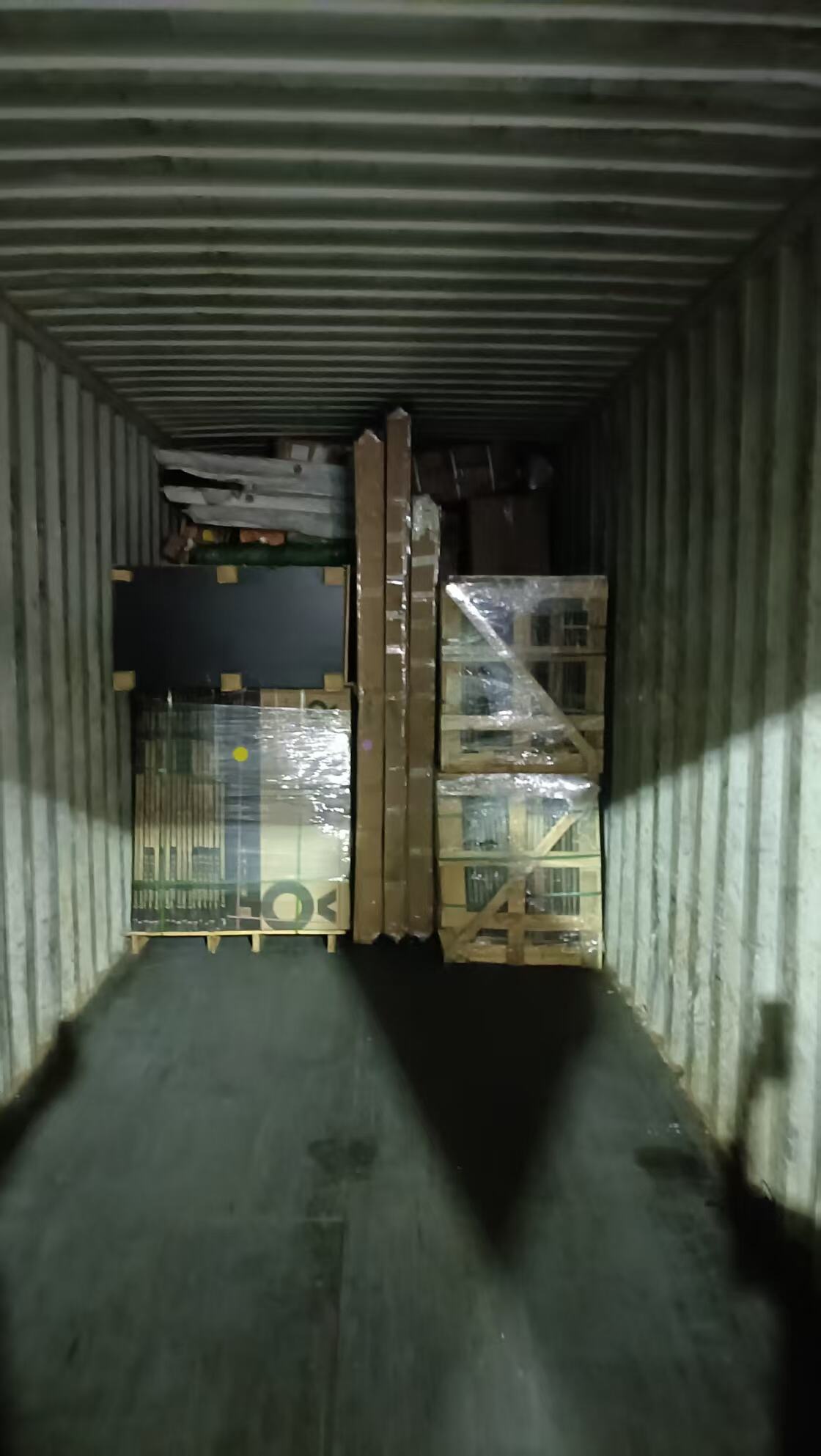
Oversized transportation serves as a critical risk mitigation strategy in global logistics operations, fundamentally transforming how companies approach the movement of large-scale industrial equipment, machinery, and specialized cargo across international borders. By consolidating multiple smaller shipments into single oversized loads, businesses can significantly reduce exposure to various logistical risks while maintaining operational efficiency and cost-effectiveness throughout their supply chain networks.
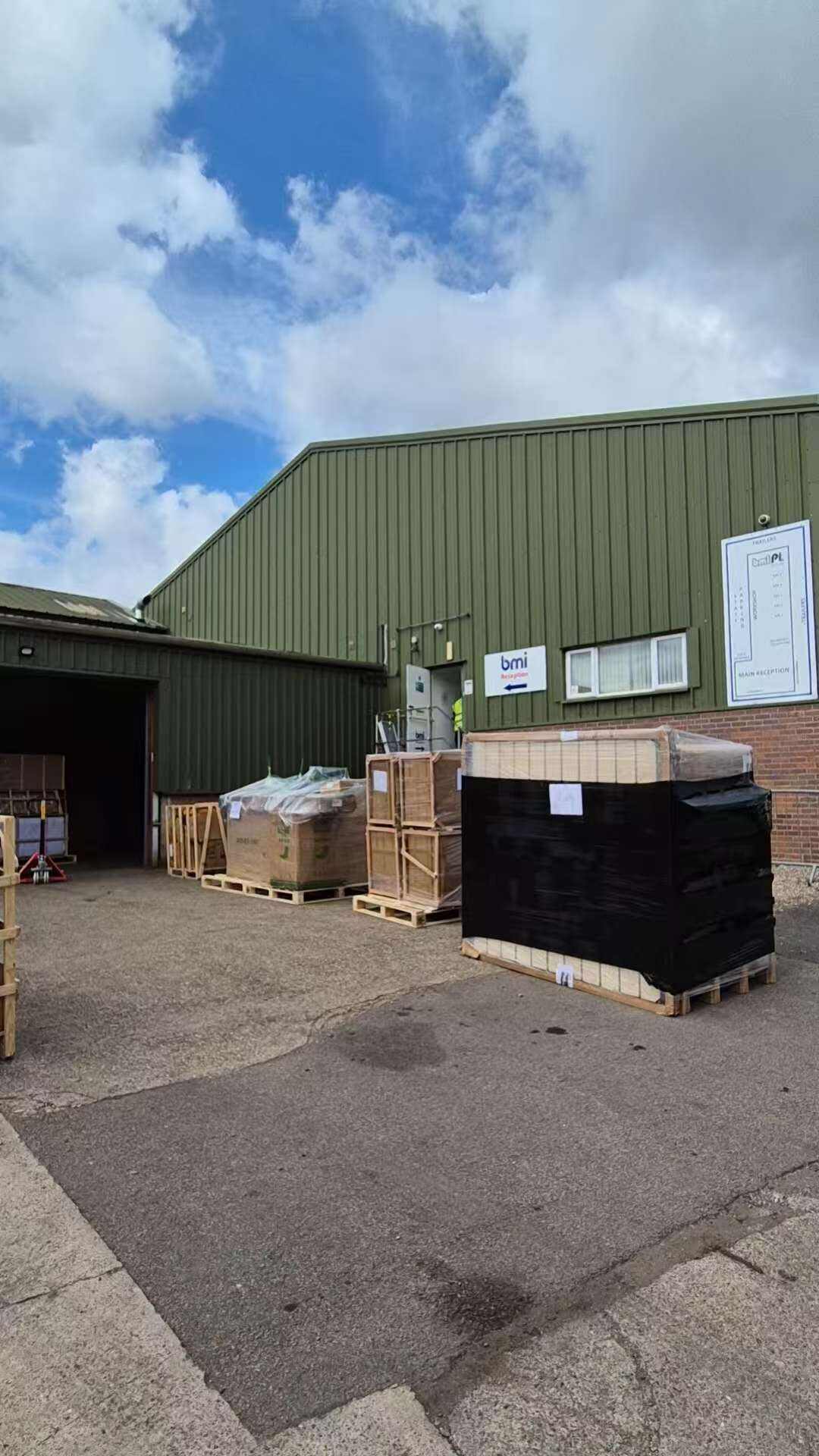
The strategic implementation of oversized transportation methodologies creates multiple layers of protection against common global logistics challenges, including cargo damage, theft, delays, and regulatory complications. This comprehensive approach to heavy haul logistics enables organizations to maintain greater control over their most valuable and sensitive shipments while reducing the cumulative risk exposure that typically accompanies fragmented shipping strategies.
Understanding Risk Reduction Through Consolidated Shipping Strategies
Minimizing Handling-Related Damage Risks
Oversized transportation dramatically reduces cargo handling frequency, which represents one of the most significant sources of damage in global logistics operations. Traditional shipping methods often require multiple loading and unloading cycles, transfers between different carriers, and temporary storage at various intermediate facilities. Each of these touchpoints introduces potential damage risks that can result in costly repairs, insurance claims, and project delays.
When utilizing oversized transportation solutions, specialized equipment and experienced handling teams manage cargo from origin to destination with minimal intermediate handling. This streamlined approach protects sensitive industrial components, precision machinery, and high-value equipment from the cumulative stress of multiple handling events. The reduction in physical manipulation translates directly to lower damage rates and improved cargo integrity throughout the transportation process.
Professional oversized transportation providers employ specialized lifting equipment, custom securing systems, and trained personnel who understand the unique requirements of heavy and dimensional cargo. This expertise ensures that cargo remains properly supported and protected during the entire journey, significantly reducing the likelihood of structural damage or component failure that might occur through conventional shipping methods.
Reducing Security and Theft Vulnerabilities
Cargo security represents a major concern in global logistics, particularly when valuable equipment or materials must traverse multiple jurisdictions and transportation modes. Oversized transportation addresses these security challenges by maintaining cargo visibility and control throughout the shipping process, reducing opportunities for theft or unauthorized access that commonly occur during fragmented shipping arrangements.
The specialized nature of oversized transportation creates inherent security advantages, as heavy haul cargo typically requires specialized equipment and permits that make unauthorized removal extremely difficult. This natural deterrent effect, combined with dedicated escort services and real-time tracking capabilities, provides enhanced security compared to conventional shipping methods where cargo may sit unattended in general freight facilities.
Additionally, oversized transportation often involves direct routing strategies that minimize dwell time at intermediate facilities, reducing exposure to high-risk areas and limiting opportunities for security breaches. The continuous movement and specialized handling requirements create a more controlled environment that enhances overall cargo protection throughout the global supply chain.
Operational Efficiency and Schedule Risk Mitigation
Streamlining Complex Multi-Modal Logistics
Global logistics operations involving oversized cargo often require coordination across multiple transportation modes, including road, rail, sea, and air transport. Traditional approaches to managing these complex movements can introduce significant schedule risks due to coordination challenges, transfer delays, and mode-specific limitations. Oversized transportation strategies address these challenges through integrated planning and specialized multi-modal capabilities.
Professional oversized transportation providers maintain expertise across all transportation modes and understand the specific requirements, limitations, and opportunities within each segment. This comprehensive knowledge enables them to design optimal routing strategies that minimize transfers, reduce delays, and maintain schedule integrity even when dealing with complex international shipping requirements.
The integration of specialized equipment and handling procedures across different transportation modes ensures smooth transitions and reduces the likelihood of delays caused by incompatible systems or inadequate infrastructure. This seamless approach to multi-modal coordination significantly reduces schedule risks and improves overall delivery reliability for critical project cargo.
Managing Regulatory Compliance and Permit Coordination
International oversized transportation involves complex regulatory requirements, including permits, route restrictions, escort requirements, and timing limitations that vary significantly between different countries and jurisdictions. Managing these regulatory challenges independently can introduce substantial risks related to delays, fines, or cargo detention that can severely impact project timelines and budgets.
Experienced oversized transportation providers maintain established relationships with regulatory authorities and possess deep knowledge of permit requirements across multiple jurisdictions. This expertise enables them to proactively manage compliance issues, secure necessary authorizations, and coordinate with local authorities to ensure smooth passage through international borders and domestic transportation networks.
The proactive management of regulatory requirements reduces the risk of unexpected delays or compliance issues that could otherwise disrupt critical project schedules. By leveraging established processes and relationships, oversized transportation providers can navigate complex regulatory environments while maintaining transparency and communication with all stakeholders throughout the shipping process.
Financial Risk Management and Cost Optimization
Reducing Insurance and Liability Exposure
Insurance costs and liability exposure represent significant financial considerations in global logistics operations, particularly when dealing with high-value industrial equipment and specialized machinery. Oversized transportation strategies can substantially reduce these financial risks through improved cargo protection, reduced handling frequency, and enhanced security measures that lower the probability of claims and associated costs.
Professional oversized transportation providers typically maintain comprehensive insurance coverage and risk management programs that are specifically designed for heavy haul and dimensional cargo. This specialized coverage often provides better protection and more favorable terms compared to general freight insurance, while the provider's expertise in risk management helps prevent incidents that could result in costly claims.
The consolidation of cargo into oversized shipments also enables more efficient risk assessment and insurance coverage, as underwriters can evaluate single large shipments more effectively than multiple smaller shipments with varying risk profiles. This improved risk assessment capability often translates to more competitive insurance rates and better coverage terms for shippers utilizing oversized transportation services.
Optimizing Total Cost of Ownership
While oversized transportation may appear more expensive on a per-shipment basis, the total cost analysis often reveals significant savings when considering all aspects of the logistics operation. These savings emerge from reduced handling costs, lower insurance premiums, decreased administrative overhead, and improved delivery reliability that minimizes costly delays and disruptions.
The consolidation effect of oversized transportation eliminates many of the redundant costs associated with managing multiple smaller shipments, including documentation fees, customs processing charges, and administrative overhead for each individual shipment. This streamlined approach reduces the cumulative cost burden while providing better service levels and risk protection.
Additionally, the improved reliability and reduced risk exposure provided by oversized transportation can generate substantial indirect savings through reduced inventory carrying costs, improved project schedule adherence, and decreased emergency shipping expenses that often result from delayed or damaged cargo in conventional shipping arrangements.
Strategic Planning and Supply Chain Resilience
Enhancing Supply Chain Visibility and Control
Effective risk management in global logistics requires comprehensive visibility and control over cargo movement throughout the supply chain. Oversized transportation providers typically offer advanced tracking and communication systems that provide real-time visibility into shipment status, location, and condition, enabling proactive management of potential issues before they become critical problems.
The specialized nature of oversized transportation creates natural checkpoints and communication protocols that enhance overall supply chain visibility. Regular status updates, milestone reporting, and proactive communication help stakeholders maintain awareness of shipment progress and make informed decisions about downstream operations and resource allocation.
This enhanced visibility enables organizations to implement more effective contingency planning and risk mitigation strategies, as they can anticipate potential issues and prepare alternative solutions before problems impact critical project timelines or operational requirements.
Building Resilient Global Logistics Networks
The development of resilient global logistics networks requires strategic partnerships with specialized service providers who understand the unique challenges and requirements of international heavy haul operations. Oversized transportation providers often maintain global networks of partners, equipment, and expertise that can adapt to changing conditions and provide alternative solutions when standard approaches encounter obstacles.
These established networks provide access to specialized equipment, local expertise, and alternative routing options that may not be available through conventional shipping channels. This flexibility enables organizations to maintain operational continuity even when facing unexpected challenges such as infrastructure limitations, regulatory changes, or geopolitical disruptions.
The long-term relationships and proven capabilities that develop through successful oversized transportation partnerships create valuable strategic assets that enhance overall supply chain resilience and provide competitive advantages in global markets where reliable logistics performance can differentiate successful organizations from their competitors.
FAQ
How does oversized transportation reduce cargo damage compared to conventional shipping methods?
Oversized transportation significantly reduces cargo damage by minimizing handling frequency and utilizing specialized equipment designed for heavy and dimensional cargo. Unlike conventional shipping that requires multiple loading and unloading cycles, oversized transportation maintains cargo integrity through direct routing with minimal intermediate handling, reducing exposure to damage-causing events throughout the transportation process.
What specific security advantages does oversized transportation provide for valuable industrial equipment?
Oversized transportation enhances security through continuous cargo visibility, specialized handling requirements that deter theft, and direct routing strategies that minimize dwell time at intermediate facilities. The specialized equipment and permits required for heavy haul cargo create natural barriers to unauthorized access, while dedicated escort services and real-time tracking provide additional layers of protection for high-value shipments.
How can oversized transportation help manage complex international regulatory requirements?
Professional oversized transportation providers maintain expertise in international regulatory compliance and established relationships with authorities across multiple jurisdictions. They proactively manage permit requirements, coordinate with local authorities, and ensure compliance with varying regulations, reducing the risk of delays, fines, or cargo detention that can occur when organizations attempt to navigate complex international requirements independently.
What cost advantages can organizations expect when utilizing oversized transportation for global logistics?
Organizations typically realize cost advantages through reduced insurance premiums due to lower risk exposure, decreased administrative overhead from consolidated shipments, and improved delivery reliability that minimizes costly delays and emergency shipping expenses. While per-shipment costs may appear higher, the total cost of ownership often decreases significantly when considering all aspects of the logistics operation including risk mitigation and operational efficiency gains.
Table of Contents
- Understanding Risk Reduction Through Consolidated Shipping Strategies
- Operational Efficiency and Schedule Risk Mitigation
- Financial Risk Management and Cost Optimization
- Strategic Planning and Supply Chain Resilience
-
FAQ
- How does oversized transportation reduce cargo damage compared to conventional shipping methods?
- What specific security advantages does oversized transportation provide for valuable industrial equipment?
- How can oversized transportation help manage complex international regulatory requirements?
- What cost advantages can organizations expect when utilizing oversized transportation for global logistics?