
 EN
EN


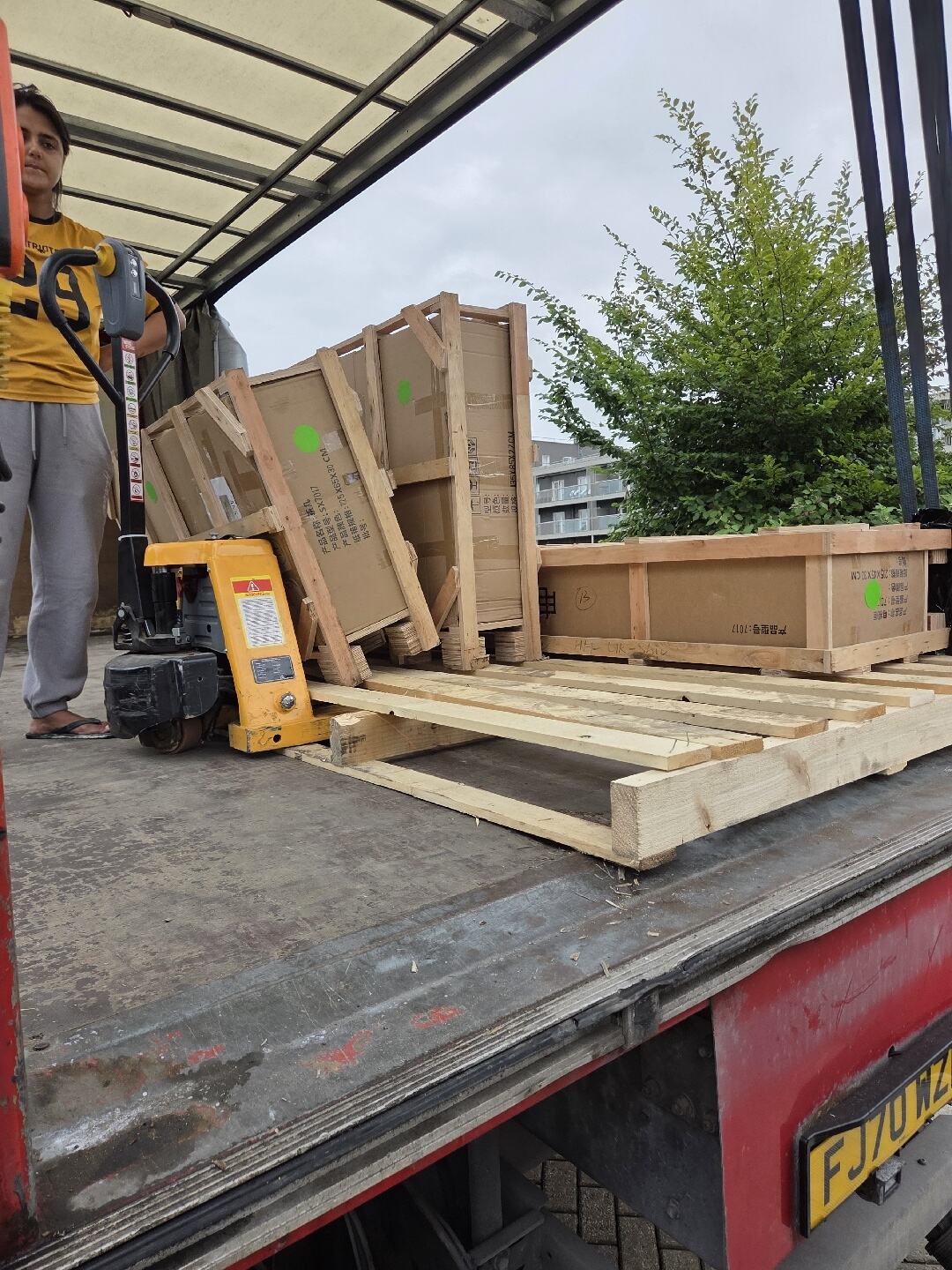
Heavy cargo shipping presents unique challenges that require careful planning and strategic decision-making from importers worldwide. When dealing with oversized, overweight, or high-value shipments, standard shipping protocols often prove inadequate, necessitating specialized handling procedures and expert coordination. Understanding the critical factors that influence successful heavy cargo shipping operations can mean the difference between seamless delivery and costly delays, damage, or regulatory complications.
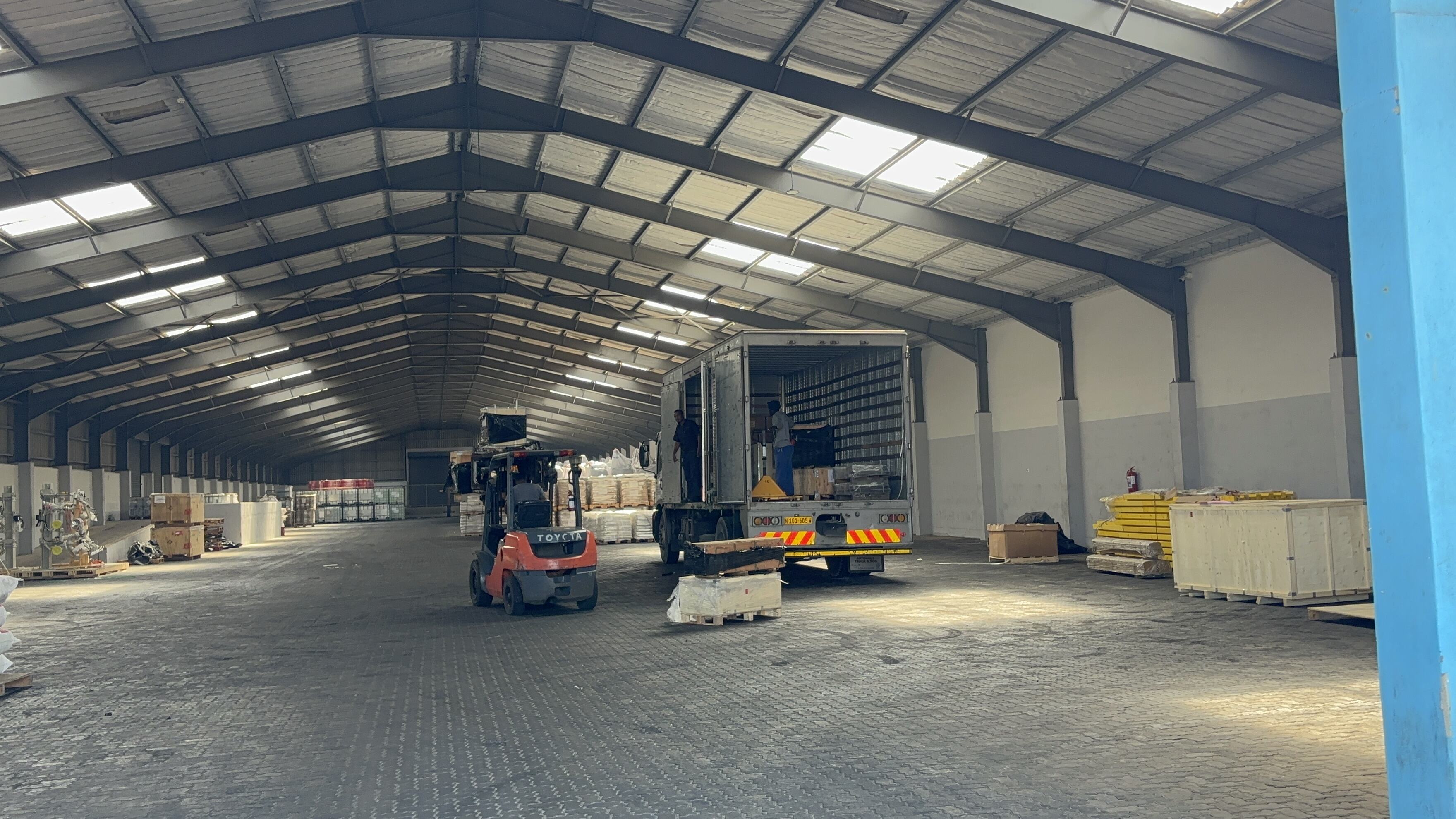
The complexity of heavy cargo shipping extends far beyond simply selecting a freight forwarder and hoping for the best outcome. Importers must evaluate multiple interconnected factors including cargo specifications, transportation modes, regulatory requirements, insurance considerations, and logistical constraints. Each decision point influences subsequent choices and ultimately determines the success, cost-effectiveness, and timeline of the entire shipping operation. This comprehensive evaluation process becomes even more critical when dealing with project cargo, industrial machinery, construction equipment, or other specialized heavy freight that requires customized solutions.
Cargo Characteristics and Specifications Analysis
Weight and Dimensional Considerations
The fundamental starting point for any heavy cargo shipping operation involves thoroughly analyzing the cargo's physical characteristics. Weight distribution, total mass, and dimensional measurements directly influence transportation options, route selection, and handling requirements. Importers must provide accurate specifications including gross weight, net weight, center of gravity location, and precise dimensions to enable proper planning and equipment selection.
Understanding these specifications helps determine whether the cargo qualifies as overweight, oversized, or both, which triggers specific regulatory requirements and transportation constraints. Heavy cargo shipping often involves loads exceeding standard container limits, requiring specialized equipment such as flat racks, open tops, or break bulk vessels. The cargo's dimensions also influence port selection, as not all facilities can accommodate extremely large or heavy items.
Fragility and Handling Requirements
The structural integrity and fragility of heavy cargo significantly impact handling procedures and transportation methods. Some heavy items, despite their substantial weight, may be surprisingly delicate or contain sensitive components that require careful handling. Importers must communicate specific handling instructions, environmental requirements, and any restrictions on cargo orientation or positioning during transport.
Heavy machinery often contains precision components, hydraulic systems, or electronic elements that can be damaged by improper handling or environmental exposure. Understanding these vulnerabilities helps determine appropriate packaging requirements, climate control needs, and handling equipment specifications. This analysis also influences insurance considerations and liability allocation throughout the heavy cargo shipping process.
Transportation Mode Selection and Route Planning
Multimodal Transportation Options
Heavy cargo shipping typically requires multimodal transportation solutions that combine ocean freight, inland transportation, and specialized handling at various transfer points. The selection of appropriate transportation modes depends on cargo characteristics, origin and destination locations, time constraints, and cost considerations. Ocean freight often provides the most cost-effective solution for international heavy cargo movement, but inland transportation presents unique challenges.
Road transportation of heavy cargo involves weight restrictions, bridge limitations, and routing constraints that vary by jurisdiction. Rail transportation may offer advantages for certain types of heavy cargo, particularly when moving inland from coastal ports. Air freight, while rarely used for truly heavy cargo due to weight and size limitations, may be necessary for urgent shipments of smaller heavy items. The key lies in optimizing the combination of transportation modes to achieve the desired balance of cost, transit time, and risk mitigation.
Route Feasibility and Infrastructure Assessment
Successful heavy cargo shipping requires comprehensive route feasibility studies that examine infrastructure capabilities along the entire transportation corridor. This assessment includes port facilities, road conditions, bridge weight limits, clearance heights, and turning radii capabilities. Many heavy cargo movements require route surveys to identify potential obstacles and determine necessary modifications or permits.
Infrastructure limitations often dictate specific routing requirements that may significantly impact transportation costs and transit times. Some routes may require infrastructure modifications, temporary bridge reinforcements, or utility line adjustments to accommodate oversized loads. Early identification of these requirements enables accurate cost estimation and timeline planning for heavy cargo shipping operations.
Regulatory Compliance and Documentation Requirements
International Trade Regulations
Heavy cargo shipping involves complex regulatory frameworks that vary by country, cargo type, and transportation mode. Importers must navigate customs regulations, import licenses, and trade compliance requirements specific to their cargo and destination country. Many heavy items fall under controlled categories that require special permits, end-user certificates, or dual-use technology licenses.
The documentation process for heavy cargo shipping often begins months before the actual shipment date, as regulatory approvals can require extensive lead times. Understanding these requirements early in the planning process prevents costly delays and ensures compliance with all applicable regulations. Some jurisdictions have specific requirements for heavy or oversized cargo that exceed standard import procedures.
Transportation and Safety Permits
Domestic transportation of heavy cargo typically requires various permits and approvals from transportation authorities. Overweight permits, oversized load permits, and route-specific authorizations must be obtained before transportation can commence. These permits often specify exact routes, travel times, escort requirements, and safety precautions that must be followed.
The permit application process requires detailed cargo specifications, transportation equipment details, and proposed routing information. Processing times vary significantly by jurisdiction and complexity, making early application essential for maintaining project timelines. Some permits require additional safety measures such as pilot cars, police escorts, or traffic management coordination, which add complexity and cost to heavy cargo shipping operations.
Cost Management and Financial Planning
Comprehensive Cost Structure Analysis
Heavy cargo shipping involves numerous cost components beyond basic freight charges, requiring detailed financial planning and budget allocation. Direct costs include ocean freight, inland transportation, handling charges, and equipment rental fees. However, indirect costs such as permits, surveys, escorts, and temporary infrastructure modifications can significantly impact total project costs.
Importers must also consider potential additional costs such as demurrage, storage fees, and weather delays that are more likely to impact heavy cargo shipping operations. The specialized nature of heavy cargo transportation often limits competition among service providers, potentially resulting in higher costs compared to standard freight services. Understanding the complete cost structure enables accurate budgeting and helps identify potential cost optimization opportunities.
Insurance and Risk Management
The high value and specialized handling requirements of heavy cargo necessitate comprehensive insurance coverage that addresses various risk scenarios. Standard cargo insurance may be insufficient for heavy items, requiring specialized coverage that addresses unique risks associated with heavy cargo shipping operations. This includes coverage for loading and unloading operations, transportation delays, and potential damage during specialized handling procedures.
Risk assessment should consider the cargo's value, replacement difficulty, project criticality, and potential consequential damages. Some heavy cargo represents critical path items for large construction or industrial projects, where delays can result in significant project impacts beyond the cargo's intrinsic value. Proper insurance coverage and risk management strategies help protect importers from various scenarios that could impact their heavy cargo shipping operations.
Service Provider Selection and Contract Management
Specialized Service Provider Evaluation
Heavy cargo shipping requires service providers with specialized expertise, equipment, and experience in handling complex logistics operations. Not all freight forwarders or transportation companies possess the capabilities necessary for successful heavy cargo operations. Importers should evaluate potential service providers based on their track record, equipment availability, project management capabilities, and financial stability.
The evaluation process should include reviewing previous projects of similar scope and complexity, assessing the provider's safety record, and verifying their regulatory compliance capabilities. Strong project management and communication skills are essential, as heavy cargo shipping operations require continuous coordination among multiple parties and real-time problem-solving capabilities when challenges arise.
Contract Terms and Liability Allocation
Heavy cargo shipping contracts require careful attention to liability allocation, performance standards, and risk management provisions. Standard freight terms may be inadequate for complex heavy cargo operations, necessitating customized contract language that addresses specific project requirements and potential contingencies. Clear definition of responsibilities, performance metrics, and communication protocols helps ensure successful project execution.
Contract negotiations should address various scenarios including weather delays, equipment failures, permit issues, and route modifications that commonly impact heavy cargo shipping operations. Establishing clear procedures for handling changes, delays, and additional costs helps prevent disputes and ensures smooth project execution even when unexpected challenges arise.
FAQ
What makes heavy cargo shipping different from standard freight transportation?
Heavy cargo shipping differs from standard freight transportation in several fundamental ways. It requires specialized equipment, customized handling procedures, and extensive planning to accommodate cargo that exceeds standard weight or size limits. Heavy cargo operations often involve route surveys, infrastructure assessments, regulatory permits, and multimodal coordination that standard freight doesn't require. The complexity, cost, and risk factors are significantly higher, demanding specialized expertise and project management capabilities.
How far in advance should importers begin planning heavy cargo shipping operations?
Heavy cargo shipping planning should typically begin 3-6 months before the intended shipping date, depending on cargo complexity and destination requirements. This timeframe allows for route surveys, permit applications, equipment reservations, and regulatory compliance procedures. Complex projects involving oversized cargo or challenging destinations may require even longer lead times. Early planning enables better cost control, reduces risk of delays, and ensures availability of specialized equipment and services.
What documentation is typically required for international heavy cargo shipping?
International heavy cargo shipping requires comprehensive documentation including detailed cargo specifications, engineering drawings, weight distribution calculations, and handling instructions. Standard trade documentation such as commercial invoices, packing lists, and bills of lading must be supplemented with specialized permits, route approvals, and safety certifications. Many countries require additional documentation for oversized or overweight cargo, including structural analysis reports and transportation feasibility studies.
How do importers determine the most suitable transportation route for heavy cargo?
Route selection for heavy cargo requires comprehensive infrastructure analysis including road weight limits, bridge clearances, turning radii, and port capabilities. Professional route surveys identify potential obstacles and determine necessary permits or infrastructure modifications. The optimal route balances factors such as infrastructure compatibility, regulatory requirements, transit time, cost, and risk mitigation. Importers typically work with specialized heavy haul transportation companies who possess expertise in route analysis and feasibility assessment for heavy cargo shipping operations.
Table of Contents
- Cargo Characteristics and Specifications Analysis
- Transportation Mode Selection and Route Planning
- Regulatory Compliance and Documentation Requirements
- Cost Management and Financial Planning
- Service Provider Selection and Contract Management
-
FAQ
- What makes heavy cargo shipping different from standard freight transportation?
- How far in advance should importers begin planning heavy cargo shipping operations?
- What documentation is typically required for international heavy cargo shipping?
- How do importers determine the most suitable transportation route for heavy cargo?