
 EN
EN


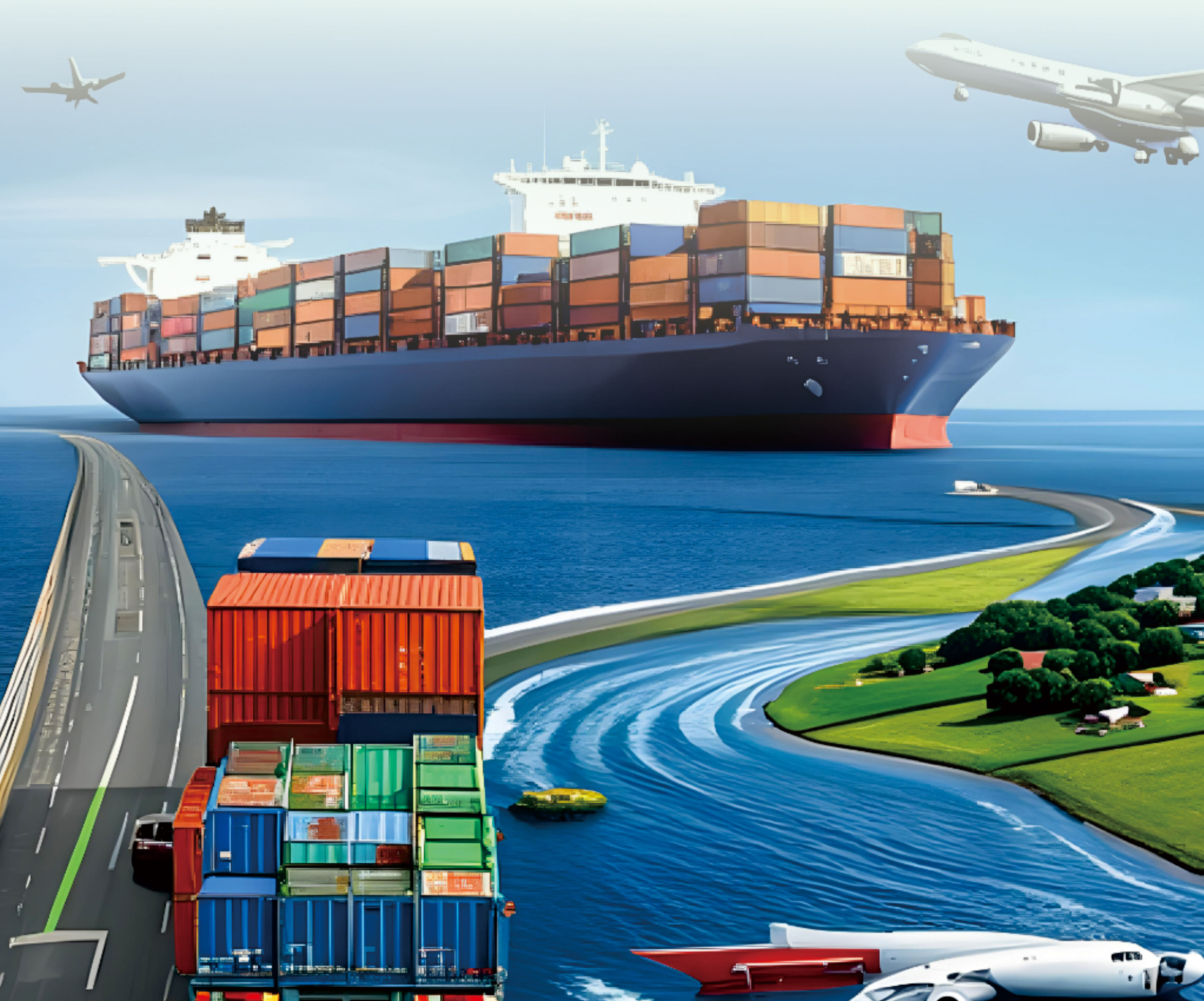
In today's globalized economy, businesses continuously seek logistics solutions that reduce complexity while maximizing operational performance. Door to door sea freight has emerged as a transformative approach that consolidates multiple shipping stages into a single, coordinated service model. This integrated method addresses persistent challenges in international trade, including fragmented coordination, unpredictable transit times, and escalating administrative overhead. By transferring responsibility for the entire shipping journey to a single provider, companies gain visibility, control, and predictability across their supply chains. Understanding how this freight model enhances supply chain efficiency requires examining its structural advantages, operational mechanisms, and tangible impact on business performance metrics.
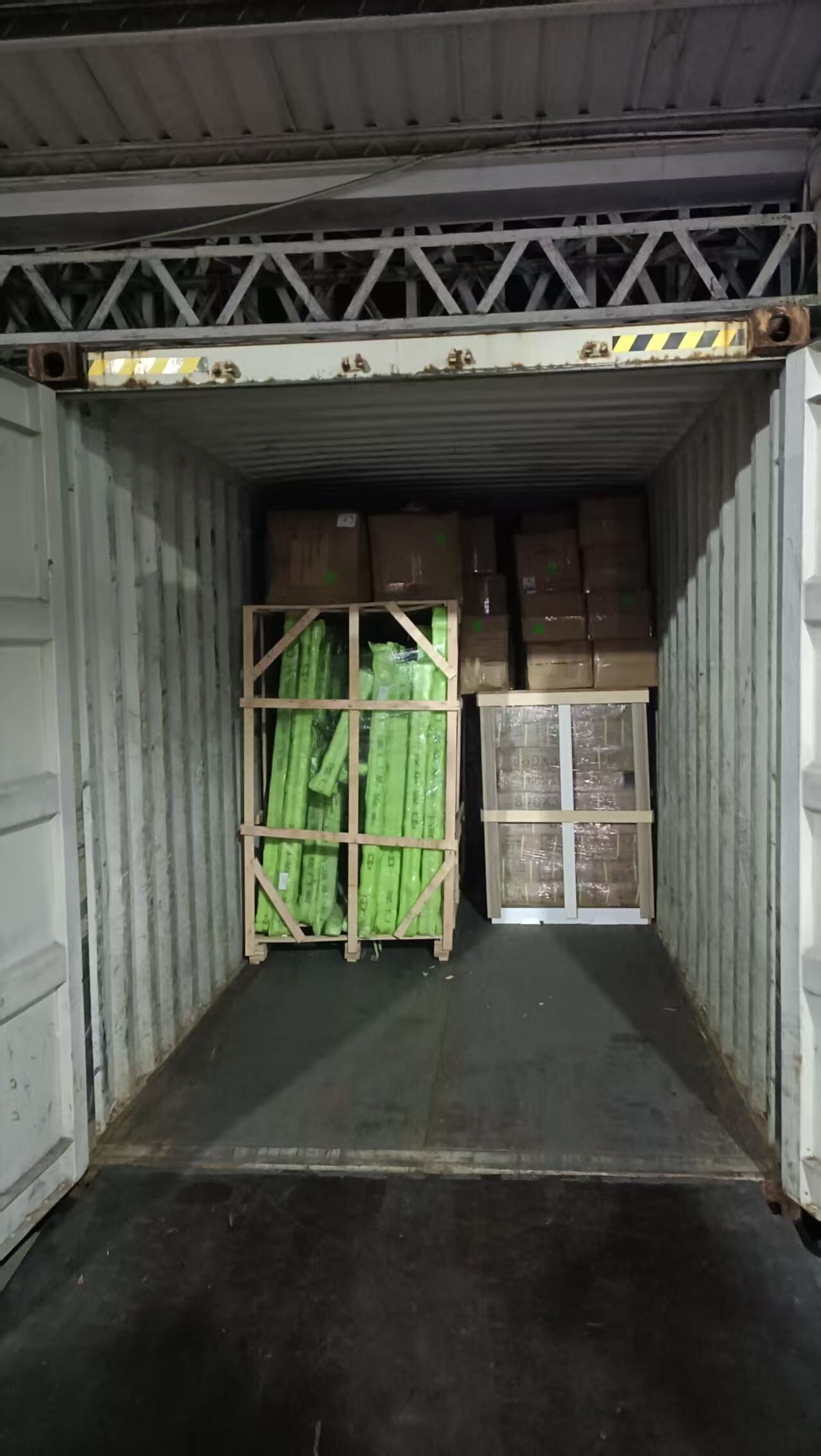
The efficiency improvements delivered by door to door sea freight stem from its comprehensive service architecture. Unlike traditional freight arrangements where shippers coordinate separately with trucking companies, customs brokers, ocean carriers, and last-mile delivery services, this consolidated approach integrates all transport segments under unified management. This structural consolidation eliminates communication gaps, reduces handoff errors, and creates accountability throughout the shipping cycle. For businesses managing complex international supply chains, this integration translates directly into reduced lead times, lower administrative costs, and enhanced reliability. The following analysis explores the specific mechanisms through which door to door sea freight drives measurable efficiency gains across procurement, inventory management, and customer fulfillment operations.
Eliminating Coordination Complexity Through Integrated Service Management
Reducing Administrative Burden and Communication Overhead
Traditional ocean freight requires shippers to manage relationships with multiple service providers across different geographical regions and operational domains. Each handoff between providers introduces potential delays, miscommunication, and accountability disputes. Door to door sea freight eliminates this fragmentation by assigning end-to-end responsibility to a single logistics provider. This consolidation dramatically reduces the administrative workload for procurement and logistics teams, who no longer need to coordinate pickup schedules with origin drayage operators, track container movements through port terminals, arrange customs clearance separately, and manage final delivery with destination carriers. Instead, a single point of contact manages all these activities, providing unified tracking, consolidated documentation, and streamlined communication channels.
The reduction in coordination complexity extends beyond simple convenience. When multiple providers handle different segments, each operates with independent systems, documentation standards, and performance metrics. This fragmentation creates information silos that obscure true shipment status and complicate exception management. With door to door sea freight, integrated information systems provide real-time visibility across all transport stages. Shippers access consolidated tracking that shows pickup confirmation, port arrival, vessel departure, customs clearance status, and final delivery progress through a single interface. This transparency enables proactive decision-making, faster issue resolution, and better alignment between logistics operations and broader supply chain planning activities.
Streamlining Documentation and Compliance Processes
International shipping generates substantial documentation requirements, including commercial invoices, packing lists, bills of lading, certificates of origin, and various regulatory declarations. When working with separate service providers, shippers must ensure documentation consistency across all parties while adapting to different submission requirements and formats. Door to door sea freight providers standardize documentation processes, collecting required information once and distributing it appropriately across all service touchpoints. This standardization reduces preparation time, minimizes errors that could trigger customs delays, and ensures compliance with import regulations across multiple jurisdictions.
The compliance advantages extend particularly to customs clearance, a frequent source of supply chain disruption. Experienced door to door sea freight providers maintain expertise in destination country regulations, tariff classifications, and documentary requirements. They prepare customs declarations accurately, submit supporting documentation completely, and manage communications with customs authorities proactively. This specialized capability reduces clearance times, minimizes examination rates, and prevents costly penalties associated with non-compliance. For businesses shipping to multiple international markets, this consolidated compliance management eliminates the need to develop internal expertise for each destination or manage relationships with separate customs brokers in each country.
Accelerating Transit Times Through Optimized Routing and Priority Handling
Leveraging Carrier Relationships for Improved Service Levels
Door to door sea freight providers typically maintain strategic relationships with multiple ocean carriers, enabling them to secure preferential allocation during capacity-constrained periods and negotiate priority handling for customer shipments. These relationships translate into faster vessel loading, reduced port dwell times, and more reliable sailing schedules compared to shippers booking independently. The consolidated volume that major door to door sea freight providers represent gives them negotiating leverage that individual shippers cannot match, particularly small and medium-sized enterprises without sufficient volume to command carrier attention.
Beyond carrier relationships, experienced providers optimize routing decisions based on comprehensive knowledge of service networks, port congestion patterns, and seasonal capacity variations. They select vessel services that minimize transshipment points, avoiding unnecessary container transfers that extend transit times and increase handling risk. When direct services are unavailable, they choose transshipment hubs with efficient operations and reliable connecting services. This routing expertise, combined with real-time monitoring of port conditions and vessel schedules, enables door to door sea freight providers to consistently deliver faster transit times than shippers attempting to navigate these complexities independently.
Coordinating Intermodal Connections for Seamless Transitions
Efficient door to door sea freight requires precise coordination between ocean transport and connecting inland movements. Delays at intermodal transition points—such as waiting for available chassis, coordinating pickup appointments at congested terminals, or arranging customs examinations—can add days to total transit time. Integrated providers manage these transitions proactively, scheduling drayage equipment in advance, coordinating terminal appointments based on vessel arrival predictions, and positioning resources to minimize container dwell time at ports. This operational coordination reduces the buffer time shippers typically build into supply chain planning to accommodate handoff uncertainties.
The efficiency gains from coordinated intermodal transitions become particularly significant during peak shipping periods or when unexpected disruptions occur. Independent coordination often fails under stress, as each service provider prioritizes its own operational convenience without considering downstream impacts. Door to door sea freight providers maintain accountability for total transit time, creating incentives to optimize the entire journey rather than individual segments. When disruptions occur—such as vessel delays, port congestion, or equipment shortages—they deploy alternative solutions that maintain schedule integrity, including expedited inland transport, alternative routing, or priority processing arrangements that would be unavailable to shippers coordinating services independently.
Reducing Inventory Costs Through Improved Predictability and Reliability
Enabling Leaner Safety Stock Through Consistent Transit Times
Inventory carrying costs represent a significant supply chain expense, with safety stock levels directly tied to supply variability. When ocean freight transit times fluctuate unpredictably, businesses must maintain higher safety stock to buffer against potential delays and ensure product availability. Door to door sea freight improves transit time consistency by managing all service segments under unified control and accountability. This consistency enables more accurate demand forecasting and reduces the safety stock required to maintain target service levels. For businesses importing high-value products or managing extensive product portfolios, even modest reductions in safety stock translate into substantial working capital improvements.
The reliability advantages of door to door sea freight extend beyond simple transit time consistency. Comprehensive service management reduces the frequency of unexpected disruptions that force emergency responses, such as expedited air freight to cover stockouts or production line shutdowns due to component shortages. These emergency responses typically cost many times the standard shipping expense, making disruption avoidance a critical efficiency factor. By providing more predictable arrivals and proactive communication about potential delays, door to door sea freight enables better contingency planning and reduces reliance on costly expedited alternatives when timing deviations occur.
Improving Inventory Visibility for Better Working Capital Management
Effective inventory management requires accurate visibility into in-transit stock positions. When shipments move through fragmented service networks with limited tracking integration, businesses often lack precise information about shipment locations and expected arrival times. This visibility gap forces conservative inventory assumptions, effectively treating in-transit inventory as unavailable until physical receipt confirmation. Door to door sea freight providers deliver enhanced visibility through integrated tracking systems that monitor shipments continuously from origin pickup through final delivery. This transparency enables businesses to include in-transit inventory in available-to-promise calculations, reducing the total inventory investment required to support sales commitments.
The working capital benefits extend to financial planning and cash flow management. Better visibility into shipment timing enables more accurate forecasting of customs duty payments, storage costs, and inventory receipt schedules. This predictability supports tighter financial planning and reduces the working capital buffer required to accommodate timing uncertainties. For businesses managing global supply chains with significant inventory investments, these improvements in predictability and visibility deliver measurable financial returns that often justify any incremental cost associated with door to door sea freight compared to self-coordinated alternatives.
Enhancing Customer Satisfaction Through Reliable Delivery Performance
Meeting Delivery Commitments with Greater Consistency
Customer satisfaction in B2B relationships depends heavily on reliable delivery performance. Late shipments disrupt customer operations, damage supplier relationships, and create competitive disadvantages in markets where reliability differentiates service quality. Door to door sea freight improves delivery consistency by consolidating accountability and creating service structures that prioritize on-time performance. Providers measure success based on final delivery completion rather than individual segment performance, aligning incentives with customer expectations and creating operational focus on total transit reliability.
The consistency advantages become particularly important for businesses serving customers with just-in-time manufacturing processes or tight inventory management disciplines. These customers require suppliers who deliver predictably within narrow time windows, often with penalties for early or late arrivals. Door to door sea freight enables shippers to meet these demanding requirements through better coordination, proactive exception management, and flexible delivery scheduling that accommodates specific customer receiving constraints. This capability strengthens customer relationships, supports premium pricing strategies, and creates competitive differentiation in markets where delivery reliability influences purchasing decisions.
Providing Proactive Communication and Exception Management
Effective supply chain management requires timely information about potential disruptions, enabling proactive responses that minimize customer impact. Traditional freight arrangements often provide limited visibility and reactive communication, with shippers learning about delays only after they occur. Door to door sea freight providers implement proactive monitoring and communication protocols, alerting customers immediately when exceptions arise and proposing mitigation strategies before disruptions affect delivery schedules. This proactive approach transforms exception management from reactive firefighting into strategic problem-solving that preserves customer satisfaction even when operational challenges occur.
The communication advantages extend throughout the shipping cycle, not just during exceptions. Regular status updates, milestone notifications, and accessible tracking information reduce customer inquiries, lower customer service workload, and build confidence in supply chain reliability. For businesses managing multiple simultaneous shipments across different origin and destination pairs, this consolidated communication significantly improves operational efficiency compared to tracking multiple shipments through separate providers with inconsistent communication standards and information systems. The resulting reduction in coordination overhead frees internal resources for strategic activities rather than routine shipment tracking and status verification.
Optimizing Cost Structures Through Consolidated Procurement and Operational Efficiency
Achieving Better Rates Through Volume Consolidation
Door to door sea freight providers aggregate volume across multiple customers, enabling them to negotiate more favorable rates with ocean carriers, drayage operators, and other service partners than individual shippers could achieve independently. This volume leverage translates into lower per-unit costs that providers can pass through to customers while maintaining profitable margins. For small and medium-sized businesses without sufficient shipping volume to negotiate competitive rates directly, door to door sea freight access to consolidated pricing creates immediate cost advantages compared to managing logistics independently or working with multiple specialized providers.
Beyond simple rate advantages, consolidated procurement enables access to service levels and capacity allocation that might be unavailable to smaller shippers during peak periods or capacity-constrained markets. Door to door sea freight providers maintain strategic carrier relationships that ensure space availability and equipment access even when general market conditions tighten. This capacity security prevents the premium costs and service disruptions that occur when shippers must secure emergency capacity in spot markets or accept significant delays due to equipment shortages. The value of this capacity security often exceeds the direct rate savings, particularly for businesses with seasonally concentrated shipping patterns or products with time-sensitive market windows.
Eliminating Hidden Costs Through Transparent Pricing and Reduced Complexity
Traditional freight procurement often involves complex pricing structures with separate charges for each service component—origin pickup, terminal handling, ocean freight, destination port charges, customs clearance, and final delivery. This fragmentation creates pricing complexity, makes cost comparison difficult, and often conceals additional charges that emerge only after shipment completion. Door to door sea freight providers typically offer all-inclusive pricing that consolidates all service components into a single rate, improving cost predictability and eliminating billing surprises. This transparent pricing enables more accurate landed cost calculations, better budgeting, and simplified vendor comparisons based on total delivered cost rather than component-by-component rate analysis.
The cost efficiency extends beyond direct freight charges to include reduced internal administrative expenses. Managing multiple service providers requires staff time for vendor communication, invoice reconciliation, dispute resolution, and performance monitoring. Door to door sea freight consolidates these activities under a single vendor relationship, reducing administrative workload and enabling logistics teams to focus on strategic activities rather than routine coordination tasks. For businesses evaluating total cost of ownership rather than simple freight rates, these administrative savings represent significant value that often justifies selecting door to door sea freight even when headline rates appear competitive with self-coordinated alternatives.
FAQ
What distinguishes door to door sea freight from traditional ocean shipping services?
Door to door sea freight differs fundamentally from traditional ocean shipping by integrating all transport segments—origin pickup, export customs clearance, ocean transport, import customs clearance, and final delivery—under unified management and pricing. Traditional ocean shipping typically covers only the port-to-port segment, requiring shippers to arrange and coordinate inland transport and customs clearance separately. This integration eliminates coordination gaps, provides single-point accountability, and delivers comprehensive visibility across the entire shipping journey. The consolidated service model reduces administrative complexity, improves transit time consistency, and creates clearer cost structures compared to managing multiple separate service providers.
How does door to door sea freight impact total supply chain lead times?
Door to door sea freight typically reduces total supply chain lead times through several mechanisms. First, integrated coordination eliminates buffer time between service segments that shippers normally include to accommodate handoff uncertainties. Second, experienced providers optimize routing decisions and leverage carrier relationships to secure faster vessel services and priority handling. Third, proactive customs clearance management reduces clearance delays that frequently extend delivery schedules. Fourth, coordinated intermodal transitions minimize container dwell time at ports and terminals. The combined impact of these improvements often reduces total transit time by several days compared to self-coordinated alternatives, enabling leaner inventory positions and more responsive supply chain operations.
Can small businesses benefit from door to door sea freight despite lower shipping volumes?
Small businesses often derive proportionally greater benefits from door to door sea freight than larger enterprises. Volume consolidation through logistics providers enables small shippers to access competitive rates and service levels typically available only to high-volume customers negotiating directly with carriers. The elimination of coordination complexity provides particularly significant value for small businesses with limited logistics expertise or staff resources to manage multiple vendor relationships. Additionally, the predictability and transparency of door to door sea freight support better business planning and customer service for companies that cannot absorb the operational disruptions or financial impacts of shipping problems as easily as larger organizations with more extensive resources and operational buffers.
What role does technology play in door to door sea freight efficiency improvements?
Technology serves as a critical enabler of door to door sea freight efficiency through integrated tracking systems, automated documentation processing, and predictive analytics capabilities. Advanced providers implement platform technologies that consolidate visibility across all service segments, providing real-time shipment tracking, milestone notifications, and exception alerts through unified interfaces. These systems integrate data from ocean carriers, trucking companies, customs authorities, and terminal operators, creating comprehensive visibility that would be impossible when coordinating separate service providers with incompatible information systems. Additionally, automation reduces manual documentation handling, accelerates customs processing, and enables data-driven optimization of routing decisions and capacity allocation. The technology infrastructure supporting modern door to door sea freight delivers operational efficiencies that fundamentally enhance service quality beyond what traditional coordination approaches can achieve.
Table of Contents
- Eliminating Coordination Complexity Through Integrated Service Management
- Accelerating Transit Times Through Optimized Routing and Priority Handling
- Reducing Inventory Costs Through Improved Predictability and Reliability
- Enhancing Customer Satisfaction Through Reliable Delivery Performance
- Optimizing Cost Structures Through Consolidated Procurement and Operational Efficiency
-
FAQ
- What distinguishes door to door sea freight from traditional ocean shipping services?
- How does door to door sea freight impact total supply chain lead times?
- Can small businesses benefit from door to door sea freight despite lower shipping volumes?
- What role does technology play in door to door sea freight efficiency improvements?