
 EN
EN


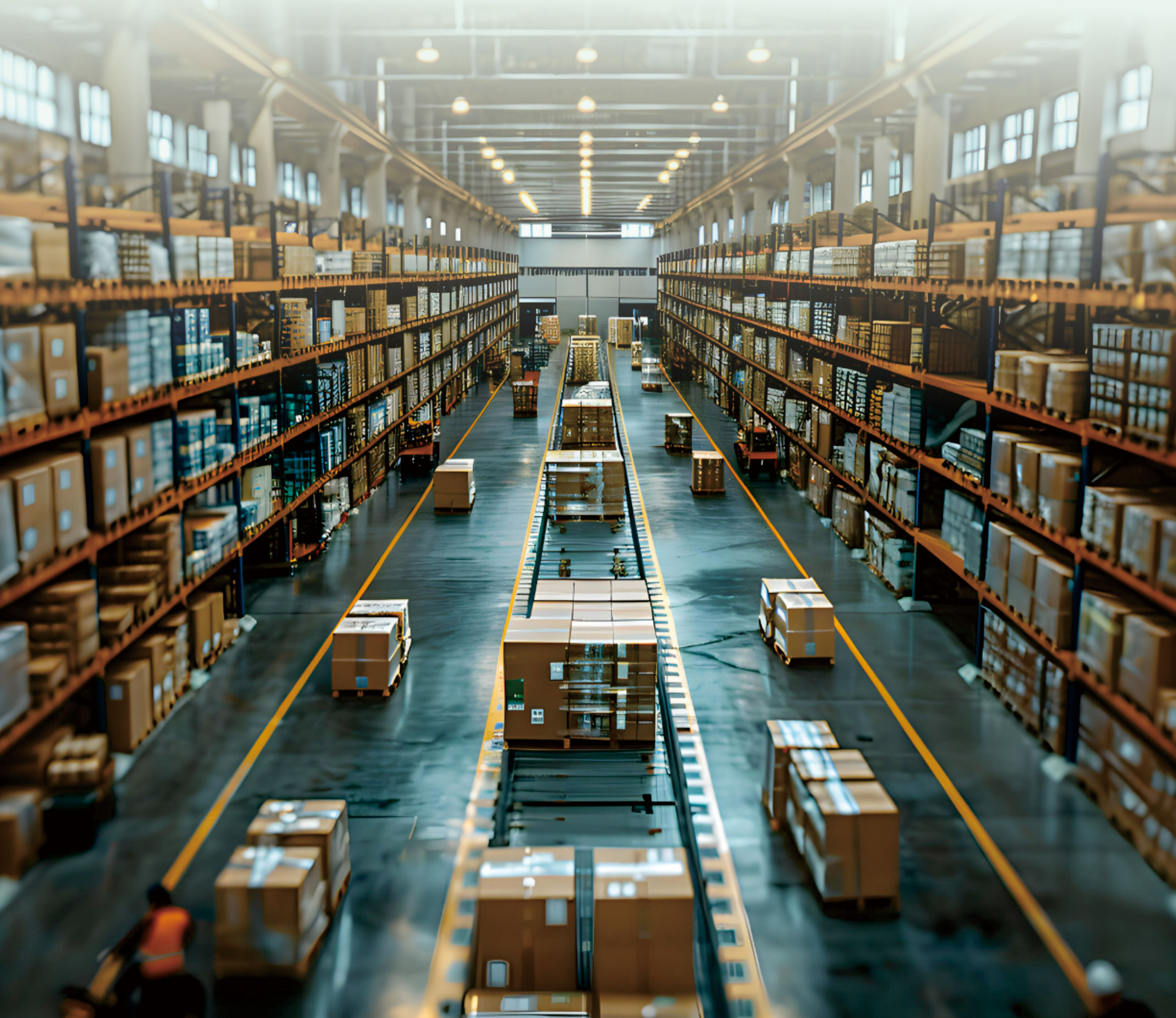
Global trade has evolved dramatically over the past decades, and businesses seeking reliable, cost-effective international shipping solutions now turn increasingly to door to door sea freight services. This comprehensive logistics model eliminates the complexity traditionally associated with ocean shipping by managing the entire supply chain from the shipper's location to the final destination. For companies expanding into international markets or managing complex global supply chains, understanding what makes door to door sea freight an ideal solution is essential for strategic decision-making and operational efficiency.
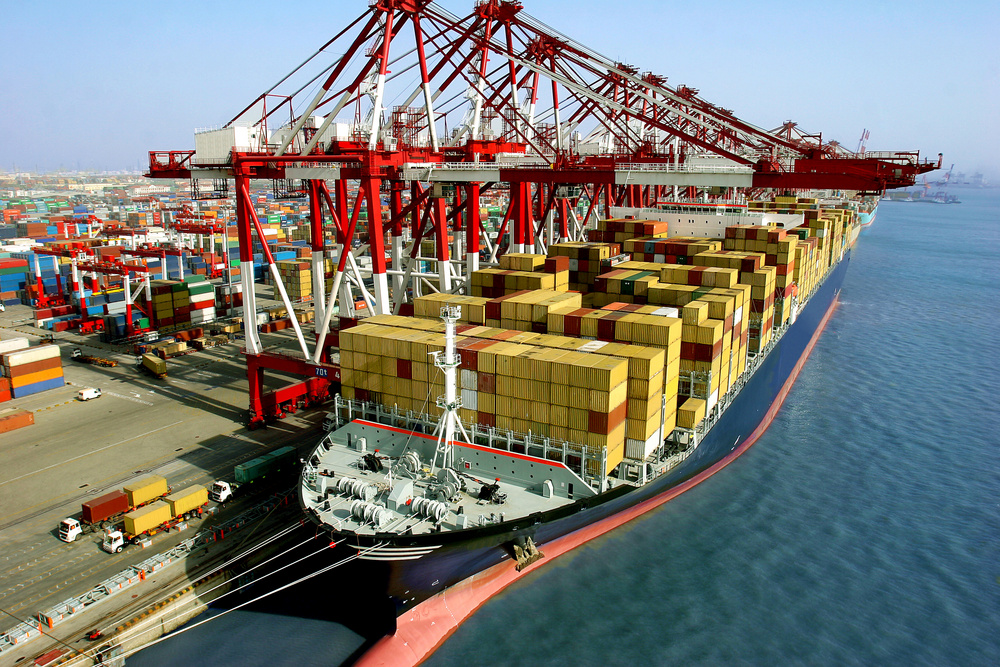
The value proposition of door to door sea freight extends far beyond simple transportation. It represents a fundamental shift in how businesses approach international logistics, offering integrated coordination, reduced administrative burden, and predictable delivery timelines. Companies working with door to door sea freight providers gain access to streamlined customs clearance, consolidated documentation, and single-point accountability that transforms the shipping experience. This service model addresses the critical pain points that global businesses face when moving goods across borders, making it particularly attractive for organizations without dedicated logistics departments or extensive shipping expertise.
Comprehensive End-to-End Logistics Management
Single Point of Contact Simplification
One of the most compelling advantages of door to door sea freight is the consolidation of multiple logistics functions under a single service provider. Traditional ocean shipping requires businesses to coordinate separately with trucking companies, freight forwarders, customs brokers, port handlers, and last-mile carriers. This fragmentation creates communication gaps, increases the risk of errors, and demands significant internal resources to manage. With door to door sea freight, one provider assumes responsibility for the entire journey, offering businesses a unified interface for tracking, documentation, and problem resolution.
This simplified structure proves particularly valuable when dealing with time-sensitive shipments or complex routing scenarios. Businesses can communicate changes, address concerns, or request updates through a single channel rather than navigating multiple vendor relationships. The provider coordinates all handoffs between transportation modes and logistics partners, ensuring continuity throughout the supply chain. This integration reduces the likelihood of miscommunication that often occurs when responsibility transfers between multiple parties, creating a more reliable shipping experience overall.
Integrated Documentation and Compliance
International shipping generates substantial documentation requirements including commercial invoices, packing lists, bills of lading, certificates of origin, and various customs declarations. Managing these documents across multiple service providers creates opportunities for errors, delays, and compliance issues. Door to door sea freight providers handle all documentation requirements as part of their integrated service, ensuring consistency, accuracy, and regulatory compliance throughout the shipping process.
The provider's expertise in international trade regulations becomes especially valuable when shipping to countries with complex customs requirements or frequent regulatory changes. They maintain current knowledge of tariff classifications, import restrictions, and documentation standards for diverse markets. This expertise helps businesses avoid costly delays at customs checkpoints, reduces the risk of penalties for non-compliance, and ensures smooth clearance processes. For companies new to specific international markets, this built-in compliance support represents significant value that extends beyond basic transportation services.
Coordinated Risk Management
Risk exposure in international shipping spans multiple domains including cargo damage, delivery delays, regulatory non-compliance, and communication failures. When using fragmented logistics services, responsibility for these risks becomes dispersed across multiple parties, making it difficult to establish accountability when problems occur. Door to door sea freight concentrates risk management under a single provider who maintains oversight across the entire shipping journey.
This consolidated responsibility structure creates clearer accountability and more effective problem resolution. If cargo sustains damage during inland transportation, ocean transit, or final delivery, the business has one provider to contact for claims processing and resolution. The provider's integrated visibility across all shipping stages enables faster identification of issues and more coordinated response strategies. This unified risk management approach reduces the administrative burden on businesses and creates more predictable outcomes when problems inevitably occur in complex international supply chains.
Cost Efficiency and Financial Predictability
Consolidated Pricing Structure
Traditional ocean shipping requires businesses to obtain separate quotes for inland trucking, port handling, ocean freight, destination port services, customs clearance, and final delivery. This fragmentation makes accurate cost forecasting difficult and creates opportunities for unexpected charges to emerge during the shipping process. door to door sea freight services provide all-inclusive pricing that covers the entire logistics chain, giving businesses clear visibility into total landed costs before committing to shipments.
This pricing transparency enables more accurate financial planning and eliminates the surprise charges that often accompany traditional shipping arrangements. Businesses can compare total door to door costs across different service providers rather than attempting to aggregate multiple component prices that may vary independently. The consolidated pricing also simplifies internal approval processes and budget management, as a single invoice covers the complete shipping service rather than requiring reconciliation of charges from multiple vendors.
Reduced Administrative and Labor Costs
Managing international shipments through multiple service providers demands substantial internal resources for coordination, communication, documentation management, and problem resolution. Businesses must dedicate staff time to obtaining quotes, comparing options, scheduling pickups, tracking shipments across multiple systems, managing customs documentation, and coordinating final delivery. For companies without dedicated logistics departments, these activities divert valuable employee time from core business functions.
Door to door sea freight dramatically reduces these internal labor requirements by transferring coordination responsibilities to the service provider. A single email or phone call initiates the entire shipping process, and businesses receive consolidated tracking updates rather than monitoring multiple systems. The provider handles customs documentation preparation and submission, eliminating the need for businesses to navigate complex regulatory requirements independently. This reduction in administrative burden translates directly into cost savings, particularly for small and medium-sized enterprises where staff members typically manage multiple responsibilities beyond logistics.
Economies of Scale Benefits
Door to door sea freight providers leverage their shipping volume to negotiate favorable rates with ocean carriers, trucking companies, and logistics partners throughout the supply chain. These negotiated rates typically offer better pricing than businesses could obtain by contracting services independently, particularly for companies with moderate shipping volumes. The provider passes a portion of these savings to customers while maintaining operational margins, creating a win-win scenario that makes international shipping more accessible to businesses of all sizes.
The volume-based advantages extend beyond basic transportation costs to include value-added services such as cargo insurance, specialized handling, and expedited processing options. Providers can offer these additional services at competitive rates due to their established relationships and consistent business volumes. For growing businesses, partnering with door to door sea freight providers allows them to access enterprise-level pricing and service quality without maintaining the shipping volumes that typically drive such favorable terms.
Operational Flexibility and Scalability
Adaptable Service Configurations
Global businesses face constantly changing logistics requirements based on seasonal demand fluctuations, market expansions, product launches, and supply chain adjustments. Door to door sea freight services accommodate these changing needs through flexible service configurations that can be adjusted shipment by shipment. Businesses can scale volumes up or down without long-term contractual commitments, switch between full container loads and less-than-container-load options based on shipment size, and adjust routing to reflect new market priorities.
This flexibility proves particularly valuable during market entry phases when businesses test demand in new geographic regions before committing to substantial inventory investments. Door to door sea freight enables companies to ship smaller initial quantities to gauge market response, then scale up shipment sizes and frequencies as demand materializes. The ability to adjust logistics configurations without renegotiating multiple vendor contracts or establishing new relationships reduces the friction associated with international expansion and supports more agile business strategies.
Geographic Coverage Expansion
Established door to door sea freight providers maintain extensive networks spanning major trade routes and emerging markets alike. This geographic coverage enables businesses to expand into new countries and regions without investing time and resources to establish local logistics partnerships independently. The provider's existing infrastructure, relationships, and operational knowledge in diverse markets becomes immediately accessible to customers seeking to broaden their international footprint.
When entering unfamiliar markets, businesses benefit significantly from the provider's local expertise regarding customs procedures, delivery infrastructure, and operational norms. This knowledge transfer reduces the learning curve associated with new market entry and helps businesses avoid common pitfalls that can delay or complicate initial shipments. As companies grow their international presence across multiple continents, maintaining a single door to door sea freight relationship provides consistency and familiarity even as shipping destinations diversify.
Technology Integration Capabilities
Modern door to door sea freight providers invest heavily in technology platforms that offer customers real-time tracking, automated documentation, and digital communication channels. These systems integrate increasingly with customers' enterprise resource planning systems, inventory management platforms, and e-commerce solutions, creating seamless information flow between logistics operations and broader business systems. This technical integration supports automation of routine processes such as shipment booking, tracking updates, and delivery confirmations.
The data generated through these integrated systems provides valuable business intelligence regarding shipping patterns, transit time performance, cost trends, and delivery reliability. Companies can analyze this information to optimize inventory positioning, adjust ordering patterns, and identify opportunities for supply chain improvements. As businesses scale their international operations, the accumulated data and insights from door to door sea freight systems become strategic assets that inform broader operational decisions beyond immediate logistics requirements.
Enhanced Customer Experience and Market Competitiveness
Predictable Delivery Timelines
Customer satisfaction in international commerce depends heavily on reliable delivery timelines that meet expectations set during the purchasing process. Door to door sea freight providers establish consistent transit time standards based on extensive operational experience across specific trade routes. This predictability enables businesses to communicate realistic delivery expectations to customers and plan inventory arrivals to support sales commitments and production schedules.
The integrated nature of door to door sea freight services reduces the variability that often occurs when cargo transfers between multiple carriers and logistics providers. With a single provider managing the entire journey, coordination between transportation modes becomes more reliable, reducing delays associated with missed connections or scheduling conflicts. This consistency in delivery performance supports better customer experiences and reduces the need for safety stock that companies often maintain to buffer against logistics uncertainty.
Professional Last-Mile Delivery
The final delivery experience significantly influences customer perception of overall service quality, yet this critical touchpoint receives insufficient attention in traditional freight arrangements where origin providers have limited involvement in destination delivery. Door to door sea freight extends the service provider's responsibility and quality standards through the last mile, ensuring professional handling and delivery regardless of destination location.
This end-to-end quality control proves especially important when shipping to business customers who expect reliable delivery windows, proper handling of specialized products, and professional communication throughout the process. The provider's accountability for final delivery creates incentive to maintain service standards across all stages rather than treating last-mile service as a disconnected component. For businesses building brand reputation in international markets, the consistency and professionalism of delivery experiences supported by door to door sea freight contributes directly to customer satisfaction and repeat business.
Competitive Differentiation Through Logistics Excellence
In increasingly competitive global markets, logistics performance has evolved from a back-office function to a strategic differentiator that influences customer purchasing decisions. Companies that offer faster, more reliable, and more transparent international shipping gain competitive advantages over rivals with inferior logistics capabilities. Door to door sea freight enables businesses to deliver superior customer experiences without developing extensive internal logistics expertise or infrastructure.
The service's comprehensive tracking visibility allows businesses to provide customers with detailed shipment status updates throughout the delivery journey. This transparency builds confidence and reduces customer anxiety associated with international purchases. Additionally, the reliable performance of door to door sea freight supports consistent fulfillment of delivery promises, building trust that translates into customer loyalty and positive word-of-mouth recommendations. For businesses competing against established players with more resources, leveraging professional door to door sea freight services levels the logistics playing field and enables smaller companies to compete effectively in international markets.
Strategic Value for Long-Term Business Growth
Focus on Core Competencies
Successful businesses recognize the importance of concentrating internal resources on activities that directly create competitive advantage and customer value. International logistics, while essential, typically represents a support function rather than a core competency for most companies. Door to door sea freight allows businesses to outsource this complex operational requirement to specialists, freeing internal resources to focus on product development, market strategy, customer relationships, and other activities that drive growth and differentiation.
This strategic focus becomes particularly important for small and medium-sized enterprises with limited personnel and resources. Rather than developing internal expertise in customs regulations, ocean carrier negotiations, and international logistics coordination, these businesses can leverage the accumulated knowledge and infrastructure of door to door sea freight providers. The time and capital not invested in building logistics capabilities remains available for core business activities that generate competitive advantage and revenue growth.
Market Entry Acceleration
Entering new international markets traditionally required substantial upfront investment in understanding local logistics infrastructure, establishing relationships with carriers and customs brokers, and learning regulatory requirements. These barriers to entry slowed international expansion and created risk for businesses testing new markets. Door to door sea freight dramatically reduces these barriers by providing immediate access to established logistics networks and operational expertise in target markets.
This accelerated market entry capability enables businesses to pursue international opportunities more aggressively and test multiple markets simultaneously without proportional increases in complexity or resource requirements. Companies can launch products in new countries within weeks rather than months, responding quickly to market opportunities or competitive threats. The reduced friction associated with international logistics through door to door sea freight services supports more dynamic and opportunistic international business strategies.
Sustainable Growth Infrastructure
As businesses grow their international sales, logistics requirements become increasingly complex with multiple origin points, diverse product ranges, varying shipment sizes, and expanding destination networks. Door to door sea freight providers scale naturally with customer growth, accommodating increased shipment volumes and geographic diversity without requiring businesses to continuously rebuild logistics partnerships or internal capabilities.
This scalable infrastructure supports sustainable growth trajectories by ensuring that logistics capacity and capability expand in alignment with business development. Companies avoid the common challenge of outgrowing initial logistics arrangements that served early-stage needs but cannot accommodate larger-scale operations. The provider's investment in network expansion, technology enhancement, and service development benefits customers automatically as they access improved capabilities through existing relationships. This alignment between provider investment and customer growth creates a foundation for long-term international business success.
FAQ
How does door to door sea freight differ from traditional ocean shipping?
Door to door sea freight provides comprehensive logistics management from the shipper's location to the final destination, including inland transportation, customs clearance, ocean freight, and delivery. Traditional ocean shipping typically covers only port-to-port transportation, requiring businesses to separately arrange inland trucking, customs brokerage, and final delivery. The integrated approach of door to door sea freight simplifies coordination, reduces administrative burden, and provides single-point accountability for the entire shipping process.
What types of businesses benefit most from door to door sea freight services?
Door to door sea freight services benefit businesses of all sizes, but prove particularly valuable for small and medium-sized enterprises without dedicated logistics departments, companies expanding into new international markets, organizations managing complex global supply chains across multiple countries, and businesses seeking to reduce internal administrative burdens associated with international shipping. E-commerce companies, manufacturers, distributors, and retailers all find value in the simplified coordination and predictable performance that door to door sea freight provides.
How do door to door sea freight providers handle customs clearance?
Door to door sea freight providers include customs clearance as an integrated component of their service offering. They prepare all required documentation including commercial invoices, packing lists, and customs declarations based on information provided by the shipper. The provider submits documentation to customs authorities, pays applicable duties and taxes on behalf of the customer, and manages any inspections or additional information requests from customs officials. This integrated approach ensures compliance with import regulations and minimizes delays at customs checkpoints.
Can door to door sea freight accommodate both small and large shipment volumes?
Yes, door to door sea freight services accommodate diverse shipment sizes through flexible consolidation options. For smaller volumes, providers offer less-than-container-load services where multiple shippers' cargo combines in shared containers, enabling cost-effective ocean shipping without requiring full container quantities. Larger shipments utilize full container loads with dedicated containers for single customers. Providers adjust service configurations based on each shipment's specific volume requirements, making door to door sea freight accessible and economical for businesses at various scales of operation.