
 EN
EN


Global trade has grown increasingly complex, and businesses shipping goods across borders need solutions that reduce friction at every stage of transit. door to door sea shipping has emerged as one of the most comprehensive logistics models available, combining ocean freight with ground-level pickup and delivery services into a single, streamlined arrangement. Rather than coordinating separately with multiple carriers, customs agents, and trucking companies, shippers can rely on one integrated service that handles the entire journey from origin to destination.
Understanding how door to door sea shipping supports international logistics requires a close look at its operational mechanics, the roles it plays across different stages of a supply chain, and why B2B buyers in manufacturing, retail, and wholesale sectors are increasingly favoring this model over traditional port-to-port arrangements. This article explores the mechanism behind this shipping model and explains why it has become a cornerstone of modern global trade management.
The Core Mechanism of Door to Door Sea Shipping
What Happens from Pickup to Final Delivery
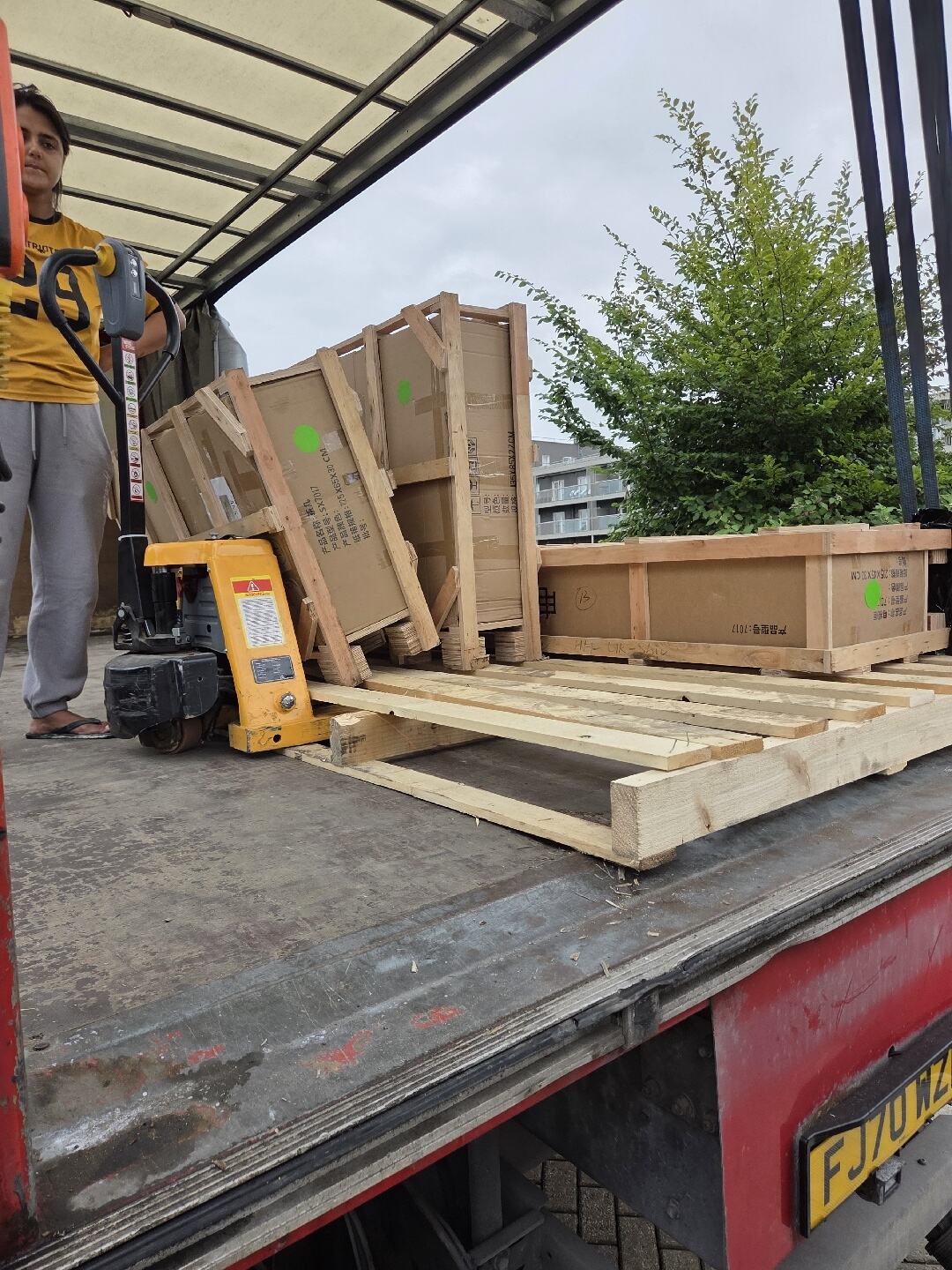
Door to door sea shipping begins at the shipper's warehouse or production facility, where a logistics provider arranges collection using local trucking or courier services. The cargo is then consolidated or loaded into full containers depending on volume, prepared with proper export documentation, and transported to the origin port for vessel loading. This eliminates the need for the exporter to independently manage inland transportation at the origin, which is often a costly and time-consuming process.
Once the shipment arrives at the destination port, the same integrated provider takes over again. Customs clearance, import duties, and local delivery to the consignee's address are all handled within the same service framework. This end-to-end coverage is what distinguishes door to door sea shipping from conventional freight forwarding, where responsibility transfers between parties at multiple checkpoints and gaps in accountability can create delays.
The seamless handoff between each stage is what makes this model particularly powerful for international logistics. Shippers no longer need to track multiple vendors or worry about miscommunication between an overseas freight forwarder and a domestic trucking company. One point of contact manages the full shipment lifecycle, providing clarity and reducing operational risk significantly.
Documentation and Customs Integration
One of the most significant logistical challenges in international shipping is documentation compliance. Door to door sea shipping providers typically include customs brokerage as part of the service, ensuring that commercial invoices, packing lists, bills of lading, and import declarations are prepared correctly and submitted on time. Errors in customs paperwork can result in cargo holds, fines, or return shipments, all of which are expensive setbacks for any business.
When a dedicated team manages documentation end to end, the accuracy rate improves substantially. Experienced providers who specialize in door to door sea shipping are familiar with the specific requirements of different trade corridors, allowing them to anticipate and resolve potential compliance issues before they escalate. This built-in regulatory expertise is a major reason why international logistics teams value this model so highly.
How Door to Door Sea Shipping Reduces Supply Chain Complexity
Consolidating Vendor Management
Traditional international shipping often requires a business to work with an origin freight forwarder, a shipping line, a destination agent, a customs broker, and a final-mile delivery company. Each relationship carries its own contract terms, invoicing cycles, and communication styles. The coordination burden across these parties is substantial, particularly for small and medium-sized businesses that may not have dedicated logistics departments.
Door to door sea shipping consolidates these relationships into a single provider arrangement. Instead of managing five or six vendors, a logistics manager communicates with one team that coordinates all downstream functions internally. This simplification has a direct impact on administrative efficiency and reduces the time spent on exception management when delays or discrepancies occur.
For businesses scaling their international operations, this reduction in vendor complexity is not just convenient—it is strategically important. As shipment volumes increase and trade lanes multiply, the ability to rely on a consistent and accountable door to door sea shipping partner becomes a competitive advantage in managing lead times and customer satisfaction.
Predictable Cost Structures and Budgeting
Freight costs in international logistics are notoriously difficult to predict when multiple vendors are involved. Surcharges, local handling fees, inland transportation rates, and customs clearance costs can vary significantly depending on market conditions and the billing practices of each service provider. This fragmentation makes it difficult for finance teams to budget accurately for shipping expenses.
With door to door sea shipping, the cost structure is typically presented as an all-inclusive or clearly itemized quote that covers the entire journey. Shippers can request a rate that spans inland pickup, ocean freight, customs clearance, and last-mile delivery, making it easier to calculate landed costs and set accurate pricing for end customers. This transparency supports better financial planning at both the operational and strategic level.
Cost predictability also reduces the risk of unexpected invoices arriving after delivery. In traditional shipping arrangements, destination charges are sometimes disclosed only after cargo has already arrived at the port, leaving importers with little negotiating leverage. Door to door sea shipping providers generally agree on the full charge structure upfront, protecting shippers from unwanted financial surprises.
Supporting Different Types of Cargo and Trade Flows
Suitability for FCL and LCL Shipments
Door to door sea shipping is adaptable to both full container load and less than container load cargo types. For large-volume shippers who fill entire containers, the door to door model provides straightforward management of the entire container from factory floor to warehouse receiving dock. For smaller shippers whose cargo shares container space with other consignments, the same door to door approach can be applied, with the provider managing consolidation at the origin and deconsolidation at the destination.
This flexibility makes door to door sea shipping accessible to businesses at different growth stages. A startup importing merchandise from overseas does not need to achieve high shipping volumes to benefit from integrated logistics management. Even a single LCL shipment can move under a door to door arrangement, giving smaller buyers the same logistical control that larger enterprises enjoy.
The ability to support both FCL and LCL under the same service framework also makes it easier for businesses to scale their shipping programs. As order volumes increase and full container loads become practical, the transition within the door to door sea shipping model is straightforward rather than requiring a complete shift to a new service structure.
Handling Specialized and High-Value Cargo
Beyond standard manufactured goods, door to door sea shipping also supports the movement of specialized cargo that requires careful handling and precise coordination. Temperature-sensitive products, fragile electronics, machinery with heavy lift requirements, and regulated goods such as chemicals or medical equipment all require additional documentation and handling expertise. Integrated door to door providers who specialize in these categories can apply appropriate protocols throughout the entire chain without coordination gaps between subcontractors.
For high-value goods, the reduced number of handoffs inherent in door to door sea shipping also lowers the risk of damage, loss, or tampering during transit. When fewer parties touch the cargo and each stage is monitored by a single accountable provider, the integrity of shipments is better maintained from pickup through delivery confirmation.
The Role of Technology in Modern Door to Door Sea Shipping
Real-Time Visibility and Shipment Tracking
One of the most significant improvements in door to door sea shipping over recent years is the integration of digital tracking platforms that provide real-time visibility across every stage of a shipment's journey. Shippers can now monitor cargo as it moves from the pickup location, through the export customs process, across the ocean, through destination customs, and finally to the delivery address. This level of transparency was difficult to achieve when multiple independent vendors managed different legs of the journey.
Real-time tracking data enables logistics teams to proactively communicate with customers, suppliers, and internal stakeholders when delays occur. Rather than waiting for a problem to surface at the final delivery stage, businesses can identify bottlenecks early and make alternative arrangements where possible. This proactive capability is a direct result of the integrated nature of door to door sea shipping services.
Digital Documentation and Compliance Automation
Modern door to door sea shipping providers increasingly use digital platforms to manage documentation workflows, automate compliance checks, and transmit data to customs authorities electronically. Electronic bills of lading, automated duty calculations, and digital cargo release systems reduce the paper-based delays that have historically slowed down international shipments at border crossings and port facilities.
For businesses engaged in high-frequency international trade, these digital tools translate into faster customs clearance times and fewer administrative errors. The reduction in manual data entry also lowers the likelihood of discrepancies between shipping documents and actual cargo descriptions, which are a common trigger for customs holds. Technology integration is therefore not just an operational convenience—it is a material contributor to the reliability that shippers expect from door to door sea shipping arrangements.
As supply chain digitization continues to accelerate across global trade, providers who have invested in technology infrastructure for door to door sea shipping are increasingly well positioned to serve businesses that demand both operational performance and data accessibility within their logistics partnerships.
FAQ
What is the main difference between door to door sea shipping and port to port shipping?
Port to port shipping only covers the ocean leg of a freight journey, leaving the shipper responsible for inland transportation at both origin and destination, as well as customs clearance and final delivery. Door to door sea shipping covers all of these stages under a single service arrangement, providing complete end-to-end logistics management from the shipper's premises to the consignee's address.
Is door to door sea shipping suitable for small and medium-sized businesses?
Yes, door to door sea shipping is well suited to businesses of all sizes. For smaller shippers, LCL consolidation options within door to door arrangements allow companies to ship without filling an entire container. The integrated service model actually provides proportionally greater value to smaller businesses because it removes the burden of coordinating multiple vendors independently, which would otherwise require significant logistics expertise and administrative resources.
How does door to door sea shipping handle customs clearance at the destination?
Most door to door sea shipping providers include customs brokerage at the destination as a core part of their service offering. This means they prepare and submit import declarations, calculate applicable duties and taxes, liaise with customs authorities on behalf of the importer, and arrange release of the cargo for final delivery. Shippers are typically required to provide accurate commercial invoices and product classifications to ensure smooth customs processing.
What should businesses evaluate when selecting a door to door sea shipping provider?
Businesses should assess a provider's experience on specific trade lanes, their customs brokerage capabilities in the destination country, the quality of their tracking and visibility tools, their ability to handle the specific cargo type involved, and the transparency of their pricing structure. Providers who offer detailed upfront quotes inclusive of all charges and maintain proactive communication throughout the shipment journey tend to deliver the most reliable outcomes for companies managing international logistics at scale.
Table of Contents
- The Core Mechanism of Door to Door Sea Shipping
- How Door to Door Sea Shipping Reduces Supply Chain Complexity
- Supporting Different Types of Cargo and Trade Flows
- The Role of Technology in Modern Door to Door Sea Shipping
-
FAQ
- What is the main difference between door to door sea shipping and port to port shipping?
- Is door to door sea shipping suitable for small and medium-sized businesses?
- How does door to door sea shipping handle customs clearance at the destination?
- What should businesses evaluate when selecting a door to door sea shipping provider?