
 EN
EN


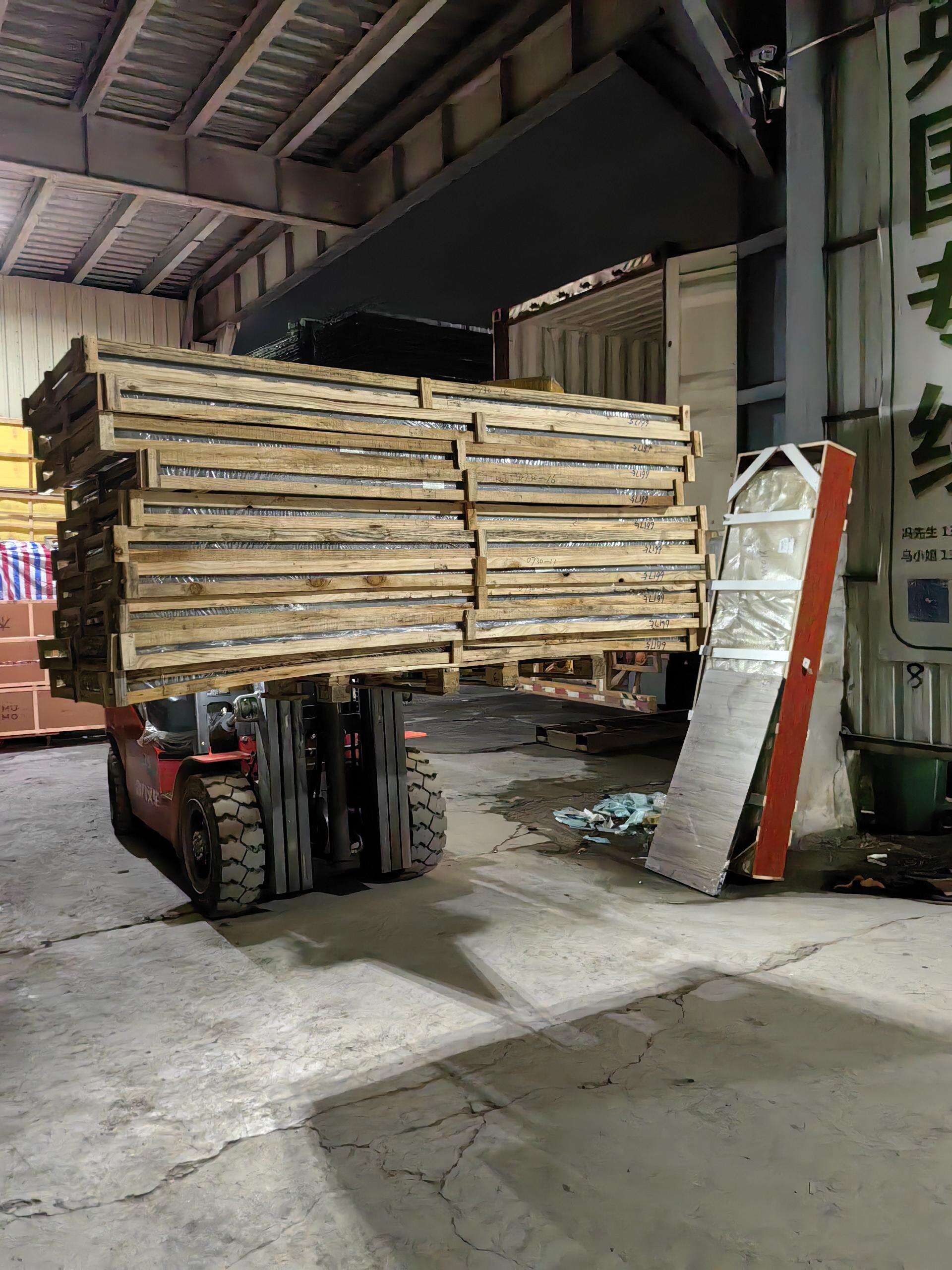
Moving massive equipment and oversized cargo requires specialized expertise and meticulous planning to ensure safe, efficient delivery. The complexity of oversized transportation operations demands careful consideration of multiple critical factors that distinguish reliable carriers from those who struggle with heavy load challenges. Understanding these essential elements helps industrial companies make informed decisions when selecting transportation partners for their most valuable and challenging shipments.
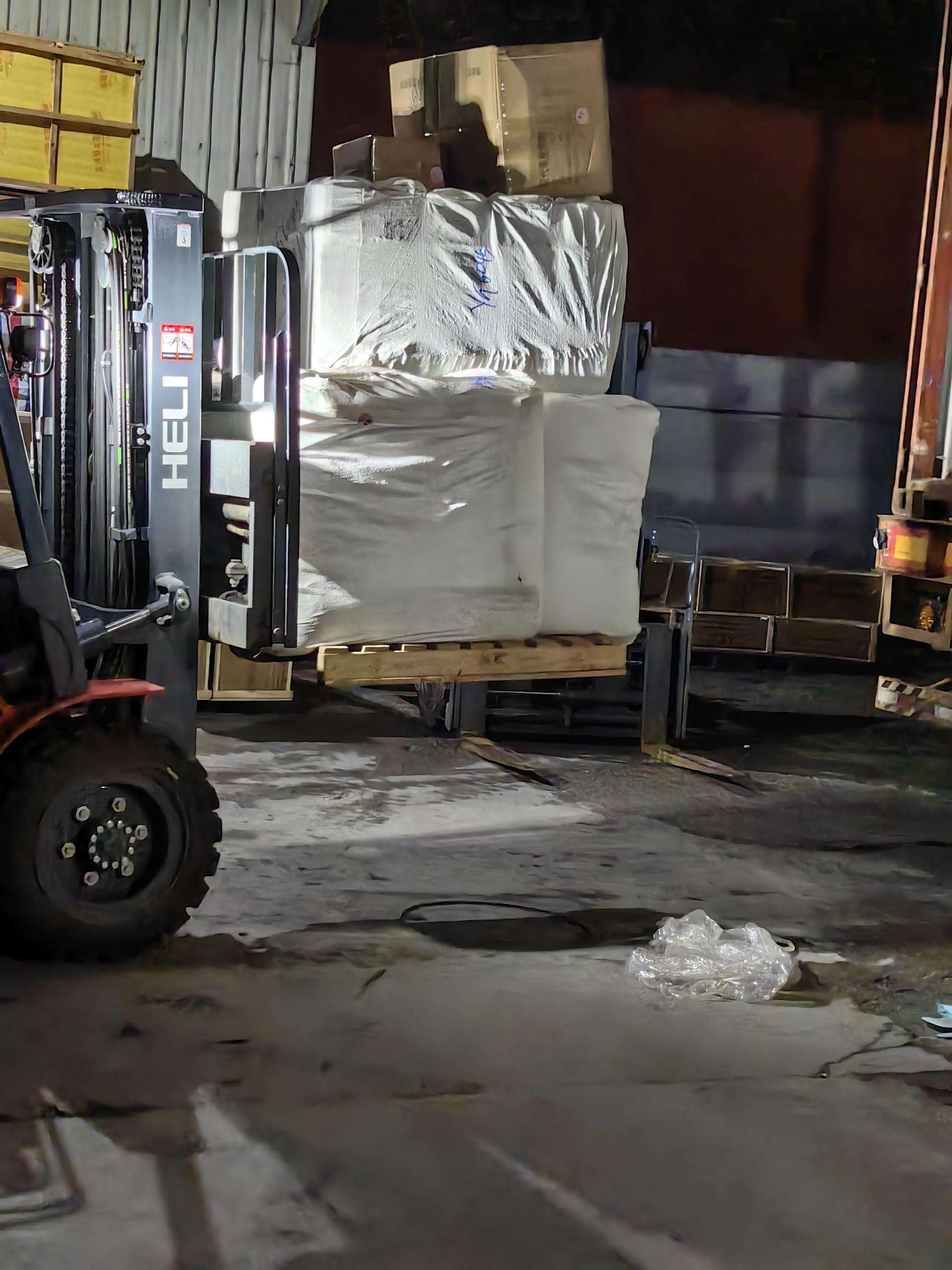
The transportation of oversized loads represents one of the most demanding segments within the logistics industry, requiring specialized knowledge, equipment, and regulatory compliance. Companies seeking reliable oversized transportation services must evaluate providers based on their ability to handle complex routing, obtain necessary permits, and manage sophisticated equipment configurations. The stakes are particularly high in oversized transportation, where a single miscalculation can result in significant delays, damage to valuable cargo, or safety incidents that impact public infrastructure and traffic flow.
Equipment Specifications and Fleet Capabilities
Trailer Configuration and Load Distribution
The foundation of reliable oversized transportation begins with proper trailer selection and configuration. Multi-axle trailers, lowboy configurations, and specialized heavy haul equipment must be precisely matched to cargo specifications to ensure optimal weight distribution and stability during transport. Professional carriers maintain diverse fleet options including removable gooseneck trailers, hydraulic platform trailers, and modular combinations that can be customized for specific load requirements.
Load distribution calculations become critical when dealing with oversized cargo, as improper weight placement can compromise vehicle stability and exceed axle weight limits. Experienced oversized transportation providers utilize advanced load planning software and engineering analysis to determine optimal positioning, securing methods, and axle configurations. This technical approach ensures compliance with bridge laws and highway weight restrictions while maintaining safe handling characteristics throughout the journey.
Specialized Rigging and Securing Systems
The reliability of oversized transportation operations depends heavily on sophisticated cargo securing systems designed to withstand dynamic forces encountered during highway travel. Professional-grade tie-down systems, custom blocking arrangements, and specialized rigging hardware must be engineered to match specific cargo characteristics and transportation conditions. These securing systems require regular inspection and maintenance to ensure consistent performance across multiple transport cycles.
Advanced carriers invest in hydraulic securing systems, adjustable blocking mechanisms, and redundant tie-down configurations that provide multiple layers of cargo protection. The selection and application of these systems requires specialized training and experience, as oversized loads often present unique securing challenges due to irregular shapes, sensitive components, or center-of-gravity considerations that affect stability during transport.
Regulatory Compliance and Permit Management
Multi-State Permit Coordination
Successful oversized transportation requires comprehensive understanding of varying state regulations and permit requirements that govern heavy haul operations. Each jurisdiction maintains specific rules regarding maximum dimensions, weight limits, travel restrictions, and escort requirements that must be carefully coordinated for interstate shipments. Professional carriers maintain dedicated permit specialists who understand the nuances of multi-state compliance and can secure necessary authorizations efficiently.
The permit acquisition process for oversized transportation often involves detailed route surveys, bridge analysis, and coordination with state transportation departments to ensure safe passage through various jurisdictions. Reliable carriers invest in permit management systems and maintain relationships with regulatory agencies to streamline approval processes and minimize delays associated with permit acquisition and route modifications.
Route Planning and Infrastructure Analysis
Comprehensive route planning represents a cornerstone of reliable oversized transportation, requiring detailed analysis of bridge capacities, overhead clearances, road conditions, and traffic patterns. Professional route surveys identify potential obstacles, measure critical clearances, and evaluate infrastructure limitations that could impact safe passage of oversized loads. This planning process often involves coordination with utility companies, traffic management agencies, and local authorities to ensure unobstructed passage.
Advanced oversized transportation providers utilize specialized routing software, GPS tracking systems, and real-time traffic monitoring to optimize travel paths and identify alternative routes when unexpected obstacles arise. Route planning also considers seasonal restrictions, construction activities, and special events that could impact travel schedules or require route modifications during transport operations.
Safety Protocols and Risk Management
Escort Vehicle Coordination
Professional escort services play a crucial role in ensuring safe oversized transportation by providing advance warning to other motorists, monitoring clearances, and coordinating with traffic management systems. Qualified escort drivers receive specialized training in oversized load procedures, communication protocols, and emergency response procedures that enable them to effectively support heavy haul operations. The number and positioning of escort vehicles depends on load dimensions, route characteristics, and regulatory requirements specific to each jurisdiction.
Reliable oversized transportation operations maintain strict escort coordination protocols that include pre-trip briefings, communication procedures, and contingency planning for various scenarios that may arise during transport. Escort vehicles are equipped with appropriate warning devices, communication systems, and measuring equipment necessary to ensure safe passage through challenging road conditions and traffic situations.
Driver Training and Certification
The human element in oversized transportation requires specialized skills and extensive experience handling heavy loads under challenging conditions. Professional drivers must obtain appropriate commercial licensing, complete specialized heavy haul training programs, and maintain current certifications in cargo handling and transportation safety procedures. Ongoing training ensures drivers stay current with evolving regulations, equipment technologies, and best practices in oversized load handling.
Experienced oversized transportation companies invest in comprehensive driver development programs that include simulator training, mentorship opportunities, and regular safety evaluations. Driver selection criteria emphasize experience with similar loads, clean driving records, and demonstrated proficiency in heavy haul operations that require precise vehicle control and situational awareness during complex transportation scenarios.
Technology Integration and Communication Systems
Real-Time Tracking and Monitoring
Modern oversized transportation relies on sophisticated tracking systems that provide real-time visibility into shipment location, route progress, and vehicle status throughout the transportation process. GPS tracking technology integrated with fleet management systems enables continuous monitoring of oversized loads, allowing for proactive response to delays, route deviations, or unexpected challenges that may arise during transport operations.
Advanced communication systems enable constant contact between drivers, dispatch centers, escort vehicles, and customer representatives to ensure coordinated response to changing conditions or emerging issues. These systems often include satellite communication capabilities, mobile data terminals, and emergency communication protocols that maintain connectivity even in remote areas or challenging weather conditions that could impact standard communication networks.
Load Monitoring and Documentation Systems
Reliable oversized transportation providers utilize comprehensive documentation systems that track load conditions, transport parameters, and compliance requirements throughout the shipping process. Electronic logging systems, digital photography, and condition monitoring equipment provide detailed records that support insurance claims, regulatory compliance, and quality assurance programs essential for professional heavy haul operations.
Digital documentation platforms enable real-time sharing of transport progress, delivery confirmations, and condition reports with customers and stakeholders. These systems often integrate with customer enterprise resource planning systems to provide seamless information flow and support supply chain visibility requirements that are increasingly important in modern industrial operations.
Insurance Coverage and Liability Management
Comprehensive Coverage Requirements
The high-value nature of oversized cargo requires specialized insurance coverage that addresses unique risks associated with heavy haul transportation. Professional carriers maintain comprehensive general liability, cargo insurance, and specialized coverage for oversized loads that protect against damage, delays, and third-party claims that may arise during transportation operations. Insurance coverage levels must be sufficient to address the full replacement value of specialized equipment and potential consequential damages.
Reliable oversized transportation providers work closely with insurance specialists who understand the unique exposures associated with heavy haul operations. Coverage considerations include environmental risks, loading and unloading exposures, route-specific hazards, and specialized equipment requirements that may not be adequately addressed by standard transportation insurance policies.
Risk Assessment and Mitigation Strategies
Comprehensive risk assessment forms the foundation of reliable oversized transportation operations, involving detailed analysis of cargo characteristics, route conditions, weather factors, and operational challenges that could impact successful delivery. Professional carriers conduct thorough pre-transport risk evaluations that identify potential exposures and develop specific mitigation strategies to minimize the likelihood of incidents or delays.
Risk mitigation strategies in oversized transportation often include contingency planning, alternative route identification, specialized equipment staging, and coordination with emergency response resources along transport corridors. These proactive measures demonstrate the commitment to safety and reliability that distinguishes professional heavy haul carriers from less experienced transportation providers.
Customer Communication and Project Management
Dedicated Project Coordination
Successful oversized transportation requires dedicated project management that coordinates multiple stakeholders, manages complex logistics, and ensures seamless execution of heavy haul operations. Professional carriers assign experienced project managers who understand the intricacies of oversized load coordination and can effectively manage the various elements required for successful transportation outcomes.
Project coordination for oversized transportation involves scheduling coordination, permit management, equipment allocation, and stakeholder communication that requires specialized knowledge and experience. Effective project managers maintain detailed timelines, manage contingencies, and provide regular updates that keep customers informed throughout the transportation process while ensuring all operational requirements are met efficiently.
Transparent Reporting and Documentation
Professional oversized transportation providers maintain transparent communication protocols that include regular progress updates, detailed reporting, and comprehensive documentation of transport activities. Customers receive timely notifications regarding permit status, route confirmations, departure schedules, and delivery projections that enable effective coordination with receiving facilities and project schedules.
Documentation standards for reliable oversized transportation include photographic records, condition reports, delivery confirmations, and compliance certifications that provide complete accountability throughout the transportation process. These detailed records support quality assurance programs and provide valuable reference information for future transportation planning and continuous improvement initiatives.
FAQ
What permits are typically required for oversized transportation operations
Oversized transportation typically requires state-specific oversize/overweight permits that vary by jurisdiction and load characteristics. Common permit types include single-trip permits for one-time movements, annual permits for regular oversized loads, and specialized permits for super loads that exceed standard oversize limits. Many states also require additional permits for loads exceeding certain dimensions or weights, and some jurisdictions mandate route surveys or engineering analysis for particularly large or heavy cargo.
How do weather conditions affect oversized transportation scheduling
Weather significantly impacts oversized transportation operations, with high winds, ice conditions, and reduced visibility creating safety hazards for large loads. Many carriers implement weather monitoring protocols that include wind speed restrictions, precipitation limitations, and temperature considerations for sensitive cargo. Winter conditions often require specialized equipment, modified securing procedures, and extended travel times to ensure safe delivery of oversized loads under challenging weather conditions.
What should companies consider when selecting an oversized transportation provider
Companies should evaluate carriers based on specialized equipment capabilities, regulatory compliance history, insurance coverage levels, and demonstrated experience with similar cargo types. Key selection criteria include permit management expertise, safety records, driver qualifications, and project management capabilities that ensure reliable execution of complex heavy haul operations. References from previous customers and facility inspections can provide valuable insights into carrier capabilities and operational standards.
How far in advance should oversized transportation be scheduled
Oversized transportation typically requires 2-4 weeks advance scheduling to allow sufficient time for permit acquisition, route planning, and equipment allocation. Complex loads or multi-state movements may require longer lead times, particularly when route surveys, engineering analysis, or specialized equipment modifications are necessary. Early planning enables optimal scheduling, competitive pricing, and thorough preparation that supports reliable transportation outcomes for time-sensitive industrial projects.