
 EN
EN


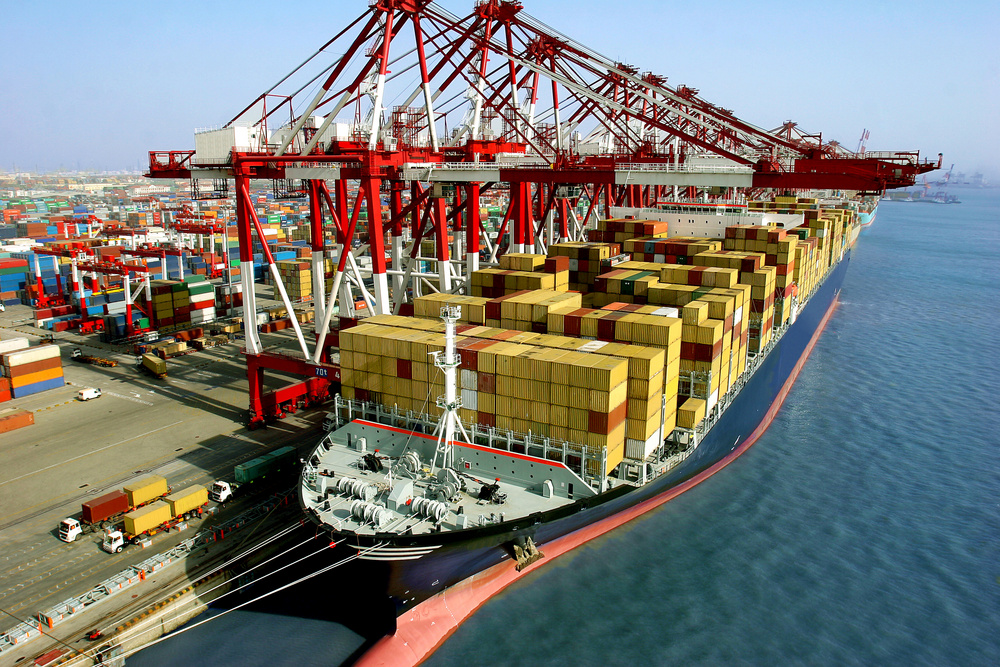
In today's globalized supply chain environment, shippers face mounting pressure to deliver goods reliably and punctually across international borders. Door to door sea freight has emerged as a comprehensive logistics solution that addresses these challenges by streamlining the entire shipping process from origin to final destination. This integrated approach combines ocean transportation with coordinated inland logistics, customs clearance, and last-mile delivery, creating a seamless experience that minimizes delays and optimizes transit times. Understanding how shippers maintain delivery schedules within this complex framework is essential for businesses seeking to enhance their international trade operations and meet customer expectations consistently.
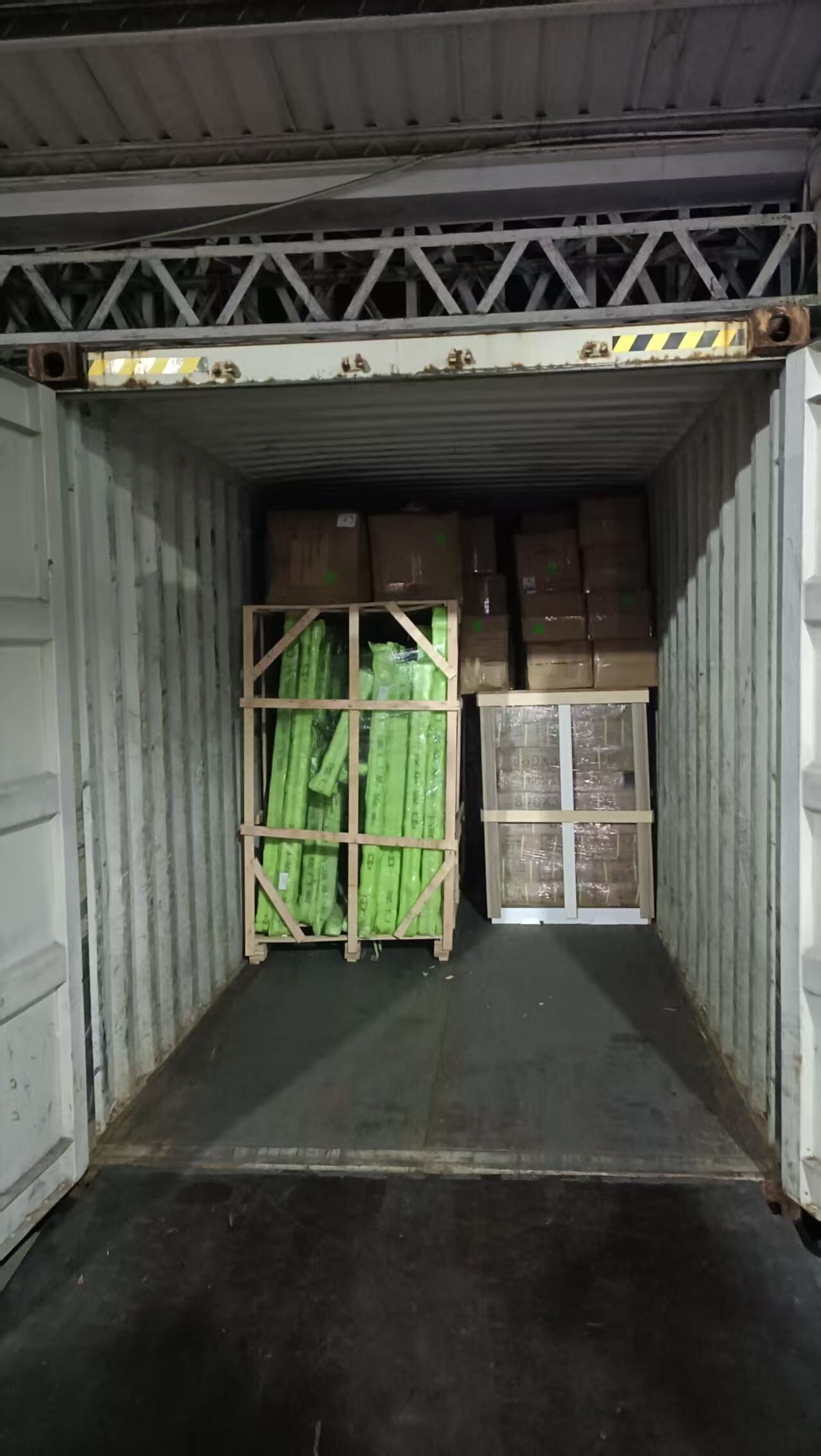
Achieving timely delivery through door to door sea freight requires a multifaceted strategy that balances operational precision with proactive risk management. Shippers must coordinate numerous moving parts including vessel scheduling, port operations, documentation processing, inland transportation networks, and regulatory compliance across multiple jurisdictions. The challenge intensifies when considering variables such as weather disruptions, port congestion, customs inspections, and capacity fluctuations. Successful shippers implement systematic approaches that leverage technology, establish strategic partnerships, maintain buffer contingencies, and employ continuous monitoring throughout the shipping cycle to ensure goods arrive at their destination within the promised timeframe.
Strategic Planning and Route Optimization
Comprehensive Transit Time Analysis
Shippers who excel at maintaining delivery schedules begin with thorough transit time analysis well before booking their door to door sea freight services. This process involves evaluating historical performance data across different shipping lanes, carriers, and seasonal periods to establish realistic expectations. By examining average voyage durations, port dwell times, customs clearance speeds, and inland delivery timeframes, shippers can accurately forecast total door-to-door transit and build appropriate lead times into their supply chain planning. This analytical foundation allows businesses to set achievable delivery commitments rather than overpromising to customers based on optimistic scenarios.
Advanced shippers utilize sophisticated modeling tools that incorporate multiple data points including carrier schedule reliability, port efficiency metrics, and regional infrastructure capabilities. These models account for variability in transit times caused by factors such as transshipment requirements, equipment repositioning, and seasonal demand surges. By understanding the full spectrum of potential outcomes rather than relying solely on average transit times, shippers can make informed decisions about which routes and service options best align with their delivery requirements. This data-driven approach to route selection forms the cornerstone of reliable door to door sea freight performance.
Carrier Selection and Service Level Matching
Choosing the right ocean carrier represents a critical decision that directly impacts delivery reliability in door to door sea freight operations. Shippers must evaluate carriers not just on pricing but on demonstrated schedule integrity, vessel capacity allocation practices, and their commitment to maintaining published sailing schedules. Carriers with modern, fuel-efficient fleets and strategic alliance memberships typically offer more consistent service since they can better manage capacity fluctuations and maintain regular sailing frequencies even during market downturns. Evaluating a carrier's track record for on-time departure and arrival performance provides valuable insight into their operational discipline.
Beyond carrier selection, matching the appropriate service level to shipment urgency ensures cost-effective delivery performance. Door to door sea freight services range from economy consolidation options with longer transit times to premium direct services that minimize transshipment delays. Shippers handling time-sensitive cargo often opt for direct port-pair services with fixed-day weekly departures, accepting higher costs in exchange for predictability. For less urgent shipments, consolidated services that aggregate cargo from multiple shippers offer economical transportation while still providing full door-to-door coordination. Understanding these service level distinctions and aligning them with business requirements prevents both unnecessary premium spending and costly delivery failures.
Seasonal Planning and Capacity Forecasting
Proactive shippers recognize that door to door sea freight capacity and schedule reliability fluctuate significantly throughout the year, requiring forward-looking planning to maintain consistent delivery performance. Peak shipping seasons preceding major retail periods or holidays create capacity crunches that can delay vessel departures, extend port dwell times, and strain inland transportation networks. Shippers who anticipate these patterns and secure space allocations months in advance protect themselves from the cascading delays that plague reactive competitors during high-demand periods. This strategic booking approach often involves framework agreements with freight forwarders or carriers that guarantee capacity access during critical windows.
Seasonal weather patterns also demand consideration in delivery planning for door to door sea freight services. Typhoon season in Asia, winter storms affecting North Atlantic routes, and monsoons impacting South Asian ports all introduce predictable disruption windows that savvy shippers account for in their scheduling. Building additional buffer time into transit expectations during these periods, or strategically timing shipments to avoid known risk windows, helps maintain delivery reliability despite environmental challenges. This temporal awareness extends to understanding how holiday periods in different countries affect customs processing speeds and inland delivery availability, ensuring complete door-to-door timing accuracy.
Documentation and Customs Clearance Excellence
Proactive Documentation Preparation
Timely delivery in door to door sea freight operations depends heavily on flawless documentation that enables smooth customs clearance without delays. Shippers who consistently meet delivery schedules invest significant effort in preparing complete, accurate commercial invoices, packing lists, certificates of origin, and specialized compliance documents well before cargo arrives at destination ports. This proactive approach allows customs brokers to pre-clear shipments or identify potential issues that can be resolved before physical cargo arrival, dramatically reducing port dwell time. Electronic documentation systems that transmit shipping papers to destination agents immediately upon cargo departure create additional time advantages in the clearance process.
The complexity of international trade regulations demands that shippers maintain current knowledge of documentation requirements across their trading lanes. Door to door sea freight shipments crossing multiple borders may require country-specific forms, product certifications, sanitary permits, or quota allocations that vary by commodity and destination. Shippers who develop standardized documentation checklists for each trade lane, regularly update these based on regulatory changes, and train their export teams accordingly minimize the risk of document-related delays. Partnering with experienced freight forwarders who specialize in specific routes provides additional expertise that catches documentation deficiencies before they impact delivery schedules.
Harmonized System Classification Accuracy
Correct tariff classification under the Harmonized System represents a critical yet often overlooked factor in maintaining door to door sea freight delivery schedules. Misclassified goods trigger customs examinations, duty disputes, and clearance holds that can extend port dwell time from days to weeks. Shippers committed to delivery reliability invest in professional classification reviews, particularly for new products or complex goods that span multiple HS code possibilities. Maintaining consistent classification across all shipping documents and ensuring alignment between shipper declarations and importer records prevents discrepancies that raise red flags during customs processing.
Advanced shippers take classification accuracy a step further by obtaining binding tariff rulings from customs authorities before shipping, creating documentation that expedites clearance and protects against classification disputes. For door to door sea freight programs involving repetitive shipments of similar products, this upfront investment in classification certainty pays dividends through faster, more predictable customs processing. The relationship between accurate classification and duty calculation also impacts delivery timing since duty payment delays can hold cargo at customs facilities even after clearance approval. Shippers who establish duty payment mechanisms such as continuous bonds or automated payment arrangements eliminate this potential bottleneck.
Regulatory Compliance Programs
Participation in trusted trader programs such as C-TPAT in the United States, AEO in Europe, or similar schemes in other jurisdictions provides door to door sea freight shippers with tangible delivery advantages. These voluntary security certifications reduce the likelihood of cargo inspections, accelerate customs processing, and provide dedicated lanes at busy ports where certified importers receive priority handling. The investment required to achieve and maintain these certifications including security audits, supply chain documentation, and partner vetting creates barriers that many shippers avoid, but the delivery reliability benefits for certified participants are substantial during peak periods when non-certified cargo faces extended processing queues.
Beyond security programs, shippers handling regulated products must implement compliance management systems that ensure adherence to product-specific requirements such as food safety standards, pharmaceutical cold chain documentation, or hazardous materials declarations. For door to door sea freight involving these specialized commodities, compliance failures result not just in delays but in rejected shipments, financial penalties, and long-term damage to importer credentials. Systematic compliance programs that verify regulatory requirements during order processing, validate documentation before shipment, and maintain audit trails throughout the supply chain protect delivery schedules while reducing legal exposure across international transactions.
Technology Integration and Shipment Visibility
Real-Time Tracking and Monitoring Systems
Modern door to door sea freight operations rely extensively on digital tracking platforms that provide continuous visibility from cargo pickup through final delivery. Shippers who maintain on-time performance leverage these systems not just for status updates but as early warning mechanisms that identify developing delays before they impact delivery commitments. Real-time vessel tracking combined with port congestion data allows shippers to anticipate arrival delays and proactively communicate revised schedules to customers. Similarly, container-level GPS tracking during inland segments reveals transportation delays or route deviations that require immediate intervention to protect delivery timelines.
Integration between tracking systems and enterprise resource planning platforms enables automated exception management where system-detected delays trigger predefined escalation protocols. For door to door sea freight shipments approaching delivery deadline thresholds, these automated workflows can initiate carrier contact, explore expedited inland routing options, or adjust customer delivery appointments without manual intervention. This technological integration transforms passive shipment monitoring into active delivery management, significantly improving schedule adherence across high-volume shipping programs. Shippers who invest in these integrated platforms report substantially lower rates of surprise delivery failures compared to those relying on manual tracking and reactive problem-solving.
Predictive Analytics and Delay Forecasting
Leading shippers have moved beyond reactive tracking to implement predictive analytics that forecast potential delays before they materialize in door to door sea freight operations. Machine learning algorithms analyze patterns across thousands of shipments, identifying correlations between factors such as booking timing, vessel selection, port pairs, seasonal periods, and delivery outcomes. These models generate probability assessments for on-time delivery that inform booking decisions, allowing shippers to select routing options with the highest likelihood of meeting specific delivery requirements. Predictive capabilities prove especially valuable for time-critical shipments where the cost of delays justifies premium routing or expedited service upgrades.
Weather forecasting integration represents another frontier in predictive delay management for door to door sea freight services. By overlaying storm tracking data with planned vessel routes and port operations schedules, shippers can anticipate weather-related disruptions days in advance rather than reacting after delays occur. This foresight enables proactive measures such as re-routing cargo through alternative ports, adjusting pickup schedules to avoid congestion from diverted vessels, or communicating delivery expectation changes to customers with maximum notice. The combination of historical pattern analysis and forward-looking environmental data creates a powerful toolset for maintaining delivery reliability despite the inherent unpredictability of ocean transportation.
Digital Documentation and Blockchain Applications
The digitization of shipping documents through platforms that enable electronic bills of lading, digital certificates of origin, and blockchain-verified customs declarations accelerates door to door sea freight processing throughout the supply chain. Traditional paper documentation creates delays at every handoff point as physical documents move between parties, often traveling separately from cargo and creating holds when documents arrive after physical goods. Electronic documentation platforms eliminate these timing disconnects, ensuring that all parties have simultaneous access to required paperwork from the moment of cargo departure through final delivery.
Blockchain implementations in door to door sea freight operations take digital documentation benefits further by creating immutable audit trails that customs authorities increasingly accept for expedited clearance. Smart contracts embedded in blockchain platforms automatically trigger document releases, payment settlements, and status updates when predefined conditions are met, reducing human intervention delays throughout the shipping process. While blockchain adoption remains nascent in ocean freight, early implementers report measurable reductions in document processing time and customs clearance duration. Shippers participating in blockchain consortia gain competitive delivery advantages as these platforms achieve broader acceptance among carriers, ports, and customs authorities globally.
Inland Logistics Coordination and Last-Mile Reliability
Strategic Drayage Partner Selection
The ocean voyage represents only one component of door to door sea freight transit time, with inland transportation often determining whether delivery schedules succeed or fail. Port drayage, the movement of containers between marine terminals and inland destinations or rail ramps, introduces critical timing dependencies that require careful management. Shippers achieving consistent delivery performance develop relationships with drayage providers who maintain adequate equipment pools, prioritize appointment reliability, and operate during extended gate hours that maximize flexibility. The shortage of chassis equipment and driver capacity in many markets makes these partnerships essential rather than transactional commodity relationships.
Quality drayage partners contribute to door to door sea freight delivery reliability through operational practices such as dual transactions that combine import container delivery with export container pickup on single trips, reducing congestion and improving equipment utilization. They maintain communication systems that provide real-time updates on pickup completion, delivery progress, and any encountered obstacles such as terminal congestion or equipment issues. For time-sensitive shipments, premium drayage services offering guaranteed pickup windows within hours of container availability rather than standard two-to-five-day windows can compress total transit time significantly. Shippers willing to pay modest premiums for this enhanced service gain delivery certainty that protects customer relationships and enables tighter inventory management.
Intermodal Integration for Long-Distance Delivery
When door to door sea freight involves significant inland distances from destination ports to final delivery locations, intermodal rail integration often provides the optimal balance between cost and transit time reliability. Shippers who coordinate ocean arrivals with scheduled rail departures minimize port dwell time while accessing the schedule consistency that modern intermodal services deliver. Major rail operators have invested heavily in double-stack infrastructure and terminal capacity that enables predictable transit times across transcontinental distances, often rivaling truck delivery speeds at substantially lower costs for full container loads.
Successful intermodal integration within door to door sea freight programs requires careful attention to equipment compatibility, terminal locations, and schedule coordination. Shippers must ensure that ocean containers meet domestic rail specifications, plan for potential equipment repositioning delays, and understand the terminal cut-off times that determine whether containers make intended rail departures. Working with freight forwarders or beneficial cargo owners who maintain dedicated intermodal allocations with rail carriers provides schedule priority during peak periods when capacity constraints affect spot market shipments. The combination of ocean freight to major gateway ports followed by reliable intermodal rail distribution creates cost-effective door-to-door service that maintains consistent delivery performance across continental distances.
Final-Mile Delivery Execution
The final segment of door to door sea freight transportation from distribution centers or cross-dock facilities to ultimate consignee locations demands the same attention to reliability as earlier supply chain stages. Shippers who maintain delivery schedules implement appointment scheduling systems that coordinate final delivery timing with recipient availability, preventing failed delivery attempts that extend total transit time. For commercial deliveries to businesses with receiving hour restrictions, advance communication and confirmed appointment windows prove essential to completing the door-to-door process within planned timeframes.
Final-mile delivery complexity increases with specialized handling requirements such as liftgate service for locations without loading docks, inside delivery beyond the threshold, or installation services that extend beyond basic transportation. Door to door sea freight quotes must accurately capture these service requirements to avoid delays when carriers arrive unprepared for necessary handling equipment or labor. Shippers who provide detailed delivery instructions including access restrictions, unloading equipment availability, and consignee contact information reduce the likelihood of service failures that require rescheduling. The investment in thorough delivery planning and communication pays dividends through higher first-attempt delivery success rates that protect overall schedule integrity.
Risk Management and Contingency Planning
Buffer Time Allocation Throughout the Supply Chain
Realistic delivery promises in door to door sea freight operations incorporate buffer time at critical juncture points where delays commonly occur. Rather than calculating delivery dates based on best-case transit times, sophisticated shippers add contingency days that account for normal variability in port operations, customs processing, and inland transportation. This conservative approach may initially seem to create competitive disadvantages against shippers promising faster delivery, but it consistently produces higher on-time performance that builds customer confidence and reduces the operational chaos caused by constant expediting and exception management.
Strategic buffer allocation concentrates additional time where uncertainty is highest rather than spreading contingency uniformly across all supply chain segments. For door to door sea freight shipments, customs clearance and port drayage typically warrant the most substantial buffers given their susceptibility to unpredictable delays from inspections, documentation issues, or equipment shortages. Ocean transit segments on reliable trade lanes with frequent service may require minimal buffer, while routes prone to weather disruptions or transshipment delays demand more conservative planning. This risk-based approach to buffer allocation optimizes total supply chain time while protecting delivery reliability where protection matters most.
Alternative Routing and Mode Conversion Options
Shippers committed to delivery reliability maintain contingency plans that enable rapid response when door to door sea freight shipments encounter significant delays threatening customer commitments. These plans identify alternative routing options including different destination ports with better congestion profiles, transloading opportunities that enable partial air freight for urgent components, or cross-border truck routes that bypass congested gateway facilities. Having pre-negotiated rates and established procedures for these alternative modes enables fast decision-making when standard routing becomes untenable.
The economic analysis supporting contingency activation balances the premium cost of alternative transportation against the consequences of delivery failure including customer penalties, lost sales, production line shutdowns, or relationship damage. For door to door sea freight shipments with high value-to-weight ratios or critical just-in-time applications, the threshold for mode conversion to air freight or expedited trucking may be relatively low. Commodity shipments with lower margins and less time sensitivity warrant higher tolerance for delays before activating expensive alternatives. Establishing clear decision criteria and authorization protocols before crises occur prevents panic-driven decisions and ensures that contingency resources deploy appropriately when circumstances justify their cost.
Insurance and Financial Protection Mechanisms
While operational excellence forms the primary defense against delivery failures in door to door sea freight programs, comprehensive insurance coverage provides financial protection when delays occur despite best efforts. Cargo insurance with delay coverage extensions protects against losses from spoilage, market value deterioration, or contractual penalties resulting from extended transit times. For temperature-controlled shipments or time-sensitive goods, this coverage proves especially valuable since traditional cargo insurance only addresses physical damage or loss rather than economic consequences of delayed arrival.
Supply chain disruption insurance represents an emerging product category that addresses broader delivery reliability concerns in door to door sea freight operations. These policies can cover business interruption losses resulting from major supply chain disruptions including port closures, carrier bankruptcies, or catastrophic weather events that prevent normal delivery execution. While insurance cannot restore delivery schedules, it mitigates the financial impact of circumstances beyond shipper control, allowing businesses to weather major disruptions without catastrophic losses. The combination of operational reliability practices and appropriate insurance coverage creates a comprehensive risk management framework that protects both delivery performance and business continuity.
FAQ
What is the typical transit time for door to door sea freight shipments?
Door to door sea freight transit times vary significantly based on origin and destination pairs, ranging from 15 to 45 days for most international routes. The total timeline encompasses inland pickup, export customs clearance, ocean voyage, import customs processing, and final delivery. Major trade lanes such as Asia to North America West Coast average 20 to 25 days, while Asia to Europe routes typically require 30 to 35 days. Shippers should add buffer time to these averages to account for normal variability in port operations and customs clearance, with conservative planning suggesting an additional 5 to 7 days beyond carrier-quoted transit times to ensure reliable delivery performance.
How much does door to door sea freight cost compared to port-to-port services?
Door to door sea freight services typically cost 30 to 50 percent more than basic port-to-port ocean freight rates, with the premium covering inland transportation, customs brokerage, documentation handling, and delivery coordination. For a standard 40-foot container from Asia to North America, port-to-port ocean freight might cost $2,000 to $4,000 depending on market conditions, while complete door-to-door service could total $3,000 to $6,500 including all inland and clearance components. The cost differential reflects the significant value of comprehensive service coordination, and shippers generally find the premium justified by reduced complexity, faster processing, and the elimination of multiple vendor management responsibilities that come with arranging each supply chain segment independently.
Can door to door sea freight accommodate temperature-controlled cargo?
Yes, door to door sea freight services fully accommodate temperature-controlled cargo through refrigerated containers that maintain precise temperature ranges throughout the entire supply chain journey. Specialized reefer containers equipped with integral refrigeration units protect pharmaceuticals, fresh produce, frozen foods, and other temperature-sensitive products from origin to final destination. Shippers must specify temperature requirements when booking, ensure power availability during inland segments, and work with carriers experienced in cold chain management. The door-to-door coordination proves especially valuable for reefer cargo since it eliminates handoff points where temperature excursions commonly occur, with integrated service providers maintaining continuous monitoring and power supply throughout transit to protect product integrity and ensure regulatory compliance.
How do shippers track door to door sea freight shipments in real time?
Modern door to door sea freight tracking combines multiple technologies including container GPS devices, vessel AIS positioning, and integrated freight management platforms that aggregate data from all supply chain participants. Shippers typically receive a tracking reference number that provides access to web-based portals showing current location, milestone completion status, and estimated delivery dates updated continuously as the shipment progresses. Advanced tracking systems send automated alerts for key events such as vessel departure, port arrival, customs clearance completion, and delivery scheduling. Many freight forwarders now offer mobile applications that provide push notifications for status changes, enabling proactive management of potential delays and real-time visibility that supports accurate delivery communication to customers throughout the transit period.