
 EN
EN


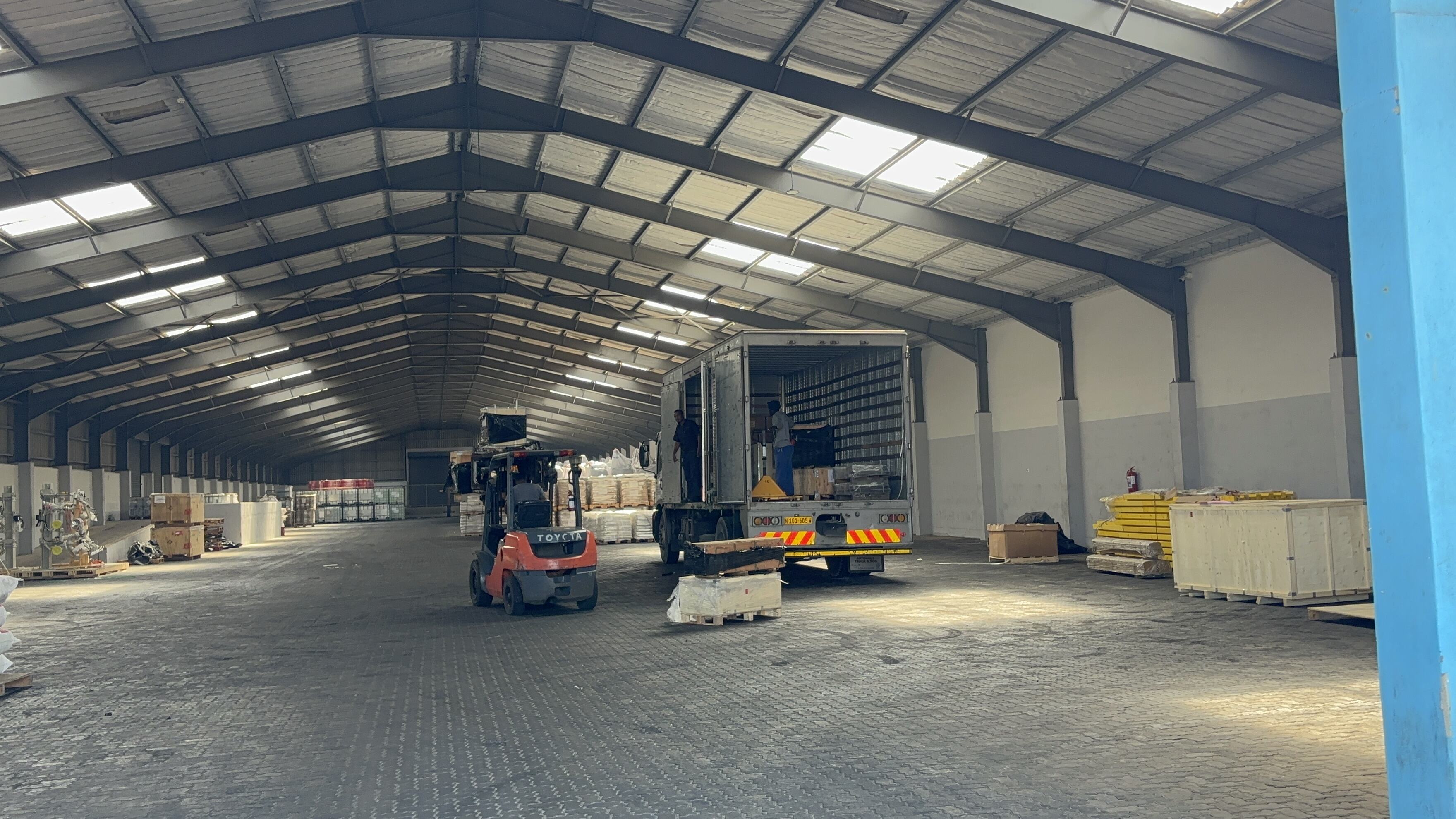
Understanding the cost structure of door to door sea freight services is essential for businesses seeking to optimize their international shipping expenditures and maintain competitive pricing in global markets. The pricing of door to door sea freight involves a complex interplay of variables that extend beyond simple container rates, encompassing numerous service components from origin pickup to final destination delivery. Companies that grasp these cost determinants can make informed decisions about their logistics strategies, negotiate more effectively with freight forwarders, and identify opportunities for cost savings without compromising service quality or delivery reliability.

The factors affecting door to door sea freight costs range from fundamental shipping parameters like cargo volume and weight to more nuanced elements such as seasonal demand fluctuations, fuel price volatility, and destination-specific regulatory requirements. Each component of the door to door service chain contributes its own cost element, and the cumulative effect of these factors determines the final quoted price. This comprehensive examination explores the primary cost drivers in door to door sea freight services, providing business decision-makers with the knowledge necessary to anticipate expenses, budget accurately, and select service options that align with their operational requirements and financial constraints.
Shipment Characteristics and Volume Considerations
Cargo Volume and Container Utilization
The volume of cargo being shipped represents one of the most significant factors influencing door to door sea freight costs. Full container load shipments typically offer better per-unit economics compared to less-than-container-load options, as the fixed costs associated with container handling, documentation, and transportation are spread across a larger quantity of goods. When businesses can consolidate sufficient cargo to fill an entire twenty-foot or forty-foot container, they benefit from economies of scale that substantially reduce the cost per cubic meter or per kilogram of shipped goods.
Container utilization efficiency directly impacts the overall cost structure of door to door sea freight services. Freight forwarders calculate charges based on either volumetric weight or actual weight, whichever is greater, meaning that lightweight but bulky cargo may incur higher costs than dense, compact shipments of the same actual weight. Businesses shipping irregularly shaped items or products with low density should carefully consider packaging optimization strategies to maximize container space utilization and minimize wasted cubic capacity that still incurs transportation charges.
Cargo Weight and Density Factors
The actual weight of shipped cargo influences multiple cost components within door to door sea freight services, from origin pickup transportation to final delivery handling charges. Heavy cargo requires specialized equipment for loading and unloading, may necessitate reinforced packaging materials, and can trigger additional handling fees at various points throughout the supply chain. Extremely heavy shipments might exceed standard container weight limits, requiring special arrangements that increase overall service costs through the need for specialized containers or additional transportation resources.
Density considerations become particularly important when comparing volumetric weight calculations to actual weight measurements. Freight forwarders apply dimensional weight pricing formulas that account for the space cargo occupies relative to its physical weight, ensuring that transportation resources are compensated fairly whether shipping dense machinery parts or voluminous but lightweight textile products. Understanding how density affects pricing enables businesses to make strategic decisions about product packaging, shipment consolidation timing, and the potential benefits of compressing or repackaging goods before international transit.
Geographic and Route-Specific Elements
Origin and Destination Location Impact
The geographic locations of shipment origin and final destination significantly influence door to door sea freight costs through multiple mechanisms. Major commercial ports with high shipping volumes and competitive carrier presence typically offer more favorable rates compared to smaller, less frequently serviced ports that may have limited vessel calls and reduced competition among ocean carriers. The distance from the shipper's facility to the origin port and from the destination port to the final delivery address adds inland transportation costs that vary considerably based on regional infrastructure quality, fuel prices, and local transportation market conditions.
Remote or less accessible locations often incur premium charges for door to door sea freight services due to the additional complexity and resources required to complete the first-mile and last-mile segments of the journey. Areas with limited transportation infrastructure, challenging terrain, or sparse logistics service networks necessitate specialized arrangements that increase costs through longer transit times, the need for multiple transportation mode transfers, or the involvement of regional carriers who command higher rates for serving difficult-to-reach destinations. Businesses shipping to or from such locations should anticipate these geographic premiums when budgeting for international logistics expenses.
Shipping Route Demand and Capacity
The specific ocean shipping route connecting origin and destination ports exhibits varying demand patterns and capacity availability that directly affect door to door sea freight pricing. High-demand trade lanes with consistent cargo volumes attract numerous carriers competing for business, which generally results in more competitive pricing and frequent sailing schedules that benefit shippers through improved service options and cost efficiency. Conversely, less popular routes with limited cargo flow may offer fewer carrier choices and less frequent vessel departures, often commanding premium rates to compensate carriers for operating services on lanes with lower capacity utilization.
Seasonal fluctuations in shipping demand create pricing volatility on many international routes, with peak seasons typically seeing substantial rate increases as cargo volumes surge and available container space becomes scarce. The pre-holiday shipping rush, agricultural harvest periods, and manufacturing cycles in major exporting regions all contribute to temporary capacity constraints that enable carriers to implement peak season surcharges. Smart logistics managers monitor these seasonal patterns and, when possible, adjust shipping schedules to avoid peak periods, thereby securing more favorable door to door sea freight rates during periods of lower demand and greater capacity availability.
Service Level and Transit Time Requirements
Speed and Urgency Considerations
The desired transit time for door to door sea freight services directly correlates with cost, as expedited shipping options command premium pricing compared to standard service offerings. Express ocean freight services that prioritize faster vessel schedules, minimal port dwelling times, and accelerated customs clearance procedures enable businesses to reduce inventory carrying costs and respond more quickly to market demands, but these benefits come at substantially higher freight charges. The urgency of delivery requirements forces a trade-off between transportation costs and the business value of faster product availability.
Standard economy door to door sea freight services offer the most cost-effective option for shipments where delivery timing flexibility exists and inventory planning can accommodate longer transit periods. These services typically involve slower vessel speeds, potential cargo consolidation delays at origin ports, and standard priority in port operations and customs processing. Businesses with predictable demand patterns, adequate safety stock levels, and longer product lead times can leverage economy services to minimize transportation expenses while still meeting operational requirements through careful planning and realistic delivery expectation management.
Additional Service Components
Value-added services integrated into door to door sea freight offerings create additional cost layers that vary based on specific customer requirements. Cargo insurance premiums protect against loss or damage during transit, with rates determined by cargo value, product type, and selected coverage limits. Specialized handling services for temperature-controlled goods, hazardous materials, or fragile items require investment in appropriate equipment and trained personnel, resulting in surcharges that reflect the additional complexity and risk involved in managing such cargo safely throughout the international supply chain.
Documentation services, customs brokerage, and regulatory compliance management represent essential components of comprehensive door to door sea freight packages that contribute to overall service costs. Professional customs clearance services navigate complex import regulations, calculate duties and taxes accurately, and manage required documentation submissions to government agencies, preventing costly delays and penalties associated with non-compliance. While these services add to the total landed cost, they provide valuable expertise and risk mitigation that most businesses find essential for smooth international shipping operations, particularly when dealing with unfamiliar destination country regulations or complex product classifications.
Market Conditions and External Variables
Fuel Price Fluctuations
Fuel costs represent a substantial portion of overall operating expenses for ocean carriers and ground transportation providers involved in door to door sea freight services. The maritime industry's bunker fuel prices fluctuate based on global petroleum markets, refining capacity, environmental regulations affecting fuel specifications, and geopolitical events impacting energy supply chains. Carriers typically implement bunker adjustment factors or fuel surcharges that adjust freight rates in response to these price movements, ensuring that significant fuel cost increases are shared with shippers rather than absorbed entirely by transportation providers.
The implementation of stricter environmental regulations, particularly the International Maritime Organization's sulfur emission limits, has increased fuel costs for ocean carriers who must now use more expensive low-sulfur fuel or invest in exhaust gas cleaning systems. These regulatory compliance costs inevitably influence door to door sea freight pricing as carriers pass through their increased operating expenses to customers through base rate adjustments or specific environmental surcharges. Businesses planning long-term shipping budgets should anticipate continued pressure on fuel-related costs as the maritime industry adapts to evolving environmental standards and pursues decarbonization initiatives.
Currency Exchange Rate Impact
International door to door sea freight transactions frequently involve multiple currencies throughout the service chain, creating exposure to exchange rate fluctuations that can significantly affect total landed costs. Freight charges may be quoted in US dollars, euros, or other major currencies, while local charges for trucking, customs clearance, and destination delivery occur in local currencies. Exchange rate movements between quotation and payment dates can either increase or decrease the actual cost in the shipper's home currency, introducing an element of financial uncertainty into international logistics budgeting.
Sophisticated businesses manage currency risk in door to door sea freight services through various hedging strategies, forward currency contracts, or pricing negotiations that fix exchange rates for specific periods. Small and medium-sized enterprises without access to complex financial instruments should at minimum monitor exchange rate trends when comparing quotes from different freight forwarders and consider the potential for currency fluctuation when establishing contingency budgets for international shipping expenses. Understanding currency exposure helps businesses make more accurate cost projections and avoid unexpected budget overruns caused by adverse exchange rate movements during extended shipping periods.
Regulatory and Compliance Costs
Government regulations at both origin and destination countries impose various compliance requirements that add cost layers to door to door sea freight services. Import duties, value-added taxes, and customs processing fees constitute mandatory charges that vary dramatically based on product classification, country of origin, and applicable trade agreements. Security screening requirements, particularly for shipments entering countries with stringent cargo inspection protocols, may trigger examination fees or cause delays that increase storage charges at ports and inland facilities.
Destination country-specific requirements such as import licensing, product certification, labeling compliance, and phytosanitary inspections for agricultural products create additional cost burdens that must be factored into total door to door sea freight expenses. Freight forwarders with expertise in destination market regulations provide valuable services by ensuring all necessary compliance steps are completed correctly and efficiently, but this specialized knowledge commands appropriate compensation through service fees. Businesses entering new international markets should invest time in understanding destination regulatory landscapes to accurately anticipate these compliance-related costs and avoid surprises that could undermine product profitability or market entry strategies.
Carrier Selection and Service Provider Factors
Freight Forwarder Capabilities and Networks
The choice of freight forwarder for door to door sea freight services significantly influences both cost and service quality outcomes. Large, globally integrated freight forwarders leverage extensive agent networks, volume-based carrier contracts, and sophisticated technology platforms to offer competitive pricing and seamless service coordination across international supply chains. Their purchasing power with ocean carriers and ground transportation providers enables them to negotiate favorable rates that smaller forwarders cannot match, though these advantages may be offset by less personalized service or rigid operational procedures.
Regional and specialized freight forwarders often excel in specific trade lanes or industry verticals, developing deep expertise and strong relationships in focused market segments. These providers may offer superior service quality, more flexible problem-solving approaches, and better communication for door to door sea freight movements within their areas of specialization, though potentially at higher price points than mass-market alternatives. Businesses should evaluate freight forwarder selection based on the total value proposition rather than price alone, considering factors such as service reliability, claims handling reputation, technology capabilities, and the strategic importance of particular shipping lanes to their overall logistics network.
Contract Terms and Volume Commitments
The contractual relationship between shipper and freight forwarder substantially affects door to door sea freight pricing structures. Spot market rates for individual shipments typically exceed contract rates negotiated for ongoing business relationships with volume commitments. Businesses that can forecast shipping volumes with reasonable accuracy benefit from multi-shipment contracts that lock in pricing for defined periods, providing budget certainty and often securing preferential rates in exchange for guaranteed cargo volumes that help freight forwarders optimize their own carrier capacity bookings.
Contract negotiation strategies for door to door sea freight services should balance rate competitiveness with service level guarantees, flexibility provisions for volume fluctuations, and clear definitions of included services versus additional charges. Sophisticated shippers develop requests for proposal that specify detailed service requirements, enabling accurate comparison of competing offers and preventing misunderstandings about scope that could lead to unexpected charges. Long-term partnerships with reliable freight forwarders often yield benefits beyond pure rate advantages, including prioritized space allocation during capacity-constrained periods, enhanced problem resolution support, and collaborative process improvements that reduce total supply chain costs over time.
FAQ
How much does door to door sea freight typically cost per container?
Door to door sea freight costs vary dramatically based on route, season, cargo characteristics, and service requirements, making universal pricing difficult to specify. A typical twenty-foot container on major trade lanes might range from two thousand to six thousand dollars for the complete door to door service, while forty-foot containers generally cost between three thousand and ten thousand dollars. These figures represent broad estimates that fluctuate significantly based on the specific factors discussed throughout this article, including origin and destination locations, transit time requirements, fuel surcharges, and current market capacity conditions. Businesses should obtain detailed quotes from multiple freight forwarders for their specific shipping scenarios to understand accurate pricing for their particular circumstances.
What is the difference between port-to-port and door to door sea freight costs?
Port-to-port sea freight pricing covers only the ocean transportation segment between the departure port and arrival port, excluding inland transportation, customs clearance, and delivery services. Door to door sea freight costs encompass the complete service chain from the shipper's facility to the consignee's destination address, including origin pickup, export customs clearance, ocean freight, destination customs clearance, import duties and taxes, and final delivery. The door to door option typically costs thirty to fifty percent more than port-to-port rates, but provides comprehensive service coordination and single-point accountability that simplifies logistics management. Businesses should compare total landed costs rather than just ocean freight rates when evaluating shipping options, as the additional services included in door to door pricing may actually provide better overall value through reduced administrative burden and lower risk of coordination failures.
When should businesses consider air freight instead of door to door sea freight despite higher costs?
Air freight becomes economically justified when the value of faster delivery outweighs the substantially higher transportation costs, typically in situations involving high-value goods, time-sensitive shipments, emergency replacement parts, or products with short shelf lives. The calculation should consider not just the freight rate difference but also reduced inventory carrying costs, lower working capital requirements, decreased warehousing needs, and improved customer satisfaction from faster delivery. Products with high value-to-weight ratios, such as electronics, pharmaceuticals, or fashion items with seasonal demand, often justify air freight despite premium pricing. Door to door sea freight remains the optimal choice for most general cargo where delivery timing permits the longer transit periods, offering substantially lower per-unit transportation costs that preserve product profitability and competitive pricing in destination markets.
Can businesses reduce door to door sea freight costs through cargo consolidation?
Cargo consolidation strategies can significantly reduce door to door sea freight costs by combining multiple smaller shipments into full container loads that benefit from better per-unit economics. Businesses with multiple suppliers in the same region or those shipping various product lines can coordinate purchasing and production timing to accumulate sufficient cargo volume for consolidated container shipments rather than sending multiple less-than-container-load shipments at higher per-unit rates. Freight forwarders often offer consolidation services that combine cargo from multiple shippers heading to similar destinations, enabling smaller businesses to access container-load economics without generating full container volumes independently. The savings from consolidation must be balanced against potentially longer lead times as cargo accumulates awaiting consolidation, making this strategy most suitable for businesses with flexible inventory planning and adequate safety stock levels to accommodate the additional time required for consolidation coordination.
Table of Contents
- Shipment Characteristics and Volume Considerations
- Geographic and Route-Specific Elements
- Service Level and Transit Time Requirements
- Market Conditions and External Variables
- Carrier Selection and Service Provider Factors
-
FAQ
- How much does door to door sea freight typically cost per container?
- What is the difference between port-to-port and door to door sea freight costs?
- When should businesses consider air freight instead of door to door sea freight despite higher costs?
- Can businesses reduce door to door sea freight costs through cargo consolidation?